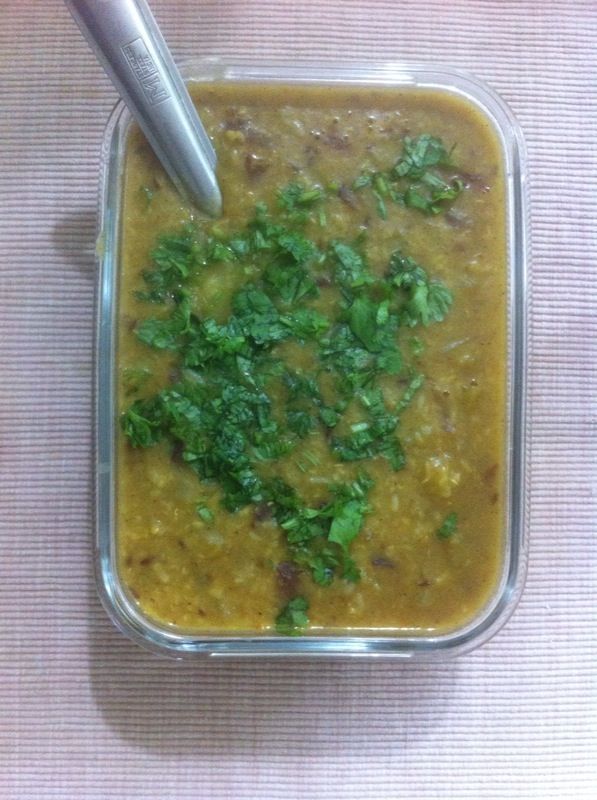
Mung beans and chana Dal

 Moong sabut       +          Chana dal

Moong chana 3

Mung Beans / Whole green gram, cooked with chana dal / gram dal

Hi friends! Nutritious, tasty combination and very commonly used in the Indian cuisine.

Servings: 6

Cook time: 25 minutes

Ingredients

  • 1/2 cup moong sabut /whole green gram
  • 1/2 cup Chana dal / Bengal gram dal
  • 1 tsp cumin seeds
  • 1/4 tsp hing/ asafetida
  • 2/3 tsp chilli powder
  • 1 tsp turmeric
  • 2 tsp powdered coriander seeds
  • 1 tsp salt
  • 2 tsp finely chopped ginger
  • 1 tbsp lime juice
  • 2 tbsp oil
  • 2 tbsp pure ghee
  • 500 ml water

 For seasoning

  • 2 Medium size onions finely chopped
  • 2 tsp fresh garlic paste
  • 1/2 tsp garam masala

Method:

Step 1.

Pick, clean and wash the dals very well, keep aside.

Step 2.

In a pressure cooker, put two table spoon oil in it, and heat, when heated put hing/ asafetida and wait till it turns light pink in colour. Add cumin seed/ geera, when it starts spluttering , put coriander powder, fry it for a few seconds, add dals , water, salt, ginger and turmeric, chili powder.

Step 3.

After the pressure is formed, reduce the heat and let it cook for twenty-five minutes. Switch off the heat. Keep to cool.

Step 4.

Heat the ghee in a pan, and add the onions. Fry till the onion turns golden add garam masala. Put the seasoning in the dal, bring to a boil, and then simmer for about 10 minutes. The consistency of the dal can be adjusted by increasing or decreasing water.

Step 5.

Add the, lime juice and mix well. Serve hot garnished with the coriander leaves.

Health Benefits of Mung Beans:

1. Can Help Lower High Cholesterol Levels and Protect Against Heart Disease

Mung beans have the ability to regulate cholesterol levels because their antioxidants act like potent free-radical scavengers, reversing damage done to blood vessels and lowering inflammation. Mung beans are a great addition to any anti-inflammatory diet thanks to their ability to keep arteries clear and to improve circulation.

2. Helps Lower High Blood Pressure

Mung beans nutrition include the ability to fight another significant cardiovascular disease risk factor: high blood pressure.

3. Contains Antioxidants That Fight Cancer Development

High levels of amino acids — oligosaccharides and polyphenols — in mung beans are thought to be the main contributors to their antioxidant power that can fight cancer development.

4. Can Help Prevent or Treat Type 2 Diabetes

Strong evidence exists that mung beans nutrition has a significant anti-diabetic effect and can naturally help prevent or treat cases of type 2 diabetes.

5. Provide a High Source of Protein

Mung beans nutrition includes a very impressive amount of protein for a plant, with about 20–24 percent of their chemical structure being amino acids (protein). Mung beans nutrition is also rich in other essential amino acids, including leucine, isoleucine and valine, which can be combined with other plant sources (like whole grains or some vegetables) to make a “complete protein.” Their highly absorbable protein content makes them a smart choice for vegans or vegetarians, especially considering how many other nutrients they add to someone’s diet.

6. Boosts Immunity and Protects Against Infections and Viruses

Mung beans nutrition contains a range of phytonutrients that are considered anti-microbial and anti-inflammatory, helping them to increase immunity and fight harmful bacteria, viruses, colds, rashes, irritations and more. Mung beans promote a healthy balance of bacteria within the digestive tract, which helps with nutrient absorption and immune defense.

Ref. https://draxe.com/mung-beans-nutrition/

Health benefits of mixed lentils / dals:

Dals are very commonly used in the Indian cuisine. It is hard to find an Indian household that does not stock up different types dals. As dals have to prepared on a daily basis, we need to have a lot of dals on board to maintain the variety. Besides dals are types of pulses that have many nutritional values. The health benefits of dals in general is that they are very rich in proteins.
Bengal Gram Dal Chana dal or Bengal gram dal is one of the richest vegan source of dietary proteins. It is also rich in trace minerals like copper, manganese etc. Having this dal helps keep diabetes at bay.
Urad Dal If its proteins you want from your meal, then opt for urad dal. This dal is one of the richest sources of proteins and Vitamin B.

Moong Dal Moong dal is a dieter friendly dal. This type of dal has minimal calorie and is a rich source of iron and potassium.

Ref: http://www.boldsky.com/health/nutrition/2013/ten-types-of-dals-their-health-benefits-035300.html#slide20023

Nick’s kitchen medical Disclaimer:

  • Nick’s kitchen is for Vegetarians. It sometimes provides education and support to individuals who want to become vegetarian, or move toward a more vegetarian diet.
  • Nick’s kitchen provides some information on vegetarian and vegan diets to the best of their knowledge and abilities.
  • Nick’s kitchen does not claim to be health care professional, nutritionist, nor does it claims to treat any illness through vegan or vegetarian diet.
  • If you have a medical condition,Nick’s kitchen recommend that you consult your health care professionals before changing your diet.
  • Any changes that you make to your diet, and the results of those changes, are your decision and your responsibility.



Mung dal with Lauki

Moong dal giyawali

       Mung dal with Lauki/bottle gourd

Hi friends! Mung dal with Lauki/bottle gourd is a delicious combination of lauki and lentils. It is a delicious Indian recipe served Indian cuisine.

Preparation Time : 10-15 minutes

Cooking time : 5-8 minutes

Servings : 6

Cuisine North Indian

Course Dals / lentils

Level Of Cooking Easy

Ingredients

  • 1 (500gms approx) bottle gourd small (lauki/Ghiya),peeled and cubed
  • 1 cup husked green gram dal (dhuli moong dal),soaked for 3-4 hours
  • 1 big size Onion (finely chopped)
  • 1 “piece Ginger/ adrak, finely grated
  • 1 tsp Cumin seeds/ geera
  • 2 tsp Coriander/ dry dhaniya powder
  • 1/4 tsp Asafetida
  • 1/2 tsp Turmeric
  • 1/2 tsp Red chili powder
  • 1 level tsp Salt / or Salt to taste
  • 750 ml water
  • 2 tbsp Olive Oil/ pure ghee
  • 2 tbsp fresh coriander leaves, finely chopped – (for garnishing)

Method

Step 1.

Wash well and soak the Moong dal in three glasses of water for 3-4 hours (same water is used while cooking the dal). keep aside.

Step 2.

Heat oil/ ghee in the pressure cooker, asafetida, when turns pink, add cumin seed, when cumin starts to splutters add coriander powder. Fry for few seconds (do not let it turn dark brown) .

Step 3.

Add the moong dal with three glasses of water to this seasoning. Add the lauki cubes, salt, turmeric powder, chili powder and grated ginger to it. Close the lid of the pressure cooker and cook till the full pressure is formed ( after the first whistle, switch of the heat). let it cool.

Step 4.

Heat ghee (clarified butter) in a thick bottom pan, fry onions till golden, put gram masala fry for a few seconds.

Step 5.

Add this seasoning to the dal and mix well. Garnish it with fresh finely chopped coriander leaves.

Step 6.

Serve hot with boiled rice, pulaows or geera rice and all the Indian breads.

Note: Moong dal is cooked in many different ways in India. This recipe with the goodness of lauki/ Ghiya/ bottle gourd is very delicious and a healthy recipe.

Health Benefits of Yellow Mung dal:

1.It is good source of protein and dietary fiber.

2.It is low in fat and rich in potassium ,calcium and B complex vitamins.

3.It is easy to digest and not like other pulses which are heavy for digestion.

4.Dietician always recommend to eat fibrous lentils at least three times a week.

5.The fiber in these lentils help to decrease high cholesterol.

6.Mostly this dal is cooked for sick persons in home as it is easily digestible.

 Possible health benefits of Bottle gourd /lauki/Ghiya:

In fact, traditional healers recommended consumption of this bottle gourd to treat various conditions. Here are some of its benefits you must know.

Aids digestion: People suffering from constipation should eat bottle gourd as it is high in fibre and helps clear the food stuck in your colon. Additionally, juice made out of bottle gourd also helps in the treatment of acidity as it is alkaline in nature [1].

Great for weight loss Bottle gourd is one of the best foods you can have if you want to lose weight as it is 96% water, and a 100g serving contains as little as 12 calories. The high fibre content will take care of your hunger, and keep you feeling full.

Helps treat urinary disorders Bottle gourd has a cooling effect on your body, and a glass of bottle gourd juice is a great diuretic that can be used to treat burning sensation while passing urine. This burning sensation is caused due to high levels of acid in the urine, which can be countered by the alkaline nature of bottle gourd juice.

Refreshes you during summers: Just like cucumber, bottle gourd too has a high amount of water which keeps you hydrated during summers. Drinking a glass of its juice will ensure that you do not face loss of sodium, fatigue or extreme thirst while you are out in the sun. This makes it great for people whose jobs require them to travel in daylight.

Prevents heart disease: Unhealthy lifestyles are leading to several cases of heart disease in urban India. So much so that, 70% of the urban population is at risk of heart disease due to wrong lifestyle choices like eating fried and processed foods, smoking, etc. Like a lot of fruits and vegetables, bottle gourd has zero cholesterol and is rich in vitamins like vitamin C and antioxidants making it good for your heart [3].

Reduces stress It is quite easy to feel stressed in today’s times, and unhealthy eating can only worsen the situation. Bottle gourd has a high water content has a cooling effect on your body which makes you feel better the very moment you take it. It also has diuretic, sedative and antibilious properties which makes your body feel better internally, and keeps stress at bay.

Ref. http://www.thehealthsite.com/fitness/health-benefits-lauki-dudhi-bottle-gourds-sa114/

Nick’s kitchen Disclaimer:

  • Nick’s kitchen is for Vegetarians. It sometimes provides education and support to individuals who want to become vegetarian, or move toward a more vegetarian diet.
  • Nick’s kitchen provides some information on vegetarian and vegan diets to the best of their knowledge and abilities.
  • Nick’s kitchen does not claim to be health care professional, nutritionist, nor does it claims to treat any illness through vegan or vegetarian diet.
  • If you have a medical condition, Nick’s kitchen recommend that you consult your health care professionals before changing your diet.
  • Any changes that you make to your diet, and the results of those changes, are your decision and your responsibility.


Kadhi


Kadhi 1           boiled rice

Preparation Time: 15 mins
Cooking Time: 30 mins
Serving : for  6

Ingredients:

For Pakoras

  • 1 1/2 cup besan /bengal gram flour
  • 2  medium onion/ 1 cup , finely chopped
  • 1 tablespoon Kasuri methi
  • 1/2 teaspoon carom seeds /ajwain
  • 1 tsp red chili powder
  • 1/2 level teaspoon baking powder
  • 1 level teaspoon salt / or salt to taste
  • oil for deep frying

For Kadhi:

  •  2 cup curd / yogurt
  • 1/2 cup besan /bengal gram flour
  • 1/2 teaspoon turmeric powder /haldi
  • 1 teaspoon red chilli powder
  • 2 teaspoon dry mango powder / amchoor
  • 1/2 tsp cumin/ geera powder ,roasted and powdered
  • 1 tsp salt/or to taste
  • 1 teaspoon ginger paste
  • 12 pods of Garlic
  • 1 cup finely chopped onion
  • 500 ml water

 For Tempering:

  •  2 tablespoon cooking oil
  • 1 teaspoon  fenugreek /methi seeds
  • 1/2 teaspoon cumin seeds/Jeera
  • 1/2 teaspoon mustard seeds

Method:

 For pakoras:

 Step 1.

Add little water gradually to the besan /bengal gram flour in a bowl and make a thick consistency batter. Add Kasuri methi leaves, finely chopped onions,  coriander powder, carom seeds/ ajwain, chili powder, baking powder, and salt to the batter mix well.

Step 2.

Heat oil in a kadai, drop spoon full of batter in the hot oil and deep fry  the pakoras till golden brown. Drain on an absorbent kitchen towel and keep aside.

For kadhi

Step 1,

Whisk or blend in a blender take , curd/ yogurt , besan /bengal gram flour, turmeric powder, chili powder, dry mango powder / amchoor and salt , blend it well, adding some water. Keep aside.

For tempering

Step 1.

Heat 2 tablespoon of oil in a deep heavy bottom pan. Add  cumin seeds when the seeds start crackling add  mustard seeds ,fenugreek seeds (don’t let fenugreek seeds over cook) Stir-fry for ½ minute. Add finely chopped onions, lightly fry the onions till translucent. add ginger garlic paste, Fry for few minutes.

Step 2.

For kadhi, add yogurt mixture to the tempering along with rest of the water and bring to a boil and simmer on low heat for about 15 minutes, stirring occasionally.

Step 3.

Add  fried pakoras and continue to simmer for another 4-5 minutes.

Healthy and delicious dish , serve hot with boiled rice, onion salad and papad.


Health benefits of Gram flour / Besan:

1. Lowers diabetes Besan is known to have very low levels of glycemic in it, which is great for those who have high diabetes. One can use the flour to make parathas and rotis, or replace the wheat flour to make desired dishes too.

2. Happy heart- Besan assures you with a happy heart, since it has high soluble fibre in it, which helps the heart stay strong and healthy for a very long time to come. Even the most reputed heart surgeons and specialists recommend the use of besan over any other flour for the heart, say experts

3. Lose weight now- Since besan has low glycemic index, the calorie count would be low too, which is why fitness freaks and experts swear by the consumption of besan, smoothie of besan is known as SATTU in India.

4. Fights allergies- Besan doesn’t have gluten in it, which is grain and especially wonderful for those who have allergies to gluten induced foods. Besan flour is highly nutritious and helps the body with immense benefits, especially when fighting allergies of any kinds.

5. Gluten free- Those who suffer from celiac ailments cannot have gluten, which is a protein. Gluten is found in barley and wheat extensively, but not in besan. Besan helps the immune system stay strong in the process, and the patient would be able to absorb all the nutrients as well as stay well nourished too.

6. No more anaemia to worry of- The flour of besan helps with fatigue, weight loss and even iron deficiency in the body, and we all know  when someone has low iron content in the body, they suffer from anaemia.

7. Besan is also good for those who suffer from dermatitis herpetiformis, autoimmune disorders, sclerosis, autism, ADHD and more.

8. One can use besan for the skin with a pinch of turmeric powder and milk. The paste can be applied on the visible parts of the face and neck and left for ten minutes to dry. This is a pack which would help exfoliate the skin and brings back the moisturising effects too. Besan flour helps tighten the skin, gives it a glow and brings back elasticity too

9. As a body scrub, the flour of besan has been used time again since our grandmothers young hood days. To remove spots, back acne, body marks and oiliness of the body, try using the flour as a pack with milk and turmeric twice a week. This is a pack which would remove the tan and keep the skin healthy and fresh.

More benefits:

a. Besan flour when mixed with an egg or even with any essential oil and milk, and applied on the hair is a good hair pack. This would be a hair pack which rests on your hair for half an hour and when done twice a week, would bring back the bounce, shine and lustre too

b. Besan flour has plenty of vitamins and folate in it, which is mandatory for our bodies to have. It is these vitamins and minerals which helps with the normalcy of body functioning, and the growth or development of the human body too.

c. Expectant mothers or when a woman plans pregnancy, besan flour can actually be good for consumption, since it has a lot of B6 and thiamine in it. The latter helps with energising the body, and the former helps with the RBC synthesis too.

d. Minerals found in besan would be of great help for the body, especially the presence of phosphorus and magnesium. Both the elements are known for their importance and oxy transmitters and as antioxidants too. They also help with the collagen production and the relaxation of body muscles too.

e. Blood pressure can be regulated when you consume besan flour, say experts.

f. Bone strengthening too can be achieved when you consume besan flour

Ref.http://stylesatlife.com/articles/besan-benefits/#

Nick’s kitchen medical Disclaimer:

  • Nick’s kitchen is for Vegetarians. It sometimes provides education and support to individuals who want to become vegetarian, or move toward a more vegetarian diet.
  • Nick’s kitchen provides some information on vegetarian and vegan diets to the best of their knowledge and abilities.
  • Nick’s kitchen does not claim to be health care professional, nutritionist, nor does it claims to treat any illness through vegan or vegetarian diet.
  • If you have a medical condition,Nick’s kitchen recommend that you consult your health care professionals before changing your diet.
  • Any changes that you make to your diet, and the results of those changes, are your decision and your responsibility.


Kadhai Bhindi

Bhindi payaz

Cooking Time: 15-25 minutes

Course : Main, Vegetables

Cuisine : Indian, North Indian

Servings: 6

Ingredients:

  • 250 gms Bhindi /Okra /Lady’s finger
  • 3 medium size onions
  • 1 tbsp Coriander powder
  • 1 tsp cumin roasted and powdered
  • 1/2 tsp turmeric powder
  • 1/2 tsp red chili powder
  • 1 level tsp Salt / or salt to taste

Method:

Step 1.

Wash and drain the Bhindi /Okra /Lady’s finger. Discard the crown of the lower ends of the ladyfingers and cut into large pieces.

Step 2.

Peel, wash and chop the onions in to big quartered chunks, keep aside.

Step 3.

Heat oil in a Kadhai/ wok and put cumin seeds. when the cumin seeds start crackling, add chopped onions to it.  Fry the onions till transparent.

Step 4.

Add Bhindi /Okra /Lady’s finger to the fried onions. Add salt, coriander powder, cumin powder, turmeric powder, and red chili powder, mix well.

Step 5.

Cook the Bhindi /Okra /Lady’s finger without covering for first ten minutes. Tossing it at regular intervals

Step 6.

Cover with a lid and cook the Bhindi /Okra /Lady’s finger for 8-10 minutes on  low  flame. Serve hot.

Health benefits of Okra/ Bhindi :

Helps control diabetes:  Okra is packed with dietary fibre that helps stabilisation of blood sugar levels by regulation of the rate of absorption of sugar from the digestive tract. The anti-diabetic property of okra is also attributed to its ability of inhibition of enzymes metabolising carbohydrates, enhancement of production of insulin, regeneration of beta cell of the pancreas and increased secretion of insulin .

 It prevents heart disease: People are often affected with heart disease due to high levels of cholesterol in their blood. Pectin, a soluble fiber present in lady’s finger helps lower this cholesterol and thus is helpful in preventing heart disease. Okra is also fairly rich in antioxidant compounds like poly phenols. These compounds, especially quercetin, helps prevent oxidation of cholesterol and blocking of arteries, preventing heart disease development.

 It helps you lose weight: People who aspire to lose weight can eat lady’s finger to facilitate weight loss. The vegetable is extremely low in calories, with a 100g serving containing just 33 calories. Here are some other foods that can help you lose weight. 

 It improves your immunity: Lady’s finger is rich in vitamin C with a 100g serving meeting approximately 38% of your daily requirement of the nutrient. Vitamin C is a vital nutrient that helps improves your immunity and protects you from several diseases and infections. Alternatively, you could also eat orange and amla to boost your vitamin C intake as both of them are extremely rich sources of the nutrient.

 It improves your mental function: Folate or Vitamin B9 is another critical nutrient present in lady’s finger. This nutrient is required by your brain to function properly as it aids in the production of several important compounds.

It is good for pregnant women: Women who are pregnant will benefit from the consumption of lady’s finger as it contains Vitamin B9 or folic acid which can help prevent neurological birth defects in their newborn.

 It prevents cancer: According to a research published in Nutrition Journal, lady’s finger has a higher concentration of antioxidants than most vegetables. These antioxidants prevent damage to your cells from free radicals, and inhibit the growth of cancer cells in your body.  Additionally, it contains some amount of insoluble fibre which promotes a healthy digestive tract and lowers your risk of colorectal cancer. Pectin present in the vegetable has been shown to prevent proliferation of melanoma cells in vitro .

Ref.http://www.thehealthsite.com/fitness/health-benefits-of-ladys-finger-or-bhindi/

Nick’s kitchen medical Disclaimer:

  • Nick’s kitchen is for Vegetarians. It sometimes provides education and support to individuals who want to become vegetarian, or move toward a more vegetarian diet.
  • Nick’s kitchen provides some information on vegetarian and vegan diets to the best of their knowledge and abilities.
  • Nick’s kitchen does not claim to be health care professional, nutritionist, nor does it claims to treat any illness through vegan or vegetarian diet.
  • If you have a medical condition,Nick’s kitchen recommend that you consult your health care professionals before changing your diet.
  • Any changes that you make to your diet, and the results of those changes, are your decision and your responsibility.

Chote Baingan Bharwaan / Egg Plant/Baby Brinjal Stuffed

Brinjals stuffed

The chote baigans / baby brinjals are slit and stuffed with dry spices /masala and then cooked on slow fire in a rich and spicy curry. It is a delicious North India recipe.

Prep Time: 15 minutes

Cook Time: 30 minutes

Cuisine : North Indian

Serves: 4-5

Ingredients:

  • 8-10 small Brinjals /Eggplants (chote baingan)
  • 2 Large Onion
  • 2 large tomatoes (chopped and pureed)_
  • 1 tsp Ginger paste
  • 1 tsp Garlic paste
  • 2/3 tsp red chili powder
  • 2/3 tsp turmeric/Haldi powder
  • 1 1/2 tbsp coriander/dhania powder
  • 1 tsp dry mango powder or amchoor
  • 1 tsp cumin (roasted and powdered cumin seeds or jeera)
  • 2-3 tbsp olive oil/ or oil of your choice
  • 2/3 tsp salt/ or salt to taste

Method:

Step 1.

Wash and slit the brinjals into four parts, while keeping them together at the stalk. Keep them aside.

Step 2.

Put all the dry ingredients in a bowl and mix well.

Step 3.

Fill the split eggplants with the mixed dry spices.

Step 4.

Heat olive oil in a pan, add finely chopped onions and sauté them till golden. Add tomato puree and ginger \ garlic paste cook for few more minutes.

Step 5.

Add stuffed brinjals in to the onion, tomato mix , cover and cook. All the leftover dry masala to be added at this point. Keep turning the brinjals and cook well from all sides on slow fire.When brinjals are cooked from all sides, cook for another five more minutes on a low flame for blending well.

Step 6.

Once ready garnish with fresh Coriander leaves and serve hot with  tandoori Roti , chapatti or Parantha (all Indian breads).

Hope you would give it a try , it is a delicious side dish with the main course & let me know how you liked it !

Baigan ka Bhurtha


Bhartha NG

It is a simple Punjabi baigan bharta recipe without the use of many masalas and spices. Less or no spices help in retaining a smoky aroma and flavor of the roasted baigan .

Preparation time: 30 minutes

Cuisine: Punjabi / North Indian

Cooking time: 30 minutes (slow fire cooking)

Serves: 4 people

 Ingredients :

  • 1 Brinjal / Aubergine / eggplant / Baigan(large, seedless, fresh)
  • 3 Onions (large, finely chopped)
  • 2 Tomatoes (finely chopped)
  • 7-8 cloves of garlic/ lahsoon (finely chopped)
  • 1″ piece of ginger/ adrak finely grated
  • ½ tsp Red chili powder
  • 1 green chili (finely chopped)
  • 1 level teaspoon salt
  • 3 tbsp Olive Oil
  • 3 tbsp finely chopped green coriander leaves

Method:

Step 1.

Wash the baigan (eggplant or aubergine) with water. Dry with a kitchen napkin. Apply some oil on the baigan and keep it for roasting on an open flame. Keep it turning on the fire after couple of minutes such that the baigan gets roasted on all sides completely. When soft and well roasted from all sides, remove from fire & soak in cold water for removing the skin.

Step 2.

Peel the skin of the roasted baigan. Keep it on the chopping board. Cut the stem of the baigan. Mash the roasted brinjals with a fork. keep aside.

Step 3.

When the baigan is getting roasted, finely chop the onions and tomatoes and keep aside in two separate bowls.

Step 4.

In a kadai/ wok or heavy bottom pan heat up the oil.  Add the onions, fry the onions till golden. Add the ginger, garlic and sauté for few minutes.

Step 5.

Add the mashed brinjal, tomatoes cover and cook for some more time till tomatoes are cooked and well blended with mashed brinjal, onions. Add, salt, chili powder and mix well.

Step 6.

Take out the bhrtha in a serving bowl. Just before serving garnish with fresh coriander. Serve hot with tandoori roti, chapatti, paratha, etc.

Variation: One cup of lightly salted boiled shelled peas can also be used for garnishing along with chopped coriander leaves.

Arbi/Colocasia Curry

DSC01938

Taro vegetable or Arbi/ Colocasia as we better know it, originates from Malaysia and India, where it grows wild in wet or dry places. The taro leaves are heart shaped with white roots that are nutty in flavour. It can cause skin irritation when peeling. Taro is also known as dasheen,  esculenta . It has many healing properties that are useful to get rid of many diseases.

Serving: 4-5

Ingredients :

  • 250 gms Arbi /Colocasia, boiled, peeled
  • 2 medium size onions
  • 1/2 tsp Chilli powder/or to taste
  • 15 cloves of garlic, crushed in to a paste
  • 1 tsp Ginger paste/ 1″ ginger piece grated
  • 1 1/2 tsp Dhania /coriander powder
  • 1/2 tsp jeera /cumin seeds
  • 1 cup curd /yogurt
  • 2 tbsp Besan / Gram flour
  • 3 cups water
  • Oil for deep frying
  • 2 tbsp finely chopped Coriander leaves for garnishing

Method:

Step 1.

Cut boiled and peeled arbi in to big pieces. Keep aside for deep frying.

Step 2.

Heat oil and deep fry arbi pieces till golden. Keep aside.

Step 3.

Finely chop onions and steam, cool and grind into a paste.

Step 4.

Take a deep heavy bottom pan, put 2 tablespoons oil and put the onion paste into it.

Step 5.

Sauté the onion paste for a few minutes, see that it’s color doesn’t change. Add ginger, garlic paste fry for few minutes. Add salt, turmeric, chili powder and coriander powder to the masala and fry for a few minutes more.

Step 6.

Take besan in a small bowl add three table spoons of water , mix well to make a paste add  it to beaten curd  mix well.

Step 7.

Add  this mixture and water  to the fried masala, bring it to a boil.

Step 8.

Simmer over low heat till thickened a bit ,about 10- 15 minutes, stirring fairly frequently. Add the fried arbi pieces, simmer for 5-8 minutes more .

Step 9.

Garnish with the coriander leaves  and serve hot.

Health benefits of Arbi/ Colocasia/Taro :

1. Reduces Fatigue:

Arbi/ Colocasia/Taro is mainly consumed by athletes for long lasting energy. This is because it contains a low glycemic index which is good for athletes.

2. Weight loss:

Arbi/ Colocasia/Taro can prove to be very beneficial for the ones who want to lose weight, since this has very a low caloric content. One cup of cooked taro can give you 187 calories.

3. Digestion:

This root contains a good amount of fiber that is useful for the digestive process. This gives you a feeling of being full for a longer time even after a small meal. Thus, eating taro roots can be useful to lose pounds and maintain your weight, since it has low calories and high fiber.

 4. Clear stomach:

Foods that contains high amount of fiber are also known to boost the digestive process. This helps to eliminate the wastes from the body and prevent re-occurrence.

[ Read: Iodine Benefits ]

5. Heart health:

One cup of taro has 0.1g fat and cholesterol, which helps to prevent hardening of the arteries. You can consume it several times without worrying about gaining weight or other health problems related to fatty foods like heart or kidney diseases. Taro roots can give 19% of the daily required Vitamin E that is required to prevent the risks of a heart attack.

6. Hypertension:

Hypertension or high blood pressure is mostly observed in the mid aged group of individuals which can be kept in control by consuming foods that are low in fat and sodium. One cup of taro gives only 20 mg of sodium that helps to maintain kidney problems and fluid retention.

7. Antioxidant:

Arbi/ Colocasia/Taro is one of the best sources of Vitamin C, since one cup of taro can give 11% of your daily requirement of Vitamin C. This acts as an antioxidant to remove toxins from your body and detoxifies it.

8. Immunity:

Vitamin C in taro is useful in regenerative functions and boosts the immunity of the body.

[ Read: Geranium Oil ]

9. Low Glycaemia Index Food:

Arbi/ Colocasia/Taro has a low glycaemia index. This helps to break down glucose in the liver slowly and aids in weight loss and lowers blood sugar. This is also useful for hypoglycaemia as this provides long lasting energy.

10. Aging process:

This is a very nutritious food that contains many Vitamins – A, C, B, minerals like copper, manganese, zinc, magnesium, calcium, iron, selenium, potassium, beta-carotene and cryptoxanthin. All these are good antioxidants that are useful to protect against diseases and slow down the aging process. This also contains protein and is gluten-free, cholesterol-free and low in sodium too.

11. Cancer:

Arbi/ Colocasia/Taro is very high in Vitamin A that has more than 160% of your daily requirement of Vitamin A. The leaves and roots of taro contain polyphenols which are great antioxidants to protect even from cancer.

12. Muscle health:

Arbi/ Colocasia/Taro contains Vitamin E and magnesium that can protect you from cancer and heart disease. This also helps to maintain your blood pressure and is helpful for fluid regulation. Taro roots contain magnesium which is vital for muscle, bone and nerve health.

[ Read: Iodine Benefits ]

13. Amino Acids and Omega-3 oils:

Taro root has more than 17 different amino acids that are essential to maintain good health. This also has Omega 3 and 6 oils which are required for maintaining cardiovascular health, cancer prevention, and other diseases.

14. Cooking:

Arbi/ Colocasia/Taro and leaves both have great flavours. They can be cooked and impart a nutty flavour, whereas the leaves taste like cabbage. Taro roots are used to prepare curries, fried for chips, cakes, roasted, boiled, steamed, pureed etc.

Ref.http://www.stylecraze.com/articles/benefits-of-taro-vegetable/

Nick’s kitchen medical Disclaimer:

  • Nick’s kitchen is for Vegetarians. It sometimes provides education and support to individuals who want to become vegetarian, or move toward a more vegetarian diet.
  • Nick’s kitchen provides some information on vegetarian and vegan diets to the best of their knowledge and abilities.
  • Nick’s kitchen does not claim to be health care professional, nutritionist, nor does it claims to treat any illness through vegan or vegetarian diet.
  • If you have a medical condition,Nick’s kitchen recommend that you consult your health care professionals before changing your diet.
  • Any changes that you make to your diet, and the results of those changes, are your decision and your responsibility.


Lobia Phali/Green Black-Eyed Bean with Potatoes

Lobia phali / green Black-Eyed Bean with potatoes

Lobiya ki phali

Preparation Time: 15 mins
Cooking Time: 20 mins
Makes4 servings

Ingredients:

200 grams fresh cluster beans (Lobia beans /phali)

2 medium size onions (finely chopped)

2 medium size potatoes (cut into small cubes)

1 pinch asafetida (heeng)

½ tsp cumin seeds (jeera)

1/2 tsp dried mango powder (amchoor)

1/2 tsp red chilli powder

1/2 tsp turmeric powder (haldi)

1 tbsp coriander powder (dhaniya)

1/2 tsp level salt / or as per taste

1 tsp ginger paste (adrak) or 1 inch piece of ginger grated

3 tbsp oil

1/4 cup water

Method:

  1. Wash well the lobia beans/ phali , cut and remove both ends of each bean. Hold a bunch of dressed beans on the chopping board and cut the beans in to small pieces. Keep them aside.
  1. Peel the potatoes and wash them. Cut the potatoes in small cubes.
  1. Heat a thick bottom pan with two table spoons of oil. Once the oil gets hot, add asafetida fry a bit. When it is pink add cumin seeds.
  1. When cumin crackles add finely chopped onions. Fry the onions till golden add turmeric powder, coriander powder, and ginger paste.
  1. Mix well till the spices get a little fried. Now add chopped potatoes and beans to the pan.
  1. Add salt, amchoor and red chili powder.
  1. Keep stirring the dish for few minutes till all the spices gets mixed into the beans. Now add 1/4 cup water to the pan.
  1. Cover the pan and cook it on low flame till potatoes are cooked and soft to touch.
  1. Stir in the mango powder and garam masala, cook for two minutes. and switch off the heat.
  1. Serve hot with chapattis or boiled rice.

Note: We must cook the vegetable on slow heat and keep checking and stirring it after few minutes in between so that beans and potatoes get cooked evenly.

Bitter Gourd stuffed

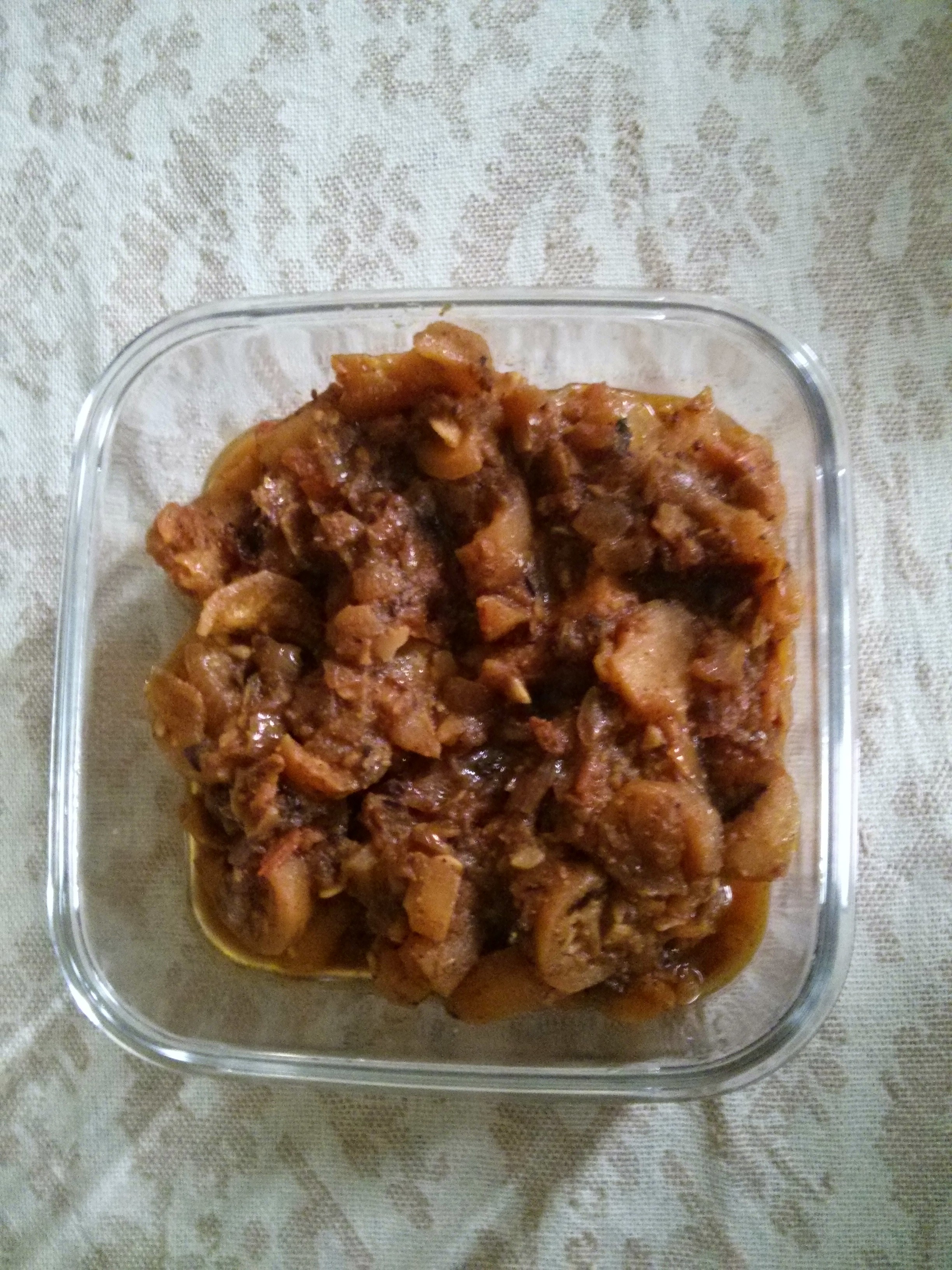
Stuffed Karelas/ Bitter Gourd

Karela 3    Bitter Gourd

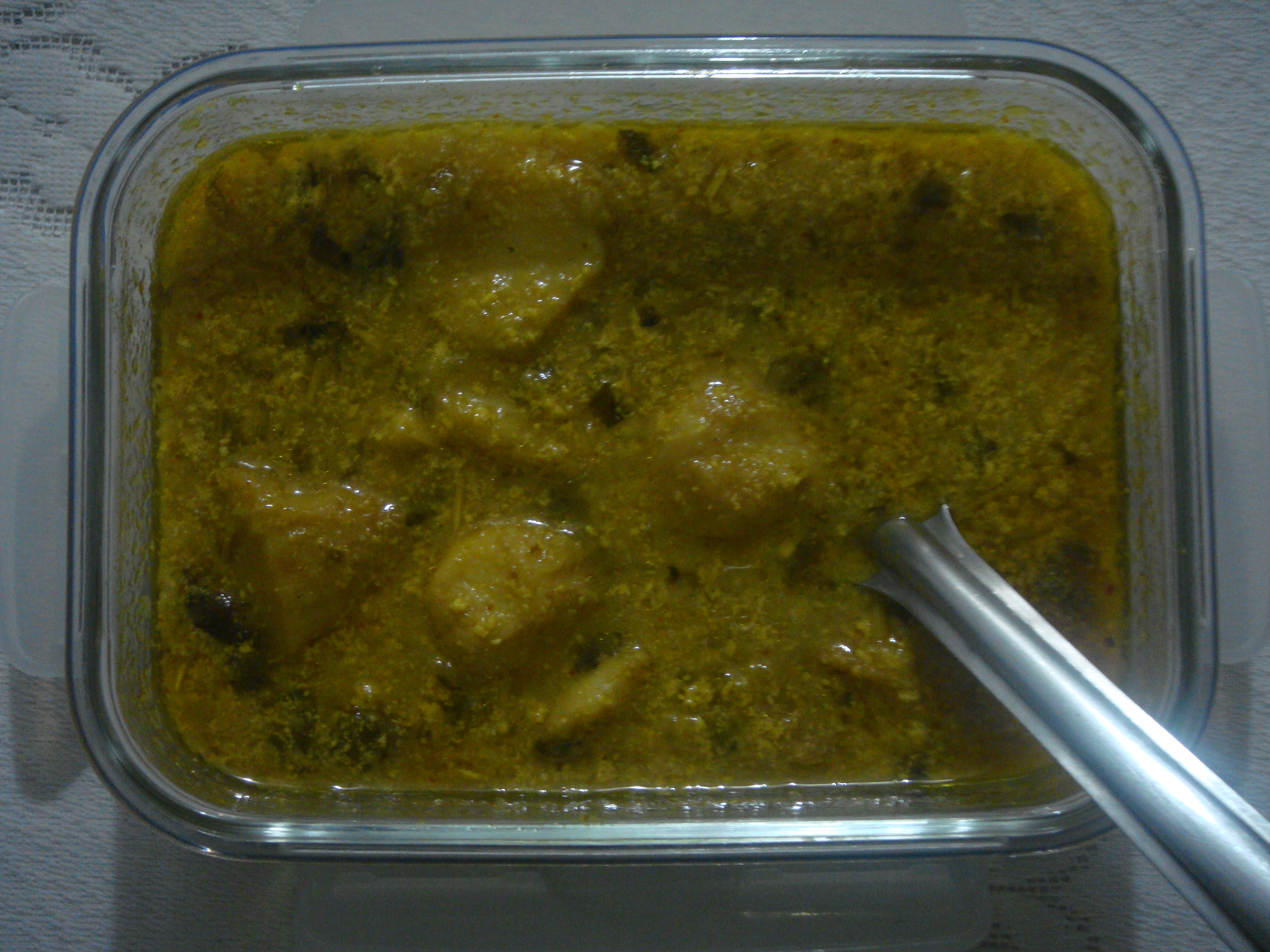
Good amount of Onions are very essential for this delicious dish!

Ingredients:

  • 8- 9 medium size tender Bitter Gourd /karelas
  • 8-9 medium size onions /cut into big pieces
  • 2 big size Tomatoes,finely chopped

For filling of Karelas :

  • 3 tbsp coriander powder
  • 1 tsp Geera /cumin seed, roasted and powdered
  • 2/3 tsp Turmeric powder
  • 1 1/2 tbsp Saunf /Fennel seeds, powdered
  • 2 tsp Amchoor /Dry Mango powder
  • 2/3 tsp Red chili powder
  • 1 1/2 tsp low sodium Salt / or salt to taste
  • 3 tbsp Oil, for best results mustard oil.( Other oils like Olive oil/canola oil etc. can be used too)

Method:

Step1.

wash the bitter gourd / Karelas well, remove the two ends of the bitter gourd / Karelas gently and slit them across from one end to the other (without removing the inner pulp/seeds or scraping the outer skin!) keep aside.

Step2.

In a small mixing bowl put coriander powder, geera, turmeric, chili, Saunf powder, amchoor and salt mix it well. Fill in / stuff the bitter gourd / Karelas with these powdered spices mixture .

Step 3.

Heat the oil in a heavy bottom pan Sauté the onions lightly.

Step 4.

Add Stuffed bitter gourd / Karelas, cook on slow fire till bitter gourd / Karelas are light in colour.

Step 5.

Add cut tomatoes to the Kerala, onion mixture and Cook on slow fire till bitter gourd / Karelas is well cooked.

Step 6.

Serve hot.

Health benefits of Karelas / Bitter gourd:

Many of us do not like it for its bitter taste. But it is a blood purifier. The Bitter- guard prevents and treats from Type II diabetes which is insulin independent diabetes. It helps to low down your blood sugar level as it helps to reduce body weight. Kerala have 16 calories per cup, and leafy tips have 14 calories. Kerala is high in water content (90%) and water is calorie-free.

The more water you intake the more your appetite is suppressed as you feel fuller in your tummy. Kerala has 2.6 g dietary fiber, and as it takes a longer time to break down in the stomach you feel less hungry.  You think the bitterness of the Kerala is a turn off? Than try soaking it in chilled saltwater for a few hours before eating it or cooking it. One cup of Kerala has 70 per cent of the daily value for vitamin C, and at least 9 per cent of the daily value for vitamin A. Kerala is sodium-free.

Ref.http://chennaionline.com/Health/Articles/20135908115913/Kerala–health-benefits.col

Tinda Aloo Masaledar


image

Ingredients

  • 200 gms Tindas washed and cut into thick slices
  • 2 small potatoes cut into thick slices
  • 1 medium sized onion finely chopped
  • 1 tomato finely chopped
  • 1/2 tsp ginger paste
  • 1/2 tsp garlic paste
  • 1/2 tsp Jeera
  • 1/4 tsp red chilli powder
  • 1/2 tsp turmeric powder
  • 1 tsp coriander powder
  • 1/2 tsp garam masalas
  • 2/3 tsp Salt / or salt to taste
  • 1/2 a cup of water

Few Coriander leaves for garnishing

Method:

  1. Heat oil in a thick bottom pan, add jeera seeds, when the jeera seeds start spluttering , add the onion , saute till they are golden .
  2. Add ginger-garlic paste , fry for a few minutes add all the spices and fry for a few seconds .
  3. Add the chopped tomatoes and let it cook till they are well cooked & soft
  4. Now add the tindas, potato pieces, a little water and cover the pan with a lid .
  5. Cook on slow fire till they are soft.
  6. Garnish with coriander leaves and serve hot with chapattis, rice etc.What is Tinda:The tinda and plural called tinday (in Urdu ٹنڈه or ٹنڈے), also called Indian round gourd or apple gourd or Indian Baby Pumpkin, is a squash-like cucurbit grown for its immature fruit, a vegetable especially popular in South Asia. It is the only member of the genus Praecitrullus. “tinda” is also called “tindsi” in rajasthan. In Marathi, it is called Dhemase ढेमसे. In Sindhi language, it is called Meha ميها.

Rajma Curry

Rajma NG 1Rajma curry/ Red kidney beans curry

It is a high protein, nutritious Rajma/red kidney beans preparation. Tastes very good with boiled / steamed rice.

Preparation Time : Soaking over night +15-20 minutes

Cooking time :30- 40  minutes

Servings : 5-6

Main Ingredients: Rajma /Red kidney beans, tomatoes and Onions

Cuisine: North Indian , Punjabi

Course: Main,Dals and currys

Level Of Cooking: Medium

Ingredients:

  • 1 cup Rajma/red kidney beans (soaked overnight)
  • 2 medium Onions,finely chopped
  • 4 medium size Tomatoes,cut and pureed
  • 1 tablespoon Coriander powder
  • 1tsp Red chilli powder
  • 1/2 tsp Turmeric powder
  • 1/2 tsp Cumin seeds, roasted and powdered
  • 1 tsp cumin seeds
  • 3 cloves, powdered
  • 2 Black cardamom seeds powdered
  • 1/4 tsp cinnamon powder or / 1″ stick of cinnamon
  • 1/2 tsp Garam masala powder
  • 11/2 level tsp Salt or / salt to taste
  • 2 Bay leaves
  • 1 inch piece Ginger ,grated
  • 15 Garlic cloves,finely crushed
  • 3 tablespoons Olive oil
  • 2 tbsp fresh coriander leaves, finely chopped, for garnishing

Method:

Step 1.

On a full flame place the pressure cooker on the stove with Rajma/red kidney beans and three glasses of water, chopped onions and salt. The moment pressure is formed, reduce to low flame, cook for twenty five minutes. Switch off the stove, let the pressure cooker cool to room temperature. Open the lid and check, Rajma/red kidney beans will be totally cooked and soft.

Step 2.

Heat oil in a deep pan and put cumin seeds, when it starts to crackle,add bay leaves, powdered cloves,cinnamon and black cardamom seeds, saute for a few seconds, add coriander powder, red chilli powder and turmeric powder. Add crushed garlic cloves, grated ginger, tomato puree and saute for a few minutes more. Keep stirring on slow flame and continue to cook till the oil surfaces on the masala.

Step 3.

Add cooked Rajma/red kidney beans to the masala and mix. Adjust salt and add garam masala powder. Lower the heat and simmer for about fifteen to twenty minutes on low heat.

Step 4.

Garnish with finely chopped coriander leaves.Serve hot with boiled/ steamed rice, pulaos ,biryanis or with any Indian bread of your choice.

Health benefits of Rajma/red kidney beans:

 Kidney beans, also known as rajma, is a well known pulse that is extensively used all over the world in the preparation of variety of dishes, particularly in rice, curries, salads and toppings. Mexican foods that are popular all over the Globe. And kidney beans is the main component that is used in preparing the dishes. Tacos, Mexican chaat and Mexican Bean Hotpot are few famous dishes that are prepared using kidney beans or rajma. However, many people dread eating kidney beans as it is considered to be fattening or is gassy. However, there are many health benefits of kidney beans that we need to know. The health benefits of kidney beans are not just for a part of the body but improves the overall health of our body. The benefits of kidney beans definitely makes us include this pulse in our daily diet.
Health Benefits Of Rajma/red kidney beans:
Provides Energy: Rajma/red kidney beans boosts our energy as it is high in iron content. It contains high amount of iron which is the main source that is required for increasing body metabolism and energy. It also helps in the circulation of oxygen throughout the body.
Calorie count: The amount of calorie found in Rajma/red kidney beans is moderate and can be eaten by all the age group.
Adding kidney beans to a salad or low calorie soup during lunch will be a good choice. At the same time, for those who want to maintain a consistent weight can have rajma or kidney beans.
Maintains Blood Sugar: Rajma is a well known fiber rich pulse. These fibers in rajma decreases the metabolism rate of the carbohydrate content in the beans.
Good For Brain: This pulse offers outstanding benefits for brain. It contains high amount of vitamin K which provides essential nutrition for both brain and nervous system.
Kidney beans are also a good source of vitamin B, which is essential for brain cells. It nourishes the brain nerves and cells which prevents age related disease like Alzheimer’s.
Improves bowel movements: The fiber present in kidney beans helps in maintaining healthy bowel movements. If it is eaten in the right quantity, it helps in cleansing the digestive tract. Regular bowel movements are associated with a lower risk of colon cancer.
Cardiovascular Benefits: High magnesium content and fiber in kidney beans is responsible for lowering bad cholesterol levels. High magnesium level found in kidney beans helps the body fight diseases associated with the risk of stroke, heart attack, and peripheral vascular disease. It also helps in having a healthy cardiovascular system.
These are some of the major health benefits of kidney beans. Add them in your daily diet as it keeps you healthy in the long run.

Nick’s kitchen medical Disclaimer:

  • Nick’s kitchen is for Vegetarians. It sometimes provides education and support to individuals who want to become vegetarian, or move toward a more vegetarian diet.
  • Nick’s kitchen provides some information on vegetarian and vegan diets to the best of their knowledge and abilities.
  • Nick’s kitchen does not claim to be health care professional, nutritionist, nor does it claims to treat any illness through vegan or vegetarian diet.
  • If you have a medical condition,Nick’s kitchen recommend that you consult your health care professionals before changing your diet.
  • Any changes that you make to your diet, and the results of those changes, are your decision and your responsibility.

Chole/Chickpeas curry

imageChole/ Chick peas curry

Main Name: Chickpea
Biological Name: Cicer arietinum
Hindi Name: Chana, Kabuli Chana

Names in other Indian languages: Kothu kadalai (Tamil), Kadala (Malayalam), Sanagalu (Telugu), Chana (Gujarati), Chola (Bengali), Harbara (Marathi), Buta (Oriya), Chole (Punjabi), Chana sabut (Urdu)

A famous Punjabi / North Indian preparation of chick peas can be enjoyed with any Indian bread of your choice.

Preparation Time : Over night soaking

Cooking time : 20-25 minutes (after the full pressure, on low flame 20-25 minutes)

Servings : 4- 6

Cuisine: Indian / North Indian /Punjabi

Course:Main

Level Of Cooking: Medium

Ingredients:

  • 1 cup Chickpeas (kabuli chana)
  • 2-3 tbsp Olive oil
  • 2 big size onions (cut into quarter pieces)
  • 1 tsp Carom seeds/ Ajwain
  • 1 1/2 tbsp Coriander powder
  • 1 tbsp Cumin powder  (Cumin roasted and powdered)
  • 1 tsp Red chilli powder
  • 1 level tsp Salt  or / to taste
  • 1 tsp Garam masala powder
  • 1 tbsp Tamarind pulp or/ Dry mango/ or amchur powder 1 tablespoon / or seeded tamarind small marble size soaked and pulp taken out
  • 1 green chili ,slit 1 (optional)
  • 2 inch Ginger piece,cut into thin strips or grated

Method:

Step 1.

Wash chanas well  and Soak for at least seven-eight  hours  in  500 ml of water . Retaining the same water,add salt to the chana and cook in a pressure cooker till done ( 20-25 minutes after the pressure is formed in the pressure cooker).

Step 2.

Put the quartered onions in the pressure cooker add 1/4 cup of water. Pressure cook till the pressure is formed, switch off the heat. Cool and grind into a paste.

Step 3.

Heat the oil in a deep pan, put ajwain, when it splutters, add onion paste . Sauté for 3-4 minutes and add coriander powder, cumin powder and red chilli powder,tamarind paste (or dry mango powder) Sauté again. Add boiled chanas, cook on low flame for 10-15 minutes .

Step 4.

Add garam masala powder, mix well, cook for few minutes more.

Step 5.

Garnish with coriander leaves, green chillies, tomato slices , fried potato pieces and finely cut ginger strips and serve hot with puri, bhatures etc.

Note: Bundi raita compliments chole.

Health Benefits of Chickpeas:
  • Rich in both types of fiber, soluble and insoluble, chickpeas escort the trapped bile acids out of the body and lower cholesterol levels, thereby contributing to cardiovascular health.
  • The insoluble fiber content in chickpeas helps in preventing digestive disorders, like irritable bowel syndrome and diverticulosis; hence, promoting positive digestive health.
  • With folate and magnesium in high amounts, chickpeas protect the body from cardiovascular diseases. Folate reduces the levels of the amino acid, homocysteine which causes damage to the lining of arteries and increases the risk of blood vessel blockages.
  • With a rich supply of soluble fiber, chickpeas help in balancing blood sugar levels; thus, providing support to diabetic patients suffering from highs and lows of blood sugar levels.
  • The high fiber content in chickpeas induces feelings of satiety, thereby cutting down the intake of unwanted calories and keeping your appetite under control.
  • An excellent source of the trace mineral manganese, chickpea boosts production of energy and defends against several diseases.
  • Molybdenum is a mineral and an antioxidant important for stimulating the body’s mechanism for reducing symptoms of energy, helping with impotency in men, fighting against tooth decay and irritability, and preventing anemia. Molybdenum is found in chickpeas in abundance.
  • Chickpeas contain phytochemicals called saponins which are highly beneficial for the health of women. They act as antioxidants, providing protection against osteoporosis, lowering the risk of breast cancer, and minimizing hot flushes in post menopausal women.
  • Chickpeas help in meeting your daily iron requirements.  The deficiency of which reduces the delivery of oxygen throughout the body, resulting in feelings of weakness and tiredness, difficulties in concentration, and increasing the risk of infections.
  • A good source of iron, chickpeas also help with the proper functioning of the human system and preventing conditions, like anemia, weakness, hair loss, headaches, and other critical health concerns.
  • Regular consumption of folate is important for the production and maintenance of new cells, particularly during periods of rapid growth, like during pregnancy and infancy. Women, who consume adequate amounts of folate during their childbearing years, can reduce their risk of delivering babies with a neutral tube defect.
  • Enriched with the amino acid tryptophan, chickpeas are a good source of serotonin which regulates fluctuating moods and sleeping disorders. Eating chickpeas before bedtime leads to calmness and induces a good night’s sleep.

Ref.http://recipeclout.india-server.com/chickpeas.html

Nick’s kitchen medical Disclaimer:

  • Nick’s kitchen is for Vegetarians. It sometimes provides education and support to individuals who want to become vegetarian, or move toward a more vegetarian diet.
  • Nick’s kitchen provides some information on vegetarian and vegan diets to the best of their knowledge and abilities.
  • Nick’s kitchen does not claim to be health care professional, nutritionist, nor does it claims to treat any illness through vegan or vegetarian diet.
  • If you have a medical condition,Nick’s kitchen recommend that you consult your health care professionals before changing your diet.
  • Any changes that you make to your diet, and the results of those changes, are your decision and your responsibility.