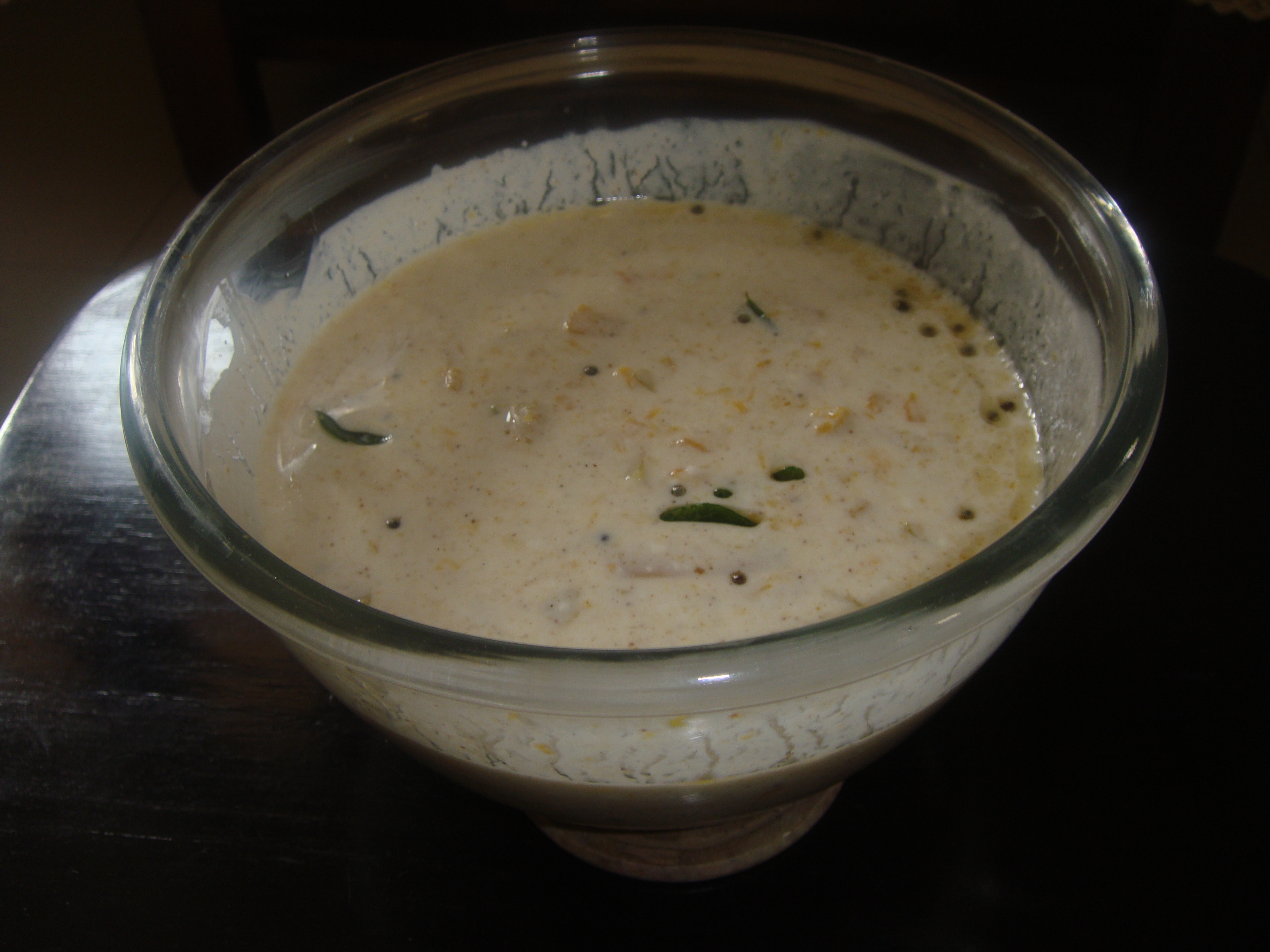
Pumpkin Raita

Pumpkin Raita

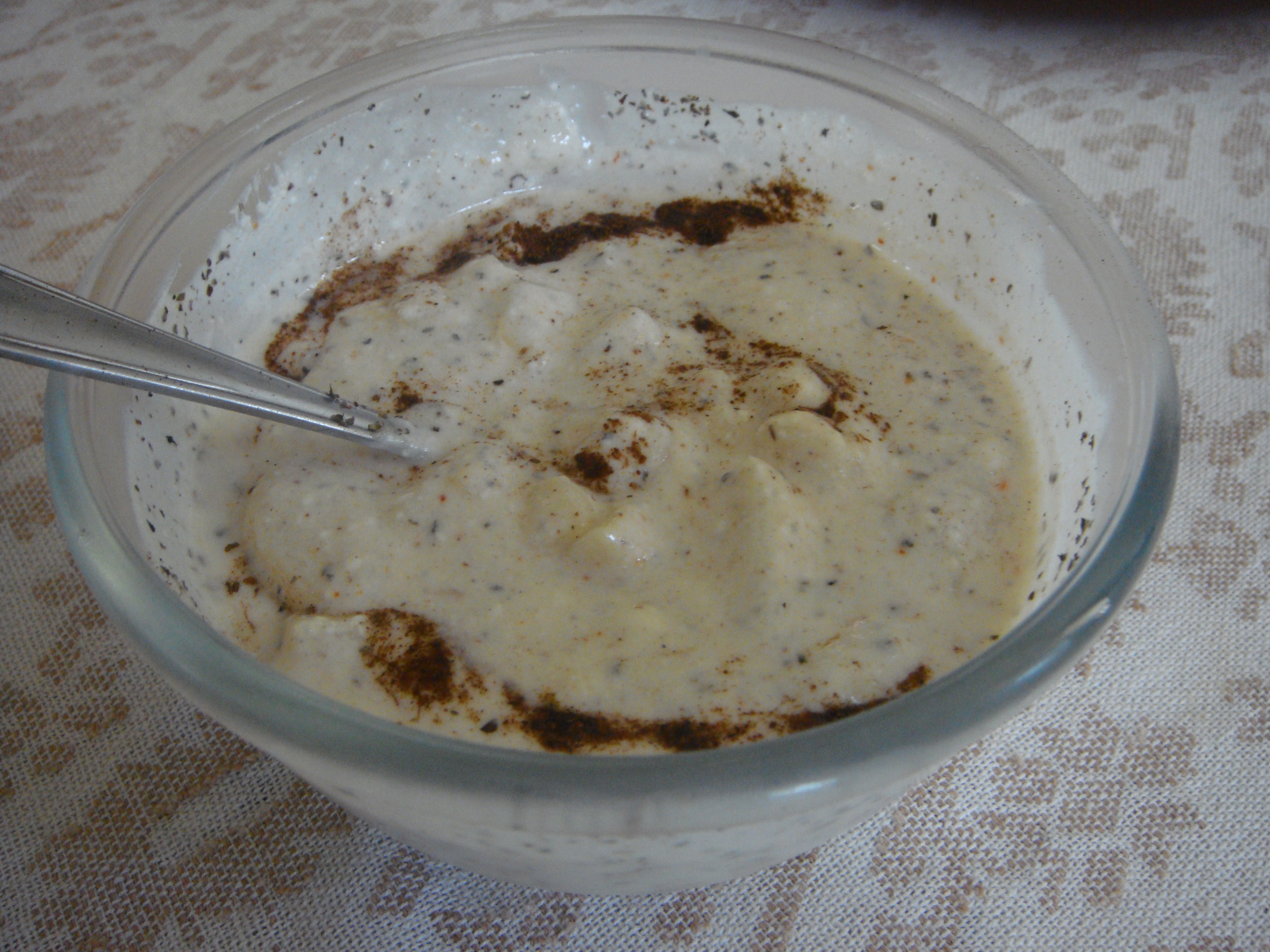
Hi friends! Here is a simple,delicious and very healthy recipe of an Indian side dish of yogurt containing yellow pumpkin and spices.

Pumpkin fruit is one of the widely grown vegetables that is incredibly rich in vital antioxidants, and vitamins. While this humble backyard vegetable is less in calories but contains vitamin A, and flavonoid poly-phenolic antioxidants such as leutin, xanthin, and carotenes in abundance.The plant is a fast-growing vine that creeps along the ground surface in a similar fashion like that of other Cucurbitaceae family vegetables and fruits such as cucumber, squash, cantaloupes…etc. It is one of the most popular field crops cultivated around the world, including the USA at the commercial scale for its fruit, and seeds.

Preparation Time: 10 minutes
Cooking Time: 8 minutes
Makes: 4 servings

Ingredients:

  • 250 gm Pumpkin
  • 3 cups Curd/Dahi /yogurt
  • 1 tsp sugar
  • 1/4 tsp red chili powder
  • 1/4 tsp black pepper powder
  • 1/4 tsp Black salt
  • ½ tsp Roasted cumin seed powder
  • ½ tsp Salt or / as to taste

For seasoning:

  • 2 tsp Olive oil
  • 1/2 tsp mustard
  • 1 pinch asafetida / Hing
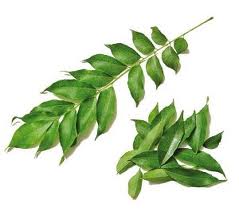
  • 6-8 curry leaves

Method:

Step 1.

Peel, wash and then cut the pumpkin in to small, slightly thick pieces.

Step 2.

Put the pumpkin along with two cups of water in a pan on a high flame. The moment water starts boiling, reduce the heat to low flame. Pumpkin will boil in eight to ten minutes.

Step 3.

Strain out the water from the boiled pumpkin and let it cool. Mash 1/4 of the boiled pumpkin a little with the back of the ladle.

Step 4.

Whisk the Curd/ yogurt till smooth. Add salt, sugar, pepper, red chili, cumin powder, black salt, and mix well. Fold in the boiled pumpkin pulp as well as pieces. Mix well.

Step 5.

Heat oil in a pan add mustard, when it starts crackling, add asafetida fry for few seconds. When asafeida turns pink add curry leaves, fry for few seconds, switch off the stove. Pore the seasoning on the Raita, mix well.

Step 6.

Refrigerate and serve cold, with rice dishes and your favorite Indian bread.

Note: Pumpkin raita like all raitas help in digesting the food.

Health benefits of curd/ Yogurt:

Being rich in calcium, curd is good for the health of bones as well as the teeth. For those who have difficulty in the digestion of lactose in milk, yogurt is an important source of calcium. Curd contains an enzyme which breaks down lactose to aid proper digestion.

Curd / Yogurt is rich in vitamin D which helps our body to absorb and use calcium.

Curd / Yogurt helps you feel fuller and is thus, a very good snack for those trying to lose weight.

Eating  curd / yogurt on a regular basis can help absorb the nutrients in other foods as well.

Ref. http://www.thehealthsite.com/fitness/9-reasons-curd-is-great-for-your-health/


Health benefits of Pumpkin:


It is one of the very low calorie vegetables. 100 g fruit provides just 26 calories and contains no saturated fats or cholesterol

it is rich in dietary fiber, anti-oxidants, minerals, vitamins. The vegetable is one of the food items recommended by dieticians in cholesterol controlling and weight reduction programs.

Pumpkin is a storehouse of many anti-oxidant vitamins such as vitamin-A, vitamin-C and vitamin-E.With 7384 mg per 100 g, it is one of the vegetables in the Cucurbitaceae family featuring highest levels of vitamin-A, providing about 246% of RDA. Vitamin A is a powerful natural anti-oxidant and is required by the body for maintaining the integrity of skin and mucus membranes.

It is also an essential vitamin for good visual sight. Research studies suggest that natural foods rich in vitamin A help a body protects against lung and oral cavity cancers.

It is also an excellent source of many natural poly-phenolic flavonoid compounds such as α, ß carotenes, cryptoxanthin, lutein and zea-xanthin. Carotenes convert into vitamin A inside the body.Zea-xanthin is a natural anti-oxidant which has UV (ultra-violet) rays filtering actions in the macula lutea in retina of the eyes. Thus, it helps protect from “age-related macular disease” (ARMD) in the elderly.

The fruit is a good source of B-complex group of vitamins like folates, niacin, vitamin B-6 (pyridoxine), thiamin and pantothenic acid.It is also rich source of minerals like copper, calcium, potassium and phosphorus.

Ref. http://www.nutrition-and-you.com/pumpkin.html

Nick’s kitchen medical Disclaimer:

  • Nick’s kitchen is for Vegetarians. It sometimes provides education and support to individuals who want to become vegetarian, or move toward a more vegetarian diet.
  • Nick’s kitchen provides some information on vegetarian and vegan diets to the best of their knowledge and abilities.
  • Nick’s kitchen does not claim to be health care professional, nutritionist, nor does it claims to treat any illness through vegan or vegetarian diet.
  • If you have a medical condition,Nick’s kitchen recommend that you consult your health care professionals before changing your diet.
  • Any changes that you make to your diet, and the results of those changes, are your decision and your responsibility.


Save

Perad /Guava Cheese

guava-cheese

Hi Friends! Perad is a well known Goan delicacy that serves as a dessert.The cool season is a time when guava trees are bountifully laden with fruit.

History: Probably considering the problem of scurvy among the trans-oceanic sailors caused by a deficiency in vitamin C, the Portuguese might have accidentally discovered curative properties in the guava. The fruit of Psidium is called Goiaba’ in Portuguese, while the elongated variety is are known as Per’. Guava is considered to be the poor man’s apple. It is loaded with vitamin C, fiber, omega 3 fatty acids, carotenoids and polyphenols which help fight cancer. It is a rich source of pectin and helps in the digestion of food besides lowering cholesterol. The fruit has laxative properties and used in the cure of scurvy. It is, however, low in calories.

Goan folk also believe that guavas should not be eaten at night. Guava pieces are generally included in Shirni by the Muslims, which is served during the talil ka khana, jyarat, Quran khane and dalej par karma. Hindus generally include guava pieces in the prasad   done during Ganesh Chaturthi, satyanarayan pooja and aartis.

Preparation time: 15 minutes

Cook time: 50 minutes

Cuisine: India, Goa

Course: Desserts

Ingredients:

      • 4 cups Guava pulp,6-8 large Guavas
      • 2 cups water
      • 3 cups sugar
      • 2 tbsp Butter/ clarified butter ( optional )

1 level teaspoon Citric acid


Method:

Step 1.

Wash Guavas well, peel if any patches on the guavas. Slice the guavas through the center into four pieces so that it becomes easier to remove the seeds from the center of the fruit.
Keep aside the seeds in a bowl. Cut the Guava slices in a bowl into small cubes.

Step 2.

  In a pan take the Guava pieces, just cover the pieces with water. Place the pan on high flame, bring the water Guava mix to a boil. Reduce the heat , cook for 15 minutes. Switch off the stove. Cool the cooked Guavas.

Step 3.

Put the cooked Guavas in a blender to get the Guava puree. Once Puree is ready pour it out into a sieve or a muslin cloth to filter out all the remaining seed and keep aside.

Step 4.

Take the seeds removed earlier from the core of Guavas,  blend just for a few seconds in the blender with little water and then strain it too, discard the seeds.

Step 5.

Put the pureed pulp in a heavy bottom pan,  bring the pulp to boil.Cook on slow fire, add the powdered sugar , stirring continuously. The colour begins to change . Add the juice of the sour lime now and keep stirring. Once it starts thickening add dash of  butter/ ghee (clarified butter) this would help in giving a nice shine and glaze to guava cheese.

Step 6.

When the Pulp starts leaving the sides of the pan, it is ready. (check this by a simple test put one drop of this mixture in water,if it solidifies the mixture is ready).

Step 7.

Switch off the stove, pour this hot mixture over a flat greased dish,with the help of spatula make the surface smooth and even. Let it cool to room temperature and cut it into desired pieces

Step 8.

Serve the Guava cheess/ Perad garnished with slivered almonds .

Note:

  1. Alternatively the guavas can be Pressure cooked with two tea cups of water. Place the cooker on high flame, when full pressure is formed  switch of the stove. Let the pressure cooker cool down to room temperature. Open the lid and puree the tender guava by putting in a blender , keep the puree aside.
  2. Stored into an airtight container it can be good up to a week.

Guava nutrition facts:

Guava is another tropical fruit rich in high-profile nutrients. With its unique flavor, taste, and health-promoting qualities, the fruit easily fits in the new functional foods category, often called “super-fruits.”

It is an evergreen, tropical shrub or low-growing small tree probably originated in the central Americas. Guavas actually thrive in both humid and dry climates and can tolerate brief periods of cold spells, but can survive only a few degrees of frost. Adaptability makes it a favorite commercial crop in some tropical areas.

Botanically, this wonderful fruit belongs within the family of Myrtaceae, in the genus: Psidium. Scientific name: Psidium guajava.

Health benefits of guava fruit

  • Guava is low in calories and fats but contain several vital vitamins, minerals, and antioxidant poly-phenolic and flavonoid compounds that play a pivotal role in prevention of cancers, anti-aging, etc.
  • The fruit is very rich source of soluble dietary fiber (5.4 g per 100 g of fruit, about 14% of DRA), which makes it a good bulk laxative. The fiber content helps protect the colon mucous membrane by decreasing exposure time to toxins as well as binding to cancer-causing chemicals in the colon.
  • Guava-fruit is an excellent source of antioxidant vitamin-C. 100 g fresh fruit provides 228 mg of this vitamin, more than three times the DRI (daily-recommended intake). The flesh just underneath its outer thick rind contains exceptionally higher levels of vitamin C than its inner creamy pulp.
  • Scientific studies shown that regular consumption of fruits rich in vitamin C helps human body develop resistance against infectious agents and scavenge cancer causing harmful free radicals from the body. Further, it is required for collagen synthesis within the body. Collagen is the main structural protein in the human body required for maintaining integrity of blood vessels, skin, organs, and bones.
  • The fruit is a very good source of Vitamin-A, and flavonoids like beta-carotene, lycopene, lutein and cryptoxanthin. The compounds are known to have antioxidant properties and therefore essential for optimum health. Further, vitamin-A is also required for maintaining healthy mucus membranes and skin. Consumption of natural fruits rich in carotene is known to protect from lung and oral cavity cancers.
  • 100 g of pink guava fruit provides 5204 µg of lycopene, nearly twice the amount than in tomatoes. (100 g tomato contains 2573 µg of lycopene). Studies suggest that lycopene in pink guavas prevents skin damage from UV rays and offers protection from prostate cancer.
  • Fresh fruit is a very rich source of potassium. It contains more potassium than other fruits like banana weight per weight. Potassium is an important component of cell and body fluids that helps controlling heart rate and blood pressure.
  • Further, the fruit is also a moderate source of B-complex vitamins such as pantothenic acid, niacin, vitamin-B6 (pyridoxine), vitamin E and K, as well as minerals like magnesium, copper, and manganese. Manganese is used by the body as a co-factor for the antioxidant enzyme, superoxide dismutase. Copper is required for the production of red blood cells.

Ref. http://www.nutrition-and-you.com/guava.html

Nick’s kitchen medical Disclaimer:

  • Nick’s kitchen is for Vegetarians. It sometimes provides education and support to individuals who want to become vegetarian, or move toward a more vegetarian diet.
  • Nick’s kitchen provides some information on vegetarian and vegan diets to the best of their knowledge and abilities.
  • Nick’s kitchen does not claim to be health care professional, nutritionist, nor does it claims to treat any illness through vegan or vegetarian diet.
  • If you have a medical condition,Nick’s kitchen recommend that you consult your health care professionals before changing your diet.
  • Any changes that you make to your diet, and the results of those changes, are your decision and your responsibility.


Save

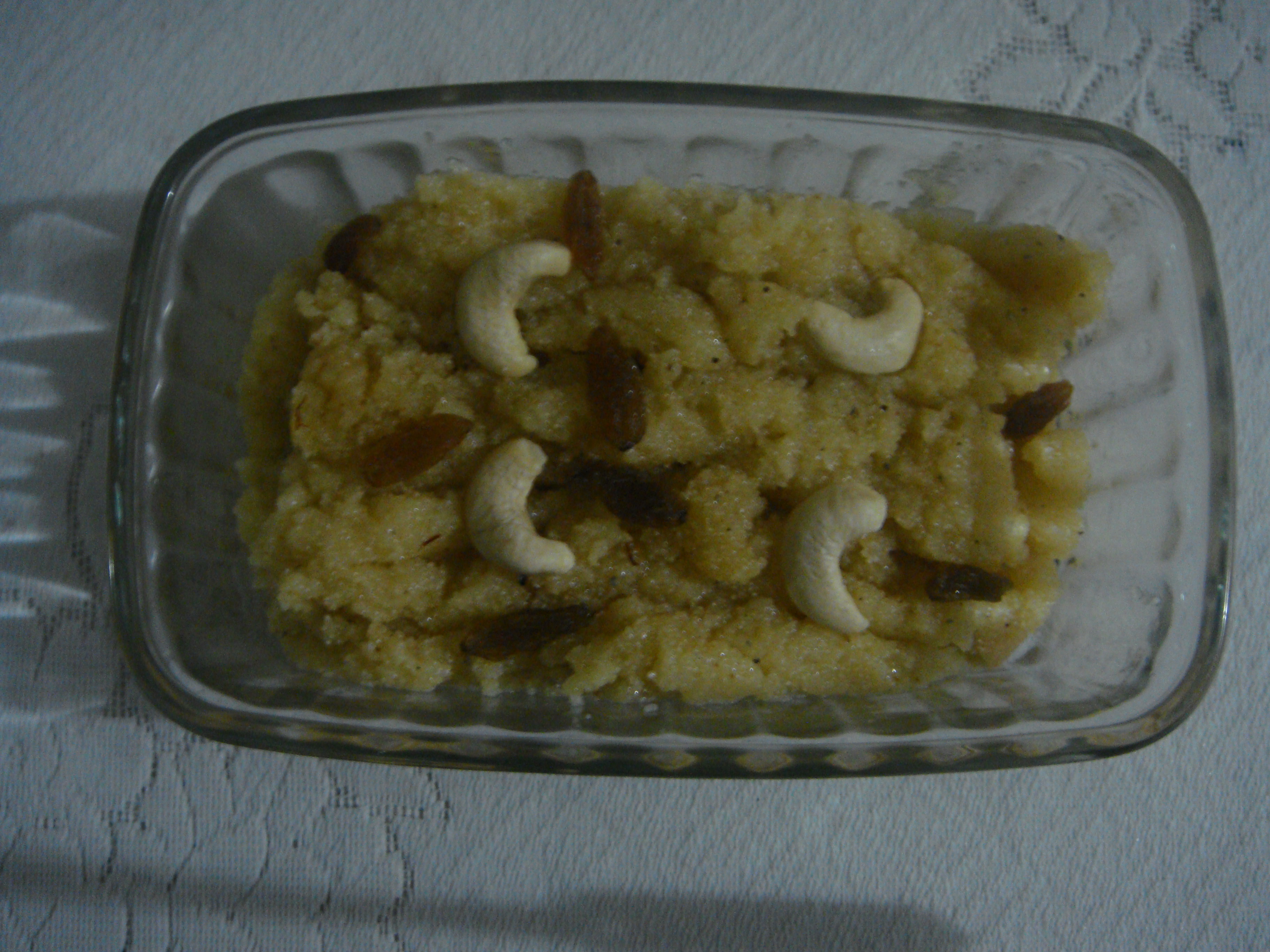
Wheat flour Halwa

Wheat flour Halwa NG

Whole Wheat flour Halwa

What is whole wheat flour? Whole wheat literally means that the whole grain is used when grinding wheat to make flour. This includes the wheat germ and the bran. The wheat germ is the tiny, nutrition-packed part of each wheat grain that actually allows the seed to germinate and grow. According to the Mayo clinic, the germ is packed with valuable nutrients including thiamin, potassium, magnesium, vitamin E, riboflavin, phosphorus, iron and zinc. Wheat bran is the thin shell of each grain of wheat. It is a valuable source of fiber.

Hi friends! whenever you feel like eating something sweet and nutritious at home wheat Flour Halwa can be made instantly.  So here is the recipe of Wheat Flour Halwa for you.

Recipe cook time: 25 minutes

Level : Easy

Serves: 6

Cuisine: Indian dessert

Ingredients:

  • 1 cup (whole wheat flour)
  • 1 cup sugar
  • 4 cups water
  • 1/2 cup ghee
  • 12 Almonds, finely chopped/ slivered

Method:

Step 1.

In a wok/ Kadahi, melt the ghee add the wheat flour and stir fry over medium heat, stir it continually for about 8-10 minutes. When the flour is light golden in colour and does not stick together much , it is well fried .

Step 2.

As the flour is getting fried, take water in a pan add the sugar bring it to boil, simmer it till required.

Step 3.

Pour the hot sugar solution into the fried flour gently and carefully, stirring continually. Add half of the almonds and bring to a boil, stir continuously. Once the water is added to the flour mixture, stir well so that no lumps are formed. Flour absorbs the water added.

Step 4.

Thoroughly mix let whole mixture, cook for 5-6 minutes more. keep on stirring so that the wheat flour halwa does not stick to the wok / Kadahi and starts leaving the sides. Wheat flour halwa is ready now.

Step 5.
Serve hot, garnished with the almonds. According to your preference you can serve with Puris too.

Health Benefits of Whole wheat flour:

Why whole wheat is good for you?

Whole grains are packed with nutrients, including protein, fiber, B vitamins, antioxidants, and trace minerals (iron, zinc, copper, and magnesium). A diet rich inwhole grains has been shown to reduce the risk of heart disease, type 2 diabetes, obesity, and some forms of cancer.

Nick’s kitchen medical Disclaimer:

  • Nick’s kitchen is for Vegetarians. It sometimes provides education and support to individuals who want to become vegetarian, or move toward a more vegetarian diet.
  • Nick’s kitchen provides some information on vegetarian and vegan diets to the best of their knowledge and abilities.
  • Nick’s kitchen does not claim to be health care professional, nutritionist, nor does it claims to treat any illness through vegan or vegetarian diet.
  • If you have a medical condition,Nick’s kitchen recommend that you consult your health care professionals before changing your diet.
  • Any changes that you make to your diet, and the results of those changes, are your decision and your responsibility.

Save

Curd/yogurt Dip

Garlic Dip NG

Curd- garlic dip

Hi friends! Making this creamy, subtly garlicky hung yogurt/curd, garlic dip is  easy. It can also be used as a sandwich spread or as a creamy stuffing for pita bread.

Cooking Time: 15 minutes

Level: Easy

Course: Snack

Dips or dipping sauce are used as accompaniments to add flavor to a food, such as pita bread, crackers, cut-up raw cucumber, carrots, seafood, meat and cheese, potato fingers, tortilla chips etc. The food is dipped, and eaten. basded on hung curd Dips are commonly used for finger foods, appetizers, and other easily held foods. Thick dips  /yogurt, are very delicious and popular. Dip is a very widespread food, and is eaten in various forms all over the world.

Ingredients:

  • 6 tbsp Hung curd
  • 6 cloves Garlic, crushed well
  • 1 tsp Mustard paste
  • 1/4 tsp Black pepper powder
  • 1/2 tsp Sugar
  • 1/4 tsp Salt
  • 2 tbsp Vinegar

Method:

Step 1.

Mince the garlic cloves using a mortar and pestle. Keep it aside.

Step 2.

Take a mixing bowl, put the hung curd in a bowl and whisk till it becomes really smooth.

Step 3.

Add the vinegar, crushed garlic, salt, mustard paste, sugar and black pepper powder. Whisk again to mix it well.

Step 4.

Serve with carrot, cucumber sticks, bread and other crisps.

Note: You can make different dips out of this basic dip recipe by adding – finely cut green bell pepper, finely chopped up gherkins and olives, finely chopped mint etc.

How to Make Hung Curd:

When whey water gets completely drained from the curd , hung curd is ready. Hung curd is used in many Indian and Middle Eastern dishes and is a great source of calcium.

Steps-

  • Tie fresh curd tightly in muslin or cheesecloth.
  • Hang the tied ball for draining water / liquids out. Draining over a sink or bowl is best.
  • Wait at least six hours to ensure full draining.
  • Take down the bundle.
  • We can use a weight on the drained curds to press even more moisture out.
  • The HUNG curd can be refrigerated to last a long time without souring.

Nick’s kitchen medical Disclaimer:

  • Nick’s kitchen is for Vegetarians. It sometimes provides education and support to individuals who want to become vegetarian, or move toward a more vegetarian diet.
  • Nick’s kitchen provides some information on vegetarian and vegan diets to the best of their knowledge and abilities.
  • Nick’s kitchen does not claim to be health care professional, nutritionist, nor does it claims to treat any illness through vegan or vegetarian diet.
  • If you have a medical condition,Nick’s kitchen recommend that you consult your health care professionals before changing your diet.
  • Any changes that you make to your diet, and the results of those changes, are your decision and your responsibility.


Save

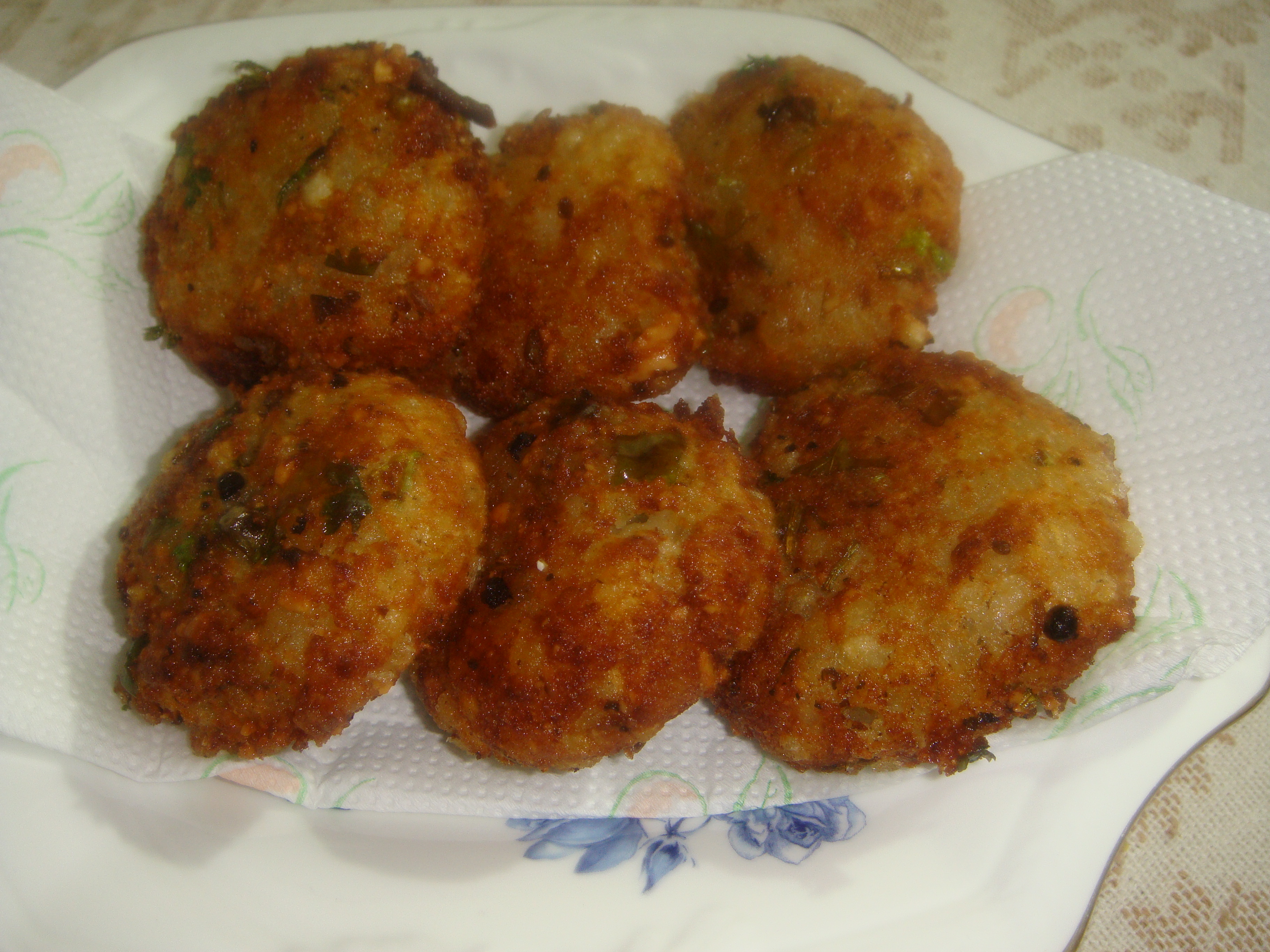
Sabudana/Sago Vada

Sago Vadas 1sago Sago/Sabudana/Tapioca pearls

     Sabudana/Sago Vada

Hi friends!A very popular Maharashtrian snack prepared especially on days of fasting during Navratri. Sago vada can also be enjoyed as a tea time snack. This easy to make snack  is very delicious.

Cook time: 30 mins

Recipe type: breakfast, savory snacks

Cuisine: Maharashtra, western Indian

Serves: 4

Ingredients:

  • 1 cup sabudana/ tapioca pearls
  • 4 medium potatoes/aloo
  • 1 tsp cumin seeds/jeera (optional)
  • 1-2 green chillies finely chopped
  • 1 tsp finely chopped ginger/adrak
  • ½ cup peanuts/mungphali
  • 2 tbsp coriander leaves/dhania , finely chopped
  • 2-3 tsp Rice flour, for dusting (optional)
  • 1 tsp Lemon juice, or as per taste
  • 1 tsp sugar
  • 1 1/4 tsp salt or / to taste
  • oil for frying

Instructions:

Step 1.

Wash the sabudana well and then soak it overnight with just enough water to cover it. The water gets absorbed and Sago/ Sabudana looks plumped up. With the help of a strainer drain off all the water completely from the soaked sabudana.

Step 2.

Boil the potatoes. Peel and mash them. take a mixing bowl, put the mashed potatoes and sabudana together.

Step 3.

In a nonstick pan, roast the groundnuts/peanuts till they become slightly golden brown. Cool to room temperature and then coarsely powder in a dry grinder.

Step 4.

Add peanuts, salt, sugar, ginger, green chilies, coriander leaves and lemon juice, blend the mixture well.

Step 5.

Now take some portion of the mixture in your hands and shape them into flat round vadas. Do this till all the mixture is utilized. keep aside the vadas in a tray.

Step 6.

Heat the oil, deep fry the vadas till golden brown. Serve hot with any accompaniment like Coriander chutney.

Note:

The Saboodana/Sago should be well soaked. Use a strainer or a colander to drain the water. Excess water in saboodana vada mixture will make it difficult to handle the mixture while making vadas . For better taste use roasted ground nuts. For best results Saboodana vada should be fried in a moderately hot oil till light golden on both sides.

Health benefits of eating sago / saboodana:

Sago or sabudana or tapioca pearls is a food which is full of energy and carbohydrates. It is extracted from the center of sago palm stems in the form of starch. It is also known as tapioca pearls. If is one of the wholesome diet of starch and carbohydrates and is used in a lot of Indian dishes. Sago is used in puddings, gruel or soups, and upma dishes. In gruel form, it is used in various carbonated drinks to provide energy without any addition of artificial chemicals and sweeteners. It is one food which possess a high cooling effect in the system and it is quite easy to digest. It is also used in making cakes and breads. Sago is helpful as a substitute in binding the dishes or making them thick. It is  low in calories and is preferred as a light meal option.

The benefits of eating sago are associated with its starch form as

Aid in digestion: Pearl sago is used as one easily digestible non-irritating baby food, as well as a food in inflammatory cases. In such cases, sabudana is boiled with milk or water  and then added with sugar or spices to enhance the flavour.

Nutritional value: Sago grains are about 2mm in diameter. They are a source of pure carbohydrates with very little protein, vitamin C, calcium and minerals. A hundred gram of dried sago yields about 355 calories, with an inclusion of 94 gms of carbohydrates, fats and proteins.

Sago and the body: The main content of sago is carbohydrates and has an ancient history in aiding to certain herbal medicines. Sago along with  rice is used to cool the body. It is helpful in treating ailment resulting from too much heat, such as the production of excess bile. As we know it is a renowned food in Indian culture and moreover, it is a staple diet in some continents. The herbal remedy of sago is not hidden outside the Indian subcontinent such as Sri Lanka, New Guinea and other Asian pacific countries.

Sago dishes: Various dishes are made from sago as it is easily mixed with wide variety of tastes and spices. However, sago is low in proteins, vitamins and minerals, its combination with other supplements can result  into high nutrition and taste. In various  parts of India, it is used as fasting food in the form of khichdi or pilaf, soaked sabudana fried with potatoes and other vegetables. Sago possess a high usage in baking breads and pancakes.

A high energy booster:  Sago food is full of energy, and often served as a food  to break the fast. It has high beneficiaries for sick people as a supplement providing enough energy to combat the weakness and ailments.

Keep them in dry and airtight container. It should be kept away from moisture for long storage. The white pearls of sago becomes white when soaked in water and turns translucent when cooked. Fermentation may improve the nutritional value of sabudana. In Papua New Guinea, sabudana paste is partially fermented by mixing it in palm leaves,which are then stored  in cool place. Therefore, a lot of recipe with high in energy, you should not be missing it. As experiments can really turn it out in high taste value.

Ref. https://beautyhealthtips.in/health-benefits-eating-sago/

Nick’s kitchen Disclaimer:

  • Nick’s kitchen is for Vegetarians. It sometimes provides education and support to individuals who want to become vegetarian, or move toward a more vegetarian diet.
  • Nick’s kitchen provides some information on vegetarian and vegan diets to the best of their knowledge and abilities.
  • Nick’s kitchen does not claim to be health care professional, nutritionist, nor does it claims to treat any illness through vegan or vegetarian diet.
  • If you have a medical condition,Nick’s kitchen recommend that you consult your health care professionals before changing your diet.
  • Any changes that you make to your diet, and the results of those changes, are your decision and your responsibility.

Save

Chana Dal with Kaddu

kaddu Chana Dal

Bengal gram dal with yellow Pumpkin

Hi friends! Combination of Chana dal and pumpkin is highly nutritious, has a rich flavour and aroma, is amazingly delicious and gets easily digested.

Prep time: 15 minutes

Cook time: 35 minutes

Total time: 40 minutes

Recipe type: main

Cuisine: north Indian

Serves: 4

Ingredients:

for cooking the chana dal in pressure cooker:

  • 1 cup chana dal/bengal gram dal
  • 1/2 tsp turmeric/haldi
  • 1/4 tsp asafetida/hing
  • ½ tsp red chili powder
  • 1 tsp salt or / Salt as required
  • 1/2 tsp cumin seed / jeera
  • 1 tbsp cooking oil
  • 500 ml water

for seasoning:

  • 200 gms Yellow pumpkin, Cut into small cubes
  • 2 medium sized tomatoes
  • 1 medium size onion, finely chopped
  • 1 tsp ginger/adrak, finely grated
  • 8-9 garlic cloves, crushed
  • 1/2 tsp cumin seed/jeera
  • 1 1/2 tbsp coriander powder/dhania powder
  • 3 cloves, powdered
  • 1 Bay leaf
  • 2 Black Cardamom seeds, powdered
  • 2 tsps fresh lime juice
  • 2 tbsp Pure Ghee
  • 1 tbsp fresh coriander/cilantro leaves, finely chopped, for garnishing

Method:

Step 1.

Clean and wash the chana dal well, soak the dal for an hour in 500 ml water, keep aside

Step 2.

In a pressure cooker heat a tablespoon of cooking oil, add cumin seed, wait till starts spluttering, add asafetida fry for few second till turns pink.

Step 3.

Add the chana dal with water and turmeric, chili powder powder . On a full flame place the pressure cooker on the stove. The moment pressure is formed, reduce to low flame, cook for twenty five minutes. switch off the stove, let the pressure cooker cool to room temperature.

Step 4.

Open the lid of the pressure cooker, dal is well cooked, keep aside.

Step 5.

Take a pan, heat ghee add the cumin first and fry for a few seconds, add the onions and fry till they become light brown, add the garlic and fry till golden. Add coriander powder, fry for few seconds,  add clove and Black cardamom powder. Add pumpkin pieces, fry for 3-5 minutes, now add the tomatoes, ginger, stir and sauté on low flame till the tomatoes get cooked and the oil starts to leave the side of the mixture.

Step 6.

Pour this tempering mixture on the dal, stir and simmer the dal for 10-15 minutes till dal is well blended, the dal is neither thick nor thin. Add fresh lime juice.Garnish chana dal with chopped coriander leaves. Serve the chana dal hot with basmati rice pulaos or with any of the Indian breads.

Note:

The consistency of the dal can be easily adjusted, if the dal becomes thick, then after adding the tempering, add some water and simmer for some minutes or if the dal become thin, simmer for a longer time so that you get the right consistency.

Possible health benefits of consuming pumpkin:

Consuming fruits and vegetables of all kinds has long been associated with a reduced risk of many lifestyle-related health conditions. Many studies have suggested that increasing consumption of plant foods like pumpkin decreases the risk of obesity and overall mortality. It can also help stave off diabetes, heart disease, and promote a healthy complexion and hair, increased energy, and overall lower weight.

Pumpkin is one of the best-known sources of beta-carotene, a powerful antioxidant that gives orange vegetables and fruits their vibrant color. Beta-carotene is converted to vitamin A in the body once it is eaten.

Consuming foods rich in beta-carotene may reduce the risk of developing certain types of cancer, offer protection against asthma and heart disease, and delay aging and body degeneration.

Ref.http://www.medicalnewstoday.com/articles/279610.php

Possible health benefits of consuming Chana dal:

  • Chana dal is high in fiber and helps to lower cholesterol.
  • It also has a very low hypoglycemic index, which is important for those with diabetes.
  • Chana dal is a helpful source of zinc, folate, calcium and protein.
  • It is low in fat and most of it is polyunsaturated.
  • Chana dal is extremely delicious in taste, full of nutritious and can be digested easily.

Ref.http://healthytips-foryou.blogspot.in/2014/11/health-benefits-of-chana-dal.html

Nick’s kitchen medical Disclaimer:

  • Nick’s kitchen is for Vegetarians. It sometimes provides education and support to individuals who want to become vegetarian, or move toward a more vegetarian diet.
  • Nick’s kitchen provides some information on vegetarian and vegan diets to the best of their knowledge and abilities.
  • Nick’s kitchen does not claim to be health care professional, nutritionist, nor does it claims to treat any illness through vegan or vegetarian diet.
  • If you have a medical condition,Nick’s kitchen recommend that you consult your health care professionals before changing your diet.
  • Any changes that you make to your diet, and the results of those changes, are your decision and your responsibility.


Pumpkin Ambal

Ambal

Kaddu / Pumpkin Ambal

Serving: 4

Cook time: 25 minutes

Ingredients:

  • 250 gms Kashiphal/ Kaddu /Pumpkin orange one
  • 6 tbsp Tamarind paste
  • 4 tbsp Jaggery , powdered
  • 1/2 tsp Fenugreek seeds/ Methi seeds
  • 2/3 tsp Cumin seeds/ jeera
  • 1 tsp ginger, finely grated
  • 1/2 tsp Red chilies
  • 1/2 tsp Turmeric
  • 2 tbsp Olive oil
  • 1 tsp Salt/ or salt to taste
  • 1 cup water

Method:

Step 1.

Cut the pumpkin / kashiphal into small squares.

Step 2.

Heat oil and put fenugreek seeds and cumin seeds. As the seeds turn brown add turmeric and red chillies to your taste.

Step 3.

Put in the Kashiphal /Pumpkin. Fry ,cover and cook till tender and leaves oil.

Step 4.

Meanwhile soak tamarind in a small amount of water, remove the seeds , pour this thick paste into the pumpkin/kaddu and put half cup of water, simmer.

Step 5.

As it simmers put jaggery into it and boil till it melts.

Step 6.

Serve with rice.

Note:

Tasty ambal which is a dogree dish of jammu is ready to be served. It goes well with rajma  and helps digest it.


Lauki Tamatar

Ghiya ki sabzi

Lauki Tamater/ Bottle gourd with Tomatoes

Ingredients:

  • 500 gms lauki
  • 2 medium size tomato , finely chopped
  • 1 medium size Onion, finely chopped
  • 2/3 tsp cumin seeds
  • 2 tsp coriander powder
  • ½   tsp red chili powder
  • ½   tsp turmeric powder
  • a Pinch of asafetida (Hing)
  • 3 tbsp Olive oil
  • 1tbsp coriander leaves, finely chopped
  • 2/3 tsp salt or/ salt to your taste

Method:

Step 1.

Wash and peel the lauki/ bottle gourd, slice off the top and bottom tip and cut it into small
cubes, soak in water till used later.
Step 2.

In a wok/ kdahi heat oil, add cumin seed, when it crackles , add asafetida and fry tll it turns pink. Add chopped onions,fry till onion turns golden brown.

Step 3.

Add the spices,coriander powder, red chili powder, turmeric powder and mix with the oil and fry them for few seconds more.

Step 4.

Add finely chopped tomatoes and cook covered for eight to ten minutes on low flame or until they become soft and blend with spices.

Step 5.

Add cubed lauki/ bottle gourd pieces, salt and one cup of water and mix everything together, close the lid turn the heat to low flame.

Step 6.

Add more water if needed and cook till lauki is cooked well, once you have the desired consistency turn the stove off.

Step 7.

Serve hot, garnish with chopped coriander leaves.
Note:
Bottle gourd/ lauki is a bland vegetable, try to cook with other ingredients and combination, to make this dish delicious. For variations cook lauki with onion masala or to cook lauki with channa Dals / Lentils.


Health benefits of lauki / Bottle gourd:

Bottle gourd, also known as lauki or doodhi in India is a popular vegetable used in dishes all across the country. One of the famous health benefits of the vegetable is that it is easy to digest and great for those suffering from digestive problems. However, lauki has more health benefits than one and here are some of them.

  1. Aids digestion

People suffering from constipation should eat bottle gourd as it is high in fibre and helps clear the food stuck in your colon. Additionally, juice made out of bottle gourd also helps in the treatment of acidity as it is alkaline in nature. Read about more home remedies that can cure constipation. 

  1. Great for weight loss

Bottle gourd is one of the best foods you can have if you want to lose weight as it is 96% water, and a 100g serving contains as little as 12 calories. The high fibre content will take care of your hunger, and keep you feeling full. Here is a sample weight loss diet for your reference.

  1. Helps treat urinary disorders

Bottle gourd has a cooling effect on your body, and a glass of bottle gourd juice is a great diuretic that can be used to treat burning sensation while passing urine. This burning sensation is caused due to high levels of acid in the urine, which can be countered by the alkaline nature of bottle gourd juice.

  1. Refreshes you during summers

Just like cucumber, bottle gourd too has a high amount of water which keeps you hydrated during summers. Drinking a glass of its juice will ensure that you do not face loss of sodium, fatigue or extreme thirst while you are out in the sun. This makes it great for people whose jobs require them to travel in daylight.

  1. Prevents heart disease

Unhealthy lifestyles are leading to several cases of heart disease in urban India. So much so that, 70% of the urban population is at risk of heart disease due to wrong lifestyle choices like eating fried and processed foods, smoking, etc. Like a lot of fruits and vegetables, bottle gourd has zero cholesterol and is rich in Vitamins like Vitamin C and antioxidants making it good for your heart.

  1. Reduces stress

It is quite easy to feel stressed in today’s times, and unhealthy eating can only worsen the situation. Bottle gourd has a high water content has a cooling effect on your body which makes you feel better the very moment you take it. It also has diuretic, sedative and antibilious properties which makes your body feel better internally, and keeps stress at bay. Read more about how you can combat stress.

Ref. http://www.thehealthsite.com/fitness/health-benefits-lauki-dudhi-bottle-gourds-sa114/

Makhana Kheer

Makhana kheer NG 1

Makhana Kheer / puffed Lotus seeds Kheer

Hi friends! Makhana kheer is a delicious desert. Makhanas/Fox nuts/Lotus seeds are puffed lotus seeds and are used in making several dishes and snacks. In Northern India Makhanas are often used for snack. Makhana kheer is very easy to make and you can enjoy it as a dessert.

Ingredients:

  • 4 Cup of Makhanas , shallow fried and crushed coarsely
  • 3   tbsp ghee / butter
  • 6   Cups of whole milk
  • 12 almonds , thin slices
  • 12 pistachios , thin slice
  • 1/2 Cup of sugar or/ Sugar to taste
  • 1/4 tsp strings of saffron
  • 6 green cardamoms, powdered
  • 12 Raisins

Method:

Step 1.

In a heavy bottom pan add milk and bring it to boil , turn to medium heat, while keep    stirring periodically (so that milk does not burn from the bottom) till it is thickened or reduced to 70%.

Step 2.

In the mean time heat a wok / Kadahi with ghee. On a high flame fry the makhanas, stirring continuously . when makahanas are well fried, will become crispy.Switch off the stove, cool and coarsely crush the makhanas, keep aside. ( Approx. 5-6 minutes)
Step 3.
Once milk become little thicker add saffron, sautéed makhanna and let the makhanas and milk simmer for 20 to 25 minutes on low heat or until milk reduce to half and of acreamy consistency, stirring frequently.

Step 4.

Once makhannas become soft and milk become thick and creamy add sugar, and sliced nuts, mix and cook for another couple of minutes. Turn the stove off.
Step 5.

Transfer the kheer in a serving bowl and sprinkle other half of nuts. Serve the makhana kheer hot or cold.

Possible health and beauty benefits of Lotus seeds:

Lotus seeds, commonly known as makhana in India, are the seeds of the water lotus plant. The seeds are small, round and white or off-white in appearance. They are the edible seeds of lotus flower which can be roasted or fried. Lotus seeds are used for nutritional and healing properties in Chinese medicine. The lotus seeds are highly useful in terms of nutritional benefits and are low in saturated fats, sodium and cholesterol; high in magnesium potassium, thiamine and phosphorus. Besides being edible, the lotus plant has many health and beauty benefits as well. You can use makhana seeds in desserts, rice porridge, soups and stir fry dishes.

Lotus seeds are also a good source of protein, iron and zinc, which makes them extremely nutritious. They contain the anti-aging enzyme, which assist repair damaged proteins. Due to this anti-aging propery, many cosmetic companies are trying to include the seeds in their products. Along with it, the seeds have a natural flavonoid which prevents inflammation. Lotus seeds have an astringent property which benefits the kidneys and helps to restore vital energy within the body. The sweet and neutral taste of makhana seeds nourish the spleen and alleviate diarrhea. Makhana seeds are endowed with sedative properties and are used to treat insomnia or restlessness. The lotus embryo is useful for heart because of its bitter and cooling properties. Also it can help dilate blood vessels, thus reducing blood pressure.

According to western research, the seeds are antiviral which help fight the herpes 1 virus. Also it has been founded useful in lowering hypertension. One of the vital medicinal benefits of lotus seeds is stopping chronic diarrhea. Due to astringent properties, the seeds are consumed to help relieve the symptoms of diarrhea and improve appetite. Other major benefits of lotus seeds include palpitations, insomnia and irritability. They are also used to control bleeding.

Since makhana seeds are high in fiber, it helps to avoid constipation. Also they help the body to remove the waste; prevent the accumulation of toxins.  Lotus seeds are low in calories, fat and high in fiber and thus helpful in diabetes. It lowers the blood sugar level. The seeds are recommended for women during pregnancy and post natal weakness; helps in female infertility. The makhana seeds are also used in the treatment of arthritis and rheumatic pains. Further, the seeds are beneficial in weight loss too as they are high in fiber and low in calories .Lotus seeds are also very useful in anemia. The lotus seeds can be digested by all age groups. They are a healthy snack for children .Just roast the seeds a bit and add a pinch of salt.
Ref. http://healthyfoodsonly.blogspot.in/2012/11/health-and-beauty-benefits-of-lotus.html

Nick’s kitchen medical Disclaimer:

  • Nick’s kitchen is for Vegetarians. It sometimes provides education and support to individuals who want to become vegetarian, or move toward a more vegetarian diet.
  • Nick’s kitchen provides some information on vegetarian and vegan diets to the best of their knowledge and abilities.
  • Nick’s kitchen does not claim to be health care professional, nutritionist, nor does it claims to treat any illness through vegan or vegetarian diet.
  • If you have a medical condition,Nick’s kitchen recommend that you consult your health care professionals before changing your diet.
  • Any changes that you make to your diet, and the results of those changes, are your decision and your responsibility.
Save

Green Peas Rice

 Rice with peas 2

Green Peas Pulao / Matar Pulav

Serves: 2
Cooking time (approx.): 20 minutes
Cuisine: North Indian, Vegetarian
Ingredients:

  • 1  cup Basmati rice / long grain rice, uncooked
  • 1  cup green peas, shelled
  • 2  medium size onions, finely sliced
  • 1 tsp Cumin seed / Geera
  • 2  tablespoons butter olive oil
  • 2 1/2  cups water
  • 1 1/2 tsp salt to taste

Method:

Step 1.

Wash the rice well. Soak it in water for half an hour for best results. Keep aside.

Step 2.

Heat oil on medium flame in a large heavy-bottomed pan, add cumin seed, when it splutters add sliced onions .

Step 3.

Fry for a few minutes, till onions turn light golden brown.

Step 4.

Add the rice, green peas, water and salt to the fried onions. Mix well bring to boil on high flame. Once it stars boiling , reduce heat to low flame and cook covered on low level for ten to fifteen minutes or till all water is absorbed.

Step 5.

Serve hot , garnishing with a sprinkling of black pepper powder.

Note: Green peas / matar are a good way to add more taste to Basmati rice.Green peas rice is more delicious when served with curries, Raitas and salads .

Chironji / Buchanania lanzan

Chronji nut 1Chrongi nut

Latin Name : Buchanania lanzan

Indian Names : Charoli, Chironji, Chirauli, Char,Priyala, Boruda etc.

Common English Names : Cheraunji nut tree, Cherauli nut, Cudappah Almond, Chironji nut Charooli, Chirolo, Chirongi and Charoli in Hindi and  in Tamil , Telugu etc.

The Chironji tree is an evergreen tree native to India and grows all over the country especially in the Northwest area of India. It grows to a height of about 50 feet, has a straight trunk. The bark is rough and fissured, dark grey to black on the outside and reddish on the inside.

The leaves are thick, leathery, oblong and broad and are rounded at the base. The flowers are small and greenish white and form a terminal panicle. The fruit is black in color and are harvested from April to June.

The fruit has a hard seed coat while the inside kernel is soft like a pine nut. It has a light acidic flavor akin to that of an almond. Normally the seeds are roasted or toasted before consumption or usage as heat make more flavors to emanate from the seed. The seeds are flat, oval and speckled with dark patches.

The tree commonly grows in dry and open deciduous forests preferring to grow on sandy and loamy soil and does not grow in waterlogged areas.

Each tree yields from 1 to 5 kgs of charoli seeds and chironji seeds are considered a delicacy. They are especially used in making sevaiyan during the Muslim Eid festival.

The seeds lose their flavor if kept in the open and also become bitter.

Uses Of Charoli Or Chironji:

Used primarily as a topping for sweets, they go especially well with sweet and creamy halwas (Indian puddings). They are also a must on top of a delightful dessert called shrikhand which is a tantalizing combination of yoghurt, sugar, cardamom and saffron. They can also be used to sprinkle fruit salads, soups and kormas.

The seeds of chironji are a delicacy and are used in desserts, bakery and confectionery products. They are used to thicken sauces and gravies and also to flavor meats.

The seeds yield an oil that is comparable to olive and almond oil in their medicinal properties and is also substituted for these oils in the pharmaceutical products.

The bark yields tannin which is used in the leather industry, in clarification of wine and beer, in pharmaceutical industry etc.

Chironji has long been used in Indian Ayurvedic and Unani system of medicine.

 Health Benefits Of Chironji Or Charoli:

All the parts of the charoli tree are used in traditional Indian medicine. The fruit, roots, leaves, seeds, gum and oil are used in different ways to treat a variety of health issues.

Some of these health benefits are given below:

The oil is used to apply externally on glandular swellings of the neck. It is also useful in treating skin infections and to remove facial blemishes.

The extract of the roots is used as an expectorant, to treat blood infections and correct digestive disorders caused by liver or gall bladder dysfunctioning.

The gum is used to treat diarrhea and also chest pain related to the parietal nerves.

The juice of the leaves is used in digestion problems, as an expectorant, a purgative and also as an aphrodisiac.

An ointment made from the seeds relieves itching, prickly heat, rashes, skin spots, facial blemishes and other skin related problems.

The gum is dissolved in cow’s milk and used to treat rheumatic pains.

Chironji leaves act as a tonic, relieve fatigue and tiredness and have cardiotonic properties as well. The leaf powder is used to treat wounds.

A face pack made with the seeds and milk brings a glow to the face.

Charoli seeds are cooling and are used to remove burning sensation from the body.

The seeds also act as a tonic to the brain and are useful in many genito-urinary problems like gleet etc.

Like almonds chirongi nuts have been credited with the power to sharpen concentration improve eyesight and provide strength and vigor

Availability: They are supposedly mostly grows in East India and neighboring Burma. But these can be found in well stocked Indian grocery stores in the US where I got mine.

How to Store: They keep well for up to six months in dry air tight containers.

Ref. http://hubpages.com/hub/Charoli-Or-Chironji-The-Indian-Medicinal-Plant-Its-Health-Benefits-Nutrients-Uses-And-More

Nick’s kitchen medical Disclaimer:

  • Nick’s kitchen is for Vegetarians. It sometimes provides education and support to individuals who want to become vegetarian, or move toward a more vegetarian diet.
  • Nick’s kitchen provides some information on vegetarian and vegan diets to the best of their knowledge and abilities.
  • Nick’s kitchen does not claim to be health care professional, nutritionist, nor does it claims to treat any illness through vegan or vegetarian diet.
  • If you have a medical condition,Nick’s kitchen recommend that you consult your health care professionals before changing your diet.
  • Any changes that you make to your diet, and the results of those changes, are your decision and your responsibility.

Quick Ginger Pickle

(Oil-Free pickle in lime juice / Adrak Ka Acchar)

Ginger pickle NG

Ginger Pickle (Adrak Ka Acchar) is a very delicious Indian Style, oil-free pickle. Ready in no time, this tangy and tasty mouthwatering  pickle is most enjoyed with all Indian breads like stuffed Parathas etc. for breakfast.

Total time: 20 minutes

Preparation time: 20 minutes

Cook time: 0 minutes

Ingredients:

  • 12 Fresh limes
  • 200 gms Fresh ginger
  • 2/3 tsp Salt

Method:

Step 1.

Wash the lemons thoroughly. Wipe them dry using a kitchen towel.

Cut each lime into two halves and keep aside.

Step 2.

Wash the ginger well and dry it. Peel and cut into very thin slices. Cut the slices into thin strips.

Step 3.

Take a sterilized glass jar. Combine the lemon juice, salt and ginger slices in it and mix well.

Step 4.

Seal the jar with a lid and keep in the sun everyday for 8 to 10 days. The ginger will turn pink with pickling. It is now ready to serve with rice dishes or Indian breads.

Note: Toss the ingredients in the jar occasionally. Store in a cool dry place.

Health benefits of Ginger:

Ginger, with its strong and spicy aroma, has its own place in Indian cuisine. It may be used fresh or dried, powdered or pickled or in the form of juice or oil.  Ginger tea, the classic Indian household favourite, is the most commonly used form, not to mention the ginger concoction given every time someone catches a c.

For thousands of years, ginger has been used for the treatment of innumerable ailments due to its powerful therapeutic and preventive effects. It has anti-inflammatory, analgesic, antioxidant, and anti-emetic properties. It helps to decrease inflammation, swelling and pain due to its ability to inhibit prostaglandin and leukotriene synthesis. It inhibits serotonin receptors and has the ability to break up and expel intestinal gas (carminative effect) which makes it a good antiemetic agent. Its antioxidant activity, the ability to induce cell death (apoptosis) and suppressing certain protein bestows it with anticancer properties. Compounds found in ginger are known to suppress allergic reactions. All these properties make ginger a powerhouse of health benefits. Here are few of them:

Respiratory problems

Ginger’s antihistamine property helps in treating allergies. It is also known to inhibit airway contraction and help stimulate the secretion of mucus. It is the herb of choice for persistent cough and sore throat associated with colds. A teaspoon of ginger juice with honey is effective against sore throat. And ginger tea is an all-time favourite to get rid of congestion in the throat and nose. Fresh ginger juice mixed with fenugreek and honey is excellent during asthma. Here’s how you can get instant relief from cough and cold.

Treating nausea and vomiting

Chewing on ginger could reduce nausea and vomiting. According to studies, ginger can treat sensations of nausea following surgery, and due to motion sickness, seasickness, etc. It is also beneficial for nausea as a result of adverse effect of chemotherapy.

Preventing morning sickness

Some pregnant women may find ginger beneficial in preventing their morning sickness. But it is advisable to consult your doctor before taking it. Read more about how you can deal with morning sickness.

Remedy for loss of appetite

Fuel a dull appetite by eating fresh ginger just before you have your meal. Ginger can get your digestive juices going and increase your appetite.

Aiding in digestion

Had a large meal? Eat ginger. Ginger improves absorption and assimilation of essential nutrients and aids in digestion. It also helps break down the proteins in your food. Ginger protects your stomach against ulcers by promoting mucus secretion. Also you can try these yoga poses to improve digestion.

Anti-flatulence

Calm in your upset stomach with ginger. Its carminative (gas expulsion) property provides relief from bloating and gas and helps reduce flatulence. Here are some tips to keep flatulence away.

Reduce menstrual pain

Ginger, when taken at the beginning of the menstrual period, can reduce symptoms of menstrual pain in some women. Here are some tried and tested tips to relieve menstrual pain.

Relieve headache

Applying diluted ginger paste on the forehead is believed to relieve migraine headache. The ability of ginger to inhibit prostaglandin synthesis helps relieve pain and inflammation in blood vessels thereby providing relief from migraine. Here’s how ginger can help you to get rid of headache.

Arthritis

The analgesic and anti-inflammatory property of ginger may help reduce joint pain of arthritis in some people. To help relieve muscle and joint ache, add some ginger oil into your bath.

Read more about causes, symptoms, diagnosis and treatment of cancer.

Cancer

Ginger root contains a very high level of antioxidants. Ginger has the ability to induce cell death (apoptosis) and suppress certain protein. According to some studies, ginger may be a powerful weapon against cancers. Here are top 10 food habits to prevent cancer.

Ref: http://www.thehealthsite.com/diseases-conditions/10-health-benefits-of-ginger

Lasooni palak paneer


Spinach Garlic Cheese 1

Lasooni palak paneer/Cheese Garlic Spinach

Hi friends! Garlic flavored spinach leaves cooked with cottage cheese / Paneer.

Cooking Time: 10-15 minutes

Servings: 4

Preparation Time: 10-15 minutes

Category: Vegetarian

Ingredients:

  • 500 gms Spinach/ Palak
  • 150 gms Paneer/ Cottage cheese
  • 2 medium size Onions finely chopped
  • 15 cloves of garlic
  • 1/4 tsp asafetida powder
  • 1/2 tsp red chili powder
  • 1/8 tsp baking soda
  • 2/3 tsp salt
  • 3 tbsp Olive oil

Method:

Step 1.

Wash the spinach very well, finely chop and keep aside.

Step 2.

Cut Paneer/ Cottage cheese into small cubes, keep aside.

Step 3.

Heat the oil in a wok / kadahi and add the asafetida. Fry for few seconds till pink in colour.

Step 4.

Add chopped onions to the asafetida seasoning. Saute till translucent, about three to four minutes. Add crushed garlic, saute for few minutes more.

Step 5.

Add in the spinach salt , red chili powder and baking soda . Cover and cook on a slow flame for five minutes and add paneer/ cottage cheese pieces.

Step 6.

Cook for ten minutes on low flame till spinach is well blended with the cottage cheese. Serve hot with chapattis or any other Indian breads.

 Health benefits of Spinach / Palak:

Spinach is an excellent food loaded with tons of nutrients and a low calorie package. Greens like spinach are important for skin and hair, bone health, and provide protein, iron, vitamins and minerals.

As per studies the possible health benefits of consuming spinach include improving blood glucose control in diabetics, lowering the risk of cancer, lowering blood pressure, improving bone health, lowering the risk of developing asthma and more.

Ref. http://www.medicalnewstoday.com/articles/270609.php

Health benefits of Cottage cheese / paneer :

Cottage cheese provides many health benefits, including a high protein content, as well as significant calcium, phosphorus, and potassium contents, and it can be used for weight management.

Reduced Risk of Breast Cancer: The calcium and vitamin D found in dairy products, especially in cottage cheese, reduces the risk of breast cancer.

Rich in Protein: One of the biggest benefits of cottage cheese is the high amount of casein protein found in it. It is believed that cow’s milk contains the highest amount of casein protein among various milks. The amount of protein contained in cottage cheese is ideal for vegetarians in supplying them with the required amount of daily protein. Cottage cheese does not require any amount of cooking and it can be consumed directly.

Best Foods for Pregnant Women: Cottage cheese is recommended for pregnant women along with athletes due to various essential nutrients found in it.

Rich Source of B-Complex Vitamins: B-complex vitamins found in cottage cheese are helpful in various metabolic activities in our bodies. Some of them include vitamin B12, riboflavin, pantothenic acid, thiamin, niacin, and folate.

-Vitamin B12 is needed for proper brain functioning and helps in absorbing iron.

-Riboflavin helps in converting carbohydrates into energy.

-Pantothenic Acid acts as a synthesizer that helps in forming proteins, fats, carbohydrates, and amino acids in our body.

-Thiamin helps in converting sugars into energy in the pyruvate dehydrogenase system.

-Niacin, on the other hand plays an important role in digestion, energy production, and cholesterol reduction.

-Folate helps in fetal development in pregnant women, helps in producing red blood cells and keeps the heart healthy.

Strengthens Bones: Calcium is one of the major elements associated with milk and their products. Some of the benefits of calcium-rich foods include bone strengthening and weight loss.

Heart-Friendly and Maintains Blood Sugar Levels: Cottage cheese is a good source of magnesium. In the human body, most of the magnesium is concentrated in our bones. Magnesium also acts as a catalyst, promotes biochemical reactions, activates various enzymes in the body, maintains muscle and nerve functioning, and supports the immune system. It helps in maintaining blood sugar levels and prevents heart attacks, constipation, psychiatric disorders, migraine, and collagen.

Prevents Strokes and Controls Anxiety: Apart from other nutrients, cottage cheese contains potassium. Potassium acts as a fluid-balancing element in the body and is an important component in neural activities of the muscle and brain. It also relieves muscle cramps. Intake of potassium on a regular basis prevents the risk of getting brain stroke, since it lowers blood pressure and the contraction of vessels. It is also helpful in decreasing stress levels and anxiety. Potassium, along with sodium, act as electrolytes, but potassium does not have the side effects of sodium such as increased blood pressure and cardiovascular stress.

Improves Biological Functions: Zinc found in cottage cheese is about 4% of the daily recommended value.  In the human body, it is found in the brain, muscles, bones, kidneys, liver, prostate, and eyes. It helps in the metabolism of DNA and RNA.  Zinc is one of the trace elements whose presence in our body helps in improving the immune system, digestion, diabetes control, fights stress and anxiety, cures night blindness, improves ocular health, prevents appetite loss, prevents prostate disorder, fights various infections and also acts as an antioxidant.

Improves Digestion: Cottage cheese contains phosphorous, which plays a major role in the formation of DNA and RNA. It is a major component in forming bones along with calcium. Phosphates also help in digestion, excretion, and in the production and extraction of energy in the cells.

Antioxidant Properties: Selenium is a trace element found in cottage cheese. It is required in very small quantities, not more than 50 mcg to 70 mcg in adults. Selenium is useful as an antioxidant that protects cells and DNA from damage. It is also believed that an optimum intake of selenium-rich foods reduces the risk of prostate cancer. New study suggests that a diet rich in dairy products may slightly extend lives of people diagnosed with colon cancer.

Quick Serving Tips

Salad– Add chopped/grated cottage cheese to salads such as green salads and tuna salads.

Omelet– Add chopped cottage cheese and vegetables to the egg mixture for making a delicious omelet.

Curries/Stew– Cottage cheese can be used for making stew/curries, along with meat and vegetables.

Ref.https://www.organicfacts.net/health-benefits/animal-product/health-benefits-of-cottage-cheese.html

Nick’s kitchen medical Disclaimer:

  • Nick’s kitchen is for Vegetarians. It sometimes provides education and support to individuals who want to become vegetarian, or move toward a more vegetarian diet.
  • Nick’s kitchen provides some information on vegetarian and vegan diets to the best of their knowledge and abilities.
  • Nick’s kitchen does not claim to be health care professional, nutritionist, nor does it claims to treat any illness through vegan or vegetarian diet.
  • If you have a medical condition,Nick’s kitchen recommend that you consult your health care professionals before changing your diet.
  • Any changes that you make to your diet, and the results of those changes, are your decision and your responsibility.


Aloo Curry

Aloo tamater 3  Puri

(Aloo sabzi with Puris)

Prep time: 20 minutes

Cook time: 10 minutes

Total time: 30 minutes

Recipe type: main

Cuisine: North Indian

Serves: 2-3

Ingredients:

  • 4 medium size potatoes , boiled, peeled and cut into small cubes
  • 2 medium tomatoes/tamatar
  • 1 tsp cumin seeds/jeera
  • 1/2 tsp red chili powder
  • 1/4 tsp turmeric powder
  • 1/4 tsp asafetida / heeng
  • 1 tbsp ginger, finely chopped
  • 2 cups water
  • 1 tbsp Olive oil
  • 1 tbsp coriander leaves, finely chopped for garnishing

Method:

 Step 1.

 Cook the potatoes in a pressure cooker with two cups of water. The moment pressure is formed, reduce the heat to low flame for 5 minutes, switch off the stove. Cool the cooker to room temperature, open the lid take out the potatoes, peel and cut into small cubes three potatoes. Mash coarsely the fourth potato and Keep aside.

Step 2.

Heat the oil or ghee in a pan add the cumin seeds, when it starts spluttering, add asafetida. Fry for few seconds till asafetida turns light pink.

Step 3.

Add the tomatoes and saute till they become soft and you see the oil leaving the sides.

Step 4.

Add cubed and mashed potatoes, red chili powder, chopped ginger, salt and two cups of water stir. Mashed potato is added to help in thickening the gravy.

Step 5.

Let the curry cook for 7-8 minutes or more on a medium flame, till it thickens slightly.

Step 6.

Garnish with coriander leaves, serve hot, with puris.


Health benefits of Aaloo (Potato)

Contrary to the popular belief that potatoes should be avoided because they are rich in starch, medical reports today claim that potatoes should be consumed as they help in enriching the body with essential nutrients. Potatoes are rich in phytochemicals which help in fighting against respiratory diseases, cardiovascular ailments and several types of cancer.

People suffering from high blood pressure should consume potatoes. Potato contains a compound known as kukoamine which helps in lowering blood pressure.

Potato is rich in vitamin B6 which aids in building and repairing body cells. This vitamin leads to the production of enzymes in the body, which in turn leads to chemical reactions which cause cell repairs. Apart from repairing of human body and brain cells, this nutrient is responsible for the production of the molecule amine in the human body, which helps in transmissions between different nerves of the human nervous system.

Potatoes are highly effective in relieving high blood pressure caused due to tension, indigestion, nature of food and several other reasons. The fiber content is known for lowering cholesterol and improving the functioning of insulin in the body, thereby lowering blood pressure.

The fiber content of potato helps in lowering plasma cholesterol and triglyceride concentration in the human body.

Potato contains large quantities of starch which helps to improve insulin sensitivity and glucose tolerance.

Potatoes make an ideal food for people who are lean and thin. With mounds of carbohydrates and proteins, they help in promoting weight gain.

Easy to digest, potatoes help in facilitating the digestion process, especially for people who cannot digest hard food but require energy, such as patients and babies.

Potatoes have vitamin C, vitamin B-complex, potassium, magnesium, phosphorus and zinc in significant amounts which are beneficial for the skin. They are great for curing pimples, spots, burns and even help in softening and cleaning the skin, particularly around elbows, back of the palms, and so on.

The vitamin C content in potatoes is helpful for preventing the dreaded deficiency disease scurvy and its symptoms, like cracked lip corners, spongy and bleeding gums, and frequent viral infections.

Potatoes have essential nutrients that help in providing relief to rheumatism due to the high starch or carbohydrate content that increases weight and reverses the effects of this disorder.

Ref.http://nutrition.indobase.com/articles/potato-nutrition.php

Nick’s kitchen medical Disclaimer:

  • Nick’s kitchen is for Vegetarians. It sometimes provides education and support to individuals who want to become vegetarian, or move toward a more vegetarian diet.
  • Nick’s kitchen provides some information on vegetarian and vegan diets to the best of their knowledge and abilities.
  • Nick’s kitchen does not claim to be health care professional, nutritionist, nor does it claims to treat any illness through vegan or vegetarian diet.
  • If you have a medical condition,Nick’s kitchen recommend that you consult your health care professionals before changing your diet.
  • Any changes that you make to your diet, and the results of those changes, are your decision and your responsibility.


Vegetable Rice

DSC02171

Prep time: 30 minutes

Cook time: 25 minutes

Total time: 55 minutes

 Recipe type: main

Cuisine: Indian

Serves: 8

Ingredients:

  • 2 cups long grained or basmati rice soaked for 30 minutes
  • 1/2 cup each (cauliflower, carrots, green peas, French beans )
  • 1 big potato, peeled and cut into small cubes
  • 2 medium onions, sliced
  • 4 1/2 cup water
  • 2 to 3 tbsp Olive oil
  • 1 1/2 tsp salt or / salt to taste
  • 1 tsp cumin Jeera/cumin seeds
  • 1 bay leaf / tej patta
  • 2-3 cloves/ laung
  • 1 black cardamom / badi elaichi
  • 1 pinch of Nutmeg/ Jayaphal
  • 1 inch cinnamon/ dal chini

Method:

Step 1.

In a deep sauce pan heat oil and fry all the whole spices for 2-3 minutes and a nice fragrance is emitted.

Step 2.

Add the onions and  fry them till golden brown .

Step 3.

Add all the veggies, potatoes and  1/2 teaspoon salt, saute again for 4-5 minutes on a low flame.

Step 4.

Drain the rice add to the fried spices and vegetables and mix well.

Step 5.

Add four cups of water, 1 1/2 teaspoon salt and stir.cover with well fitting lid and bring it to boil on high flame. Reduce the heat to low flame and let the rice cook till the water is absorbed and the rice is well cooked.

Step 6.

Switch off the stove and let the rice stand for 6-7 minutes.

Step 7.

Serve the vegetable pulao hot with some side dishes or raita.
Note: Aromatic, very delicious and wholesome,vegetable pulao is an easy and simple preparation, with Basmati rice.


Lauki / Bottle Gourd Koftas

Lauki kofta

Lauki /Ghiya / Bottle Guard Kofta

 Preparation time: 10 minutes
Cooking time: 40 minutes
Serves : 5-6

Ingredients:

For Koftas:

  • 750 gms lauki /ghiya / bottle gourd
  • 1/2 cup of besan / gram flour
  • 1/2 tsp of red chilli powder
  • 1/4 tsp hing / asafetida
  • 1/4 tsp carom seeds/ Ajwain
  • 1/2 tsp of salt /or salt  to taste
  • 12 kishmish pieces
  • Oil for deep frying

For Gravy:

  • 3 medium size onions, cut in to small pieces
  • 4  medium size tomatoes, chopped
  • 1/4 tsp  turmeric powder
  • 2 tbsp of coriander powder
  • 1/2 tsp  red chilli powder (adjust to taste)
  • 2/3 tsp Salt / or salt to taste
  • 1 tbsp fresh coriander leaves, finely chopped for garnishing
  • 2 tbsp of oil
  • 12 Cashews, powdered
  • 1/2 cup plain curd/yogurt
  • 2 tbsp Olive oil

 Method :

For the Koftas:

 Step 1.

Take the bottle gourd / lauki and peel it and grate it fine.Squeeze out the excess water and put the lauki in to a mixing bowl . Add the chilli powder, salt, Ajwain, besan and hing, mix well .

Step 2. 

Make small lemon-sized balls with this mixture and make a small dent with yor thumb in the center to place a kishmish close it up and make the ball smooth.

Step 3.

Heat the oil in a frying pan.On medium hot flame, fry the koftas until golden brown all over.  keep turning to cook evenly.

Step 4.
Drain and keep aside.
For the Gravy:

Step1.

Heat oil in a pan add add the chopped onions.When onions turn translucent and starts to turn light golden brown , add the turmeric powder, coriander, chilli powder and salt.

Step 2.

Fry  for two three minutes,until the masala is well cooked and fragrant and is blended well with the onions .

Step 3.

Add the tomatoes and about 1/2 cup of water.Bring to boil and simmer until the tomatoes are soft (about ten minutes). Cool the mixture to room temperature.

Step 4.

Puree this mixture in a blender and return to the pan.  Bring to boil, and add the cashew powder and whisked yogurt . Mix well, adjust salt if required.

Step 5.

Remove from fire. Over cooking at this stage, after adding the yogurt is not recommended.Over cooking will spoil the texture of the gravy.

Step 6.

Add gently the koftas into the gravy and let it sit for half an hour or so before serving. Serve hot garnished with coriander leaves with all Indian breads.


Health benefits of bottle gourd/lauki:

This South Asian bottle gourd is bottle shaped, light green and long. The flesh inside is spongy. Bottle gourd or lauki is over 90% water therefore it is easy to digest.

It contains many vitamins and minerals, such as, calcium, magnesium, phosphorus, Vitamin A, C and folate.

It is extremely popular for weight loss. Especially the bottle gourd or lauki juice.

Bottle gourd is extremely popular for reducing high blood pressure and keeping your heart healthy

Lauki or bottle gourd is known to combat excessive thirst in diabetic patients.

The fiber and the minerals in the bottle gourd or lauki supports healthy digestion and combats flatulence and combats constipation.

Bottle gourd is recommended by Ayurvedic doctors for reducing liver inflammation.

Ref. http://beautyhealthtips.in/amazing-10-health-benefits-of-bottle-gourd-lauki/


Nick’s kitchen medical Disclaimer:

  • Nick’s kitchen is for Vegetarians. It sometimes provides education and support to individuals who want to become vegetarian, or move toward a more vegetarian diet.
  • Nick’s kitchen provides some information on vegetarian and vegan diets to the best of their knowledge and abilities.
  • Nick’s kitchen does not claim to be health care professional, nutritionist, nor does it claims to treat any illness through vegan or vegetarian diet.
  • If you have a medical condition,Nick’s kitchen recommend that you consult your health care professionals before changing your diet.
  • Any changes that you make to your diet, and the results of those changes, are your decision and your responsibility.


Spicy Brinjal Slices

Brinjal slices marinated      Brinjal slices 2

Marinated Brinjal Slices                                           Cooked Brinjal Spiced Slices

Ingredients:

  • 1 Big Purple Brinjal
  • 1 tsp chili powder
  • 2 tbsp Besan / Bengal gram flour
  • 1/2 tsp turmeric powder
  • 1 tsp Dry mango powder / Amchoor
  • 1 tsp jeera/ cumin seed, roasted and powdered
  • 2/3 tsp Salt or / salt to taste
  • 2 tbsp fresh Coriander leaves, finely chopped
  • 3 tbsp Olive oil

Method:

Step 1.

Cut the brinjal into around 1/2″ slices. Drop the slices in a bowl of water for around ten minutes.

Step 2.

Drain the water and spread the slices dry in a tray.

Step 3.

In a non stick pan roast gram flour on low flame, taking care not to over roast .Cool and keep.

Step 4.

Mix  in a bowl chili powder,turmeric, amchoor/ dry mango powder, Cumin powder, and salt.Apply this mixture  on the both sides of all the brinjal slices (marinate), keep for ten minutes.

Step 5.

Sprinkle roasted gram flour / besan on all the slices, both sides.

Step 6.

Heat little oil in frying pan.Place the brinjal slices gently in the pan. Shallow fry the slices on low heat. Brinjal absorbs oil so little oil is added gradually while frying.

Step 7.

Turn the slices around and fry till they turn golden brown on both sides.

Step 8.

Garnish with finely chopped coriander leaves and serve hot.

Note: Can be served as an appetizer before the main serving or as a side dish with the main course.This  delicious dish can be served with rice and all varieties of Indian Breads.

Peppered Cauliflower

cauliflower peppered 2

(Peppered Cauliflower/ Gobi)

“This is a simple but delicious preparation. Even people who don’t like cauliflower will love this dish!”

Cook time: 15minutes

Ingredients :

  • 1 Cauliflower medium size
  • 1/2 tsp Black pepper powder
  • 2/3 tsp salt or /salt to taste
  • 3 tbsp Olive oil or melted butter

 Method:

Step 1.

Wash the cauliflower well, cut into small florets. Take one liter water in a bowl, put two tea spoons salt in on it and soak the cauliflower florets in it for an hour. ( to clean thoroughly the cauliflower) Keep aside.

Step 2.

Take the oil or butter in a wok/ Kadahi, heat on full flame. Add cumin, when it starts spluttering reduce the heat to low flame and add cauliflower florets and salt to it, mix well.

Step 3.

Cooke covered with a lid on a low flame till well cooked. Sprinkle the pepper powder on it. Serve hot with all Indian breads.

Health Benefits Of Cauliflower-Gobi :

Cauliflower is a very good source of vitamin C and manganese, which are both powerful antioxidants.

It contains glucosinolates and thiocyanates (including sulforaphane and isothiocyanate), which help to increase the liver’s ability to neutralize potentially toxic substances that could lead to cancer if left unattended.cauliflower-containing diets are good for cancer prevention.

regular cauliflower consumption can help decrease the risk of inflammation-mediated diseases such as arthritis, obesity, diabetes mellitus.

glucoraphin present in cauliflower appears to have a protective effect on your stomach lining. With glucoraphin, your stomach is not prone to the bacterium helicobacter pylori, thereby reducing your risk for stomach ulcer and cancer.

cauliflower consumption is protective against cardiovascular and cerebrovascular diseases.

Cauliflower also contains antioxidants. Antioxidants by themselves have many benefits – they act as an anti inflammatory agent and they help build a health immune system

Cauliflower is rich in folate and also vitamins like vitamin A and vitamin B, it helps in growth of cells.

Cauliflower also contains calcium which has numerous benefits. Calcium helps to make our bones and teeth strong along with many other important functions like transmission of nerve impulses.

Cauliflower also helps us to lose weight. Cauliflower is also a good source of vitamin C, which is a key element to burn fat. And it also contains folates which again help in weight loss.

To boost vitamin K content in your system, increase the cauliflower content in your daily diet. Vitamin k plays a key role in development of bones as it helps in development of bone cells.

Ref. Health benefits: http://www.yadtek.com/health-benefits-of-cauliflower-gobi-puvvu/

Potato Raita

Aloo Raita 3  Potatoes pic

Hi friends!Here is a simple,delicious and very healthy recipe of an Indian side dish of yogurt containing boiled potatoes and spices.

Whisked curd with tiny pieces of boiled potato and flavored with spices make a delicious side dish with the main course.

Ingredients:

  • 3 cups Curd/Dahi /yogurt
  • 2 potatoes medium size, boiled peeled and cut into tiny cubes
  • 1 tsp cumin seeds , roasted and powdered
  • 1/4 tsp black pepper powder
  • 1/4 tsp red chili powder
  • 1/4 tsp salt or /salt to taste
  • 1/4 tsp kala namak/ black salt
  • 1/2 tsp sugar
  • 1 tsp dry mint powder

Method:

Step 1.

In a pressure cooker, put the potatoes with two cups of water, close the lid and place the cooker on full flame. The moment pressure is formed reduce to low flame, cook for three minutes. Switch off the heat and allow the cooker to cool to room temperature.

Step 2.

Peel the potatoes,cut the potatoes in to tiny cubes, keep aside.

Step 3.

Whisk the Curd/ yogurt till smooth. Add salt, sugar,pepper, red chili,cumin powder, kala namak, dry mint leaves powder and mix well. Fold in the potato cubes .

Step 4.

Transfer into a serving bowl and garnish with the little roasted cumin and red chili powder. Refrigerate the raita till served.Serve  Aloo raita cold with the main course.

Health benefits of Aaloo /Potato:

Contrary to the popular belief that potatoes should be avoided because they are rich in starch, medical reports today claim that potatoes should be consumed as they help in enriching the body with essential nutrients. Potatoes are rich in phytochemicals which help in fighting against respiratory diseases, cardiovascular ailments and several types of cancer.

People suffering from high blood pressure should consume potatoes. Potato contains a compound known as kukoamine which helps in lowering blood pressure.

Potato is rich in vitamin B6 which aids in building and repairing body cells. This vitamin leads to the production of enzymes in the body, which in turn leads to chemical reactions which cause cell repairs. Apart from repairing of human body and brain cells, this nutrient is responsible for the production of the molecule amine in the human body, which helps in transmissions between different nerves of the human nervous system.

Potatoes are highly effective in relieving high blood pressure caused due to tension, indigestion, nature of food and several other reasons. The fiber content is known for lowering cholesterol and improving the functioning of insulin in the body, thereby lowering blood pressure.

The fiber content of potato helps in lowering plasma cholesterol and triglyceride concentration in the human body.

Potato contains large quantities of starch which helps to improve insulin sensitivity and glucose tolerance.

Potatoes make an ideal food for people who are lean and thin. With mounds of carbohydrates and proteins, they help in promoting weight gain.

Easy to digest, potatoes help in facilitating the digestion process, especially for people who cannot digest hard food but require energy, such as patients and babies.

Potatoes have vitamin C, vitamin B-complex, potassium, magnesium, phosphorus and zinc in significant amounts which are beneficial for the skin. They are great for curing pimples, spots, burns and even help in softening and cleaning the skin, particularly around elbows, back of the palms, and so on.

The vitamin C content in potatoes is helpful for preventing the dreaded deficiency disease scurvy and its symptoms, like cracked lip corners, spongy and bleeding gums, and frequent viral infections.

Potatoes have essential nutrients that help in providing relief to rheumatism due to the high starch or carbohydrate content that increases weight and reverses the effects of this disorder.

Ref.http://nutrition.indobase.com/articles/potato-nutrition.php

Curd Health benefits:

Being rich in calcium, curd is good for the health of bones as well as the teeth. For those who have difficulty in the digestion of lactose in milk, yogurt is an important source of calcium. Curd contains an enzyme which breaks down lactose to aid proper digestion.

Curd / Yogurt is rich in vitamin D which helps our body to absorb and use calcium.

Curd / Yogurt helps you feel fuller and is thus, a very good snack for those trying to lose weight.

Eating  curd / yogurt on a regular basis can help absorb the nutrients in other foods as well.

Ref. http://www.thehealthsite.com/fitness/9-reasons-curd-is-great-for-your-health/

Nick’s kitchen medical Disclaimer:

  • Nick’s kitchen is for Vegetarians. It sometimes provides education and support to individuals who want to become vegetarian, or move toward a more vegetarian diet.
  • Nick’s kitchen provides some information on vegetarian and vegan diets to the best of their knowledge and abilities.
  • Nick’s kitchen does not claim to be health care professional, nutritionist, nor does it claims to treat any illness through vegan or vegetarian diet.
  • If you have a medical condition,Nick’s kitchen recommend that you consult your health care professionals before changing your diet.
  • Any changes that you make to your diet, and the results of those changes, are your decision and your responsibility.


Save

Curry Leaves Chutney

 Curry Leaves Chutney 3 curry leaves Chutney Curry patta

Hi friends! Chutney (also chatney or chatni) is a family of condiments associated with South Asian cuisine made from a highly variable mixture of spices, vegetables, or fruit.As with other condiments such as relish or mustard, chutneys are based on a wide range of recipes and preparation methods, they vary widely by geography, they can range from a wet to dry or coarse to fine and they can be combined with a wide variety of foods or used for dipping.The word “chutney” derives from the Sanskrit word caṭnī, meaning to lick.


Prep time: 10 minutes

Recipe type: Chutney

Cuisine: south Indian

Main Ingredients:

  • 1 cups fresh Curry leaves
  • 1/2 cup roasted chana dal / bengal gram dal
  • 1 medium size Onion, finely chopped
  • 3 green chilies, chopped
  • 1/2 tsp salt / or as required
  • 1/4 cup water

Instructions:

Step 1.

Put finely chopped onions, roasted chana dal , Curry leaves , green chillies, salt, in a grinder and blend the ingredients to a smooth chutney. Remove the chutney into a bowl from the grinder jar.

Step 2.

Serve the curry eaves chutney with idlies, dosas,Chana dal vada or uttapams etc.

Note: Refrigerate for one or two days and use as required

Health benefits of curry leaves:

Kadi patta or curry leaves is a staple in Indian dishes.

Commonly used as seasoning, this leaf adds a special flavour to every dish. But there is more to the humble curry leaf than simply flavour. Packed with carbohydrates, fiber, calcium, phosphorous, irons and vitamins like vitamin C, vitamin A, vitamin B, vitamin E, curry leaves help your heart function better, fights infections and can enliven your hair and skin with vitality. Here are few healthbenefits of kadi patta.

Helps keep anaemia at bay
Curry leaves are a rich source of iron and folic acid. Folic acid is mainly responsible for carrying and helping the body absorb iron, and since kadi patta is a rich source of both the compounds it is your one-stop natural remedy to beat anaemia.

Fights diabetes
Not only does kadi patta help lower the blood sugar levels, but also keeps in check for a few days after the administration of curry leaves. Curry leaves help your blood sugar levels by affecting the insulin activity of the body and reduces ones blood sugar levels. Also the type and amount of fiber contained within the leaves play a significant role in lowering blood sugar levels. So, if you suffer from diabetes, kadi patta is the best natural method to keeping your blood sugar levels in check.

Improves digestion
Curry leaves is known to help improve digestion and alter the way your body absorbs fat, thereby helping you lose weight. Since weight gain is one of the leading causes of diabetes, kadi patta treats the problem right at the root.
Lowers cholesterol
Many research shows that curry leaves have properties that can help in lowering one’s blood cholesterol levels. Packed with antioxidants, curry leaves prevent the oxidation of cholesterol that forms LDL cholesterol (bad cholesterol). This in turn helps in increasing the amount of good cholesterol (HDL) and protects your body from conditions like heart disease and atherosclerosis.
Prevents greying of hair
Kadi patta has always been known to help in preventing greying of the hair. It is also very effective in treating damaged hair, adding bounce to limp hair, strengthening the shaft of thin hair, hair fall and treats dandruff. The best part about this benefit is that you can either choose to eat the curry leaves to help with your hair woes or apply it to your scalp as a remedy.

Nick’s kitchen medical Disclaimer:

  • Nick’s kitchen is for Vegetarians. It sometimes provides education and support to individuals who want to become vegetarian, or move toward a more vegetarian diet.
  • Nick’s kitchen provides some information on vegetarian and vegan diets to the best of their knowledge and abilities.
  • Nick’s kitchen does not claim to be health care professional, nutritionist, nor does it claims to treat any illness through vegan or vegetarian diet.
  • If you have a medical condition,Nick’s kitchen recommend that you consult your health care professionals before changing your diet.
  • Any changes that you make to your diet, and the results of those changes, are your decision and your responsibility.

Save

Baigan/Eggplant/Aubergine Raita

Baigan Raita 2   brinjal pic
Baigan is also known as Brinjal or eggplant or Aubergine Raita

Hi friends! Here is a simple,delicious and very healthy recipe of an Indian side dish of yogurt containing roasted and mashed brinjal /baigan/egg plant and spices.


Ingredients:

1 medium sized brinjal/Baingan / Eggplant
2 cups Curd/ yoghurt /Dahi
1/2 tsp cumin/Jeera roasted, ground
1/2 tsp salt or / salt to taste
1/4 tsp black pepper /Kali mirch
1/4 tsp red chili powder
1 tbsp coriander/ Dhaniya/ Cilantro, fresh leaves finely chopped
1 tsp lemon juice
Method:

Step 1.

Wash well the baigan /eggplant /aubergine with water. Dry with a kitchen napkin. Apply some oil on the baigan and keep it for roasting on an open flame. Keep it turning on the fire after couple of minutes such that the baigan gets roasted on all sides completely. When soft and well roasted from all sides, remove from fire & soak in cold water for peeling the skin.

Step 2.

Peel the skin of the roasted baigan. Keep it on the chopping board. Cut the stem of the baigan. Mash the roasted brinjal with a fork. keep aside.

Step 3.

When the baigan is getting roasted, take the Curd/Dahi/yogurt in a mixing bowl, whisk it to a smooth texture.

Step 4.

Add finely chopped fresh coriander leaves, salt, cumin, pepper, red chili powder and lemon juice to the whisked curd, mix it well.

Step 5.

Now, in the spiced curd / yogurt , gently fold in the roasted and mashed baigan/ brinjal/ eggplant /aubergine ,blend well.

Step 6.

Refrigerate Baigan Raita till use. Serve cold with Rice dihes, all Indian breads.

Health bebefits of Brinjal or baigan :

Brinjal or baigan as it is called in India, is a vegetable that is extremely high on nutrients and has many health benefits which makes it something you should try and eat at least once every week. A lot of people don’t like the taste, but if you cook it well, it can be extremely delicious too. Brinjals are great for weight loss as they are low in calories with 100g of the vegetable containing just 25 calories. It is also rich in fiber which helps in eating a small serving which makes you feel full and prevent you from overeating.

Ref.http://www.thehealthsite.com/fitness/health-benefits-of-brinjal-baingan

 Health benefits Curd:

Being rich in calcium, curd is good for the health of bones as well as the teeth. For those who have difficulty in the digestion of lactose in milk, yogurt is an important source of calcium. Curd contains an enzyme which breaks down lactose to aid proper digestion.

Curd / Yogurt is rich in vitamin D which helps our body to absorb and use calcium.

Curd / Yogurt helps you feel fuller and is thus, a very good snack for those trying to lose weight.

Eating  curd / yogurt on a regular basis can help absorb the nutrients in other foods as well.

Ref. http://www.thehealthsite.com/fitness/9-reasons-curd-is-great-for-your-health/

Nick’s kitchen medical Disclaimer:

  • Nick’s kitchen is for Vegetarians. It sometimes provides education and support to individuals who want to become vegetarian, or move toward a more vegetarian diet.
  • Nick’s kitchen provides some information on vegetarian and vegan diets to the best of their knowledge and abilities.
  • Nick’s kitchen does not claim to be health care professional, nutritionist, nor does it claims to treat any illness through vegan or vegetarian diet.
  • If you have a medical condition,Nick’s kitchen recommend that you consult your health care professionals before changing your diet.
  • Any changes that you make to your diet, and the results of those changes, are your decision and your responsibility.


Save

Palak/Spinach Raita

Spinach leaves   Palak Raita 1

Palak / Spinach Raita

Hi friends! Here is a simple,delicious and very healthy recipe of an Indian side dish of yogurt containing steamed Spinach leaves and spices.

Ingredients:

  • 2 cups Spinach / Palak, finely chopped and pureed
  • 3 cups Curd / Yogurt /Dahi
  • 2 Green chillies
  • 1 tsp Ginger, grated finely
  • 1/2 tsp cumin / Jeera roasted and powdered
  • 2/3 level tsp salt
  • 1/4 tsp black salt

 Method:

Step 1.

Put the chopped Spinach / Palak in a pressure cooker, add 1/4 cup of water, close the lid and put on a high flame. The moment pressure is formed switch off the heat. Let the cooker cool to room temperature.

Step 2.

Take spinach from the cooker put in the blender, add two green chilies, one tea spoon grated fresh ginger, puree the mixture to a fine paste ,keep it aside.

Step 3.

Take Curd /yogurt / Dahi in a bowl and whisk it well to a smooth texture.

Step 4.

Add salt,black salt, cumin, to the whisked curd and mix well. Keep it aside.

Step 5.

Take the pureed spinach add it to the spiced and whisked curd. Mix well, refrigerate. Serve cold with all Indian breads, boiled rice or rice biryani etc.

Health benefits of Spinach / Palak:

Spinach is an excellent food loaded with tons of nutrients and a low calorie package. Greens like spinach are important for skin and hair, bone health, and provide protein, iron, vitamins and minerals.

As per studies the possible health benefits of consuming spinach include improving blood glucose control in diabetics, lowering the risk of cancer, lowering blood pressure, improving bone health, lowering the risk of developing asthma and more.

Ref. http://www.medicalnewstoday.com/articles/270609.php

Curd Health benefits:

Being rich in calcium, curd is good for the health of bones as well as the teeth. For those who have difficulty in the digestion of lactose in milk, yogurt is an important source of calcium. Curd contains an enzyme which breaks down lactose to aid proper digestion.

Curd / Yogurt is rich in vitamin D which helps our body to absorb and use calcium.

Curd / Yogurt helps you feel fuller and is thus, a very good snack for those trying to lose weight.

Eating  curd / yogurt on a regular basis can help absorb the nutrients in other foods as well.

Ref.http://www.thehealthsite.com/fitness/9-reasons-curd-is-great-for-your-health/

Nick’s kitchen medical Disclaimer:

  • Nick’s kitchen is for Vegetarians. It sometimes provides education and support to individuals who want to become vegetarian, or move toward a more vegetarian diet.
  • Nick’s kitchen provides some information on vegetarian and vegan diets to the best of their knowledge and abilities.
  • Nick’s kitchen does not claim to be health care professional, nutritionist, nor does it claims to treat any illness through vegan or vegetarian diet.
  • If you have a medical condition,Nick’s kitchen recommend that you consult your health care professionals before changing your diet.
  • Any changes that you make to your diet, and the results of those changes, are your decision and your responsibility.


Save

Bhindi/OkraLadyfinger Raita

Bhidi Raita     bhindi pic

Bhindi / okra/ lady finger Raita

Hi friends! Here is a simple,delicious and very healthy recipe of an Indian side dish of yogurt containing fried Bhindi / okra/ lady fingerpieces and spices.

 Ingredients:

  • 2 cups Curd / Yogurt /dahi
  • 150 gms. Bhindi/ okra /lady finger, chopped circular
  • 1 tsp fresh coriander paste
  • 1/2 tsp cumin/ Jeera, roasted, powdered
  • 1/4 tsp Black pepper powder
  • 1/2 tsp salt or / salt to taste
  • 1/4 tsp red chilies powder
  • oil for deep frying okra
  • 1/2 t-spoon Mustard seeds
  • 6-8 curry leaves
  • 1/2 cup water

Method:

Step 1.

Wash very well Bhindi/ okra /lady finger. Dry on a paper kitchen towel, trim both the ends, cut into slightly thickl circular discs. Keep aside.

Step 2.

Take a wok / kadahi and add oil to it, heat oil , put chopped Bhindi /Lady finger/Okra gently in the hot oil and fry it on medium-high heat. When well fried, drain on a paper kitchen towel and keep aside.

Step 3.

Take curd / yogurt in a medium sized bowl. Whisk the curd / yogurt with a blender or fork until it is smooth. Add water if curd / yogurt is too thick and blend well.

Step 4.

Add fresh coriander pate, cumin powder, pepper powder, salt, red chili powder to the whisked curd, mix it well.

Step 5.

Now, in the spiced curd / yogurt and gently fold in the fried Bhindi / Okra /Lady finger.

Step 6.

Heat a table spoon oil in a small pan, add mustard seeds and when mustard seeds start spluttering add curry leaves, saute for few seconds then turn off the heat and porethis seasoning evenly on the fried Bhindi / Okra /Lady finger raita.

Step 7.

Refrigerate the raita. Serve cold with boiled rice, rice biriyanis etc.

Health benefits Bhindi / Okra /Lady finger:

The dietary fibers contained in this  vegetable are best for those who are on weight reduction programme. Bhindi / Okra /Lady finger comprises of no calories, therefore is good for weight loss. The high Vitamin content in Bhindi / Okra/ Lady finger helps battle cold and improves the overall functioning of the immune system. The Vitamins and numerous minerals like magnesium, manganese, calcium and iron in Bhindi / Okra/ Lady finger fights against hurtful free radicals and enhances the functionality of the  immune system.

Ref. https://beautyhealthtips.in/top-health-benefits-of-eating-okra-or-ladys-finger-or-bhindi/

 Health benefits Curd:

Being rich in calcium, curd is good for the health of bones as well as the teeth. For those who have difficulty in the digestion of lactose in milk, yogurt is an important source of calcium. Curd contains an enzyme which breaks down lactose to aid proper digestion.

Curd / Yogurt is rich in vitamin D which helps our body to absorb and use calcium.

Curd / Yogurt helps you feel fuller and is thus, a very good snack for those trying to lose weight.

Eating  curd / yogurt on a regular basis can help absorb the nutrients in other foods as well.

Ref. http://www.thehealthsite.com/fitness/9-reasons-curd-is-great-for-your-health/

Nick’s kitchen medical Disclaimer:

  • Nick’s kitchen is for Vegetarians. It sometimes provides education and support to individuals who want to become vegetarian, or move toward a more vegetarian diet.
  • Nick’s kitchen provides some information on vegetarian and vegan diets to the best of their knowledge and abilities.
  • Nick’s kitchen does not claim to be health care professional, nutritionist, nor does it claims to treat any illness through vegan or vegetarian diet.
  • If you have a medical condition,Nick’s kitchen recommend that you consult your health care professionals before changing your diet.
  • Any changes that you make to your diet, and the results of those changes, are your decision and your responsibility.
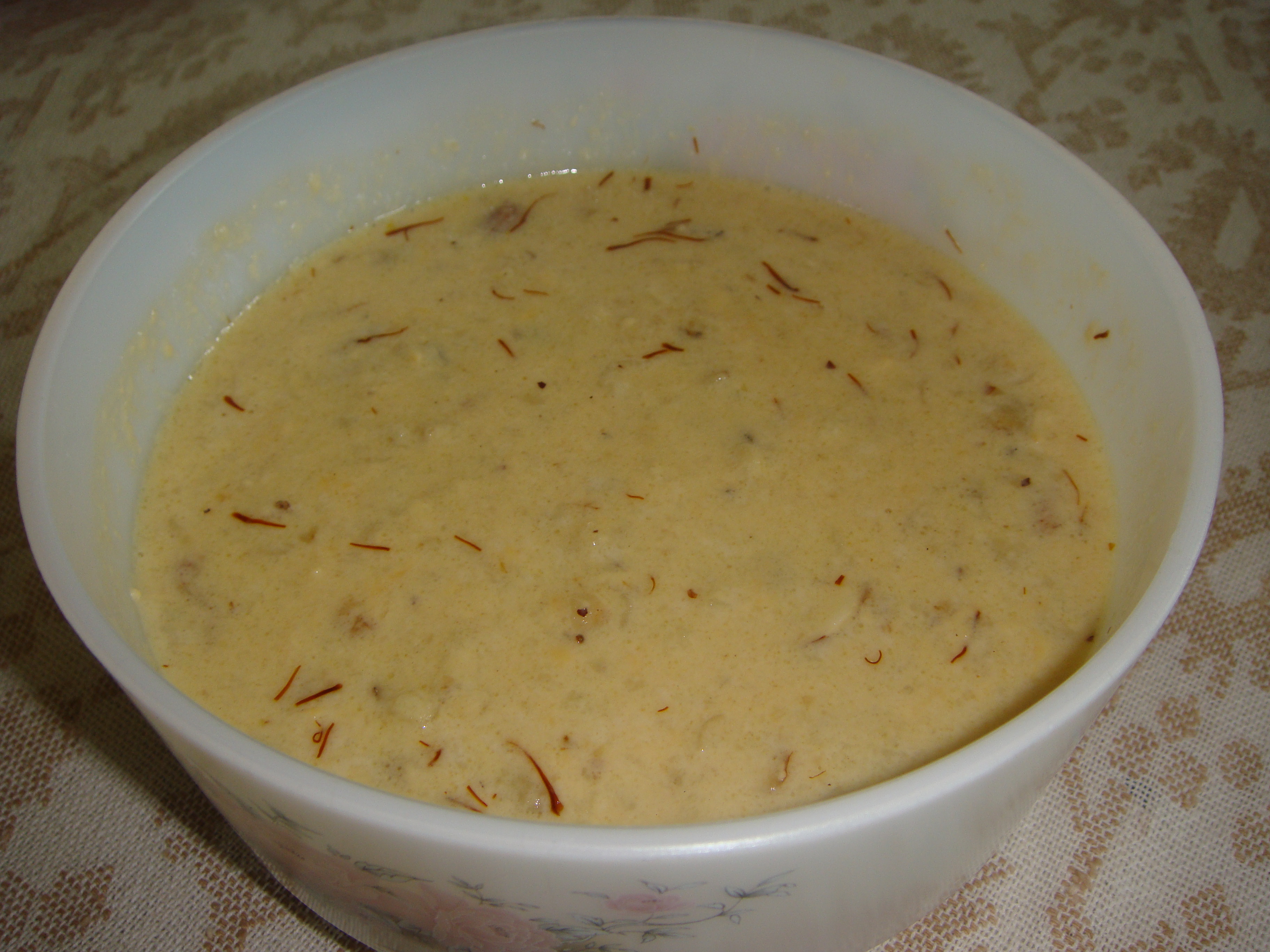
 

Save

Yummy Lauki / bottle gourd

Ghiya Malai

Yummy lauki / ghiya/ bottle gourd Ki Sabzi

Hi friends ! Bottle gourd, also called lauki / Ghiya or /doodhi, is a vegetable that is probably known in India for its delicious preparations. Here is a simple, easy to cook and delicious recipe of lauki / ghiya/ bottle gourd / Doodhi . You will try it once, it will remain on your party menu for ever!

Recipe Servings: 4

Recipe Cook Time : 30 minutes

Level: Easy

Course : Main, Vegetable dish

Cuisine : Indian , North Indian

Ingredients:

  • 500 gms lauki / ghiya/ bottle gourd, peeled and cut into small pieces
  • 1 tsp jeera /cumin seeds
  • 1/2 cup milk cream
  • 1/2 tsp Black pepper, freshly ground
  • 1/2 level tsp salt or/ salt to taste
  • 2 tbsp cashew nuts, roasted and ground
  • 2 green chilies, finely chopped
  • 1 tbsp coriander leaves fresh /hara dhania finely chopped
  • 2 tbsp Olive oil

 Method:

 Step 1.

 Heat the oil in a wok / kadahi and add the jeera, when jeera begins to splutter, add the cut Lauki pieces , salt and stir continuously over high flame, till the Lauki cubes looks a bit glossy.

Step 2.

Cover and cook on low flame till lauki is tender, stirring in between a few times.

 Step 3.

Add the cream, ground cashew nuts mix well and cook for two minutes more, till well blended. Serve hot garnished with, black pepper powder, chopped green chilies, coriander leaves with any Indian bread of choice!

Health benefits of Lauki /Ghiya /Bottle gourd:

In fact, traditional healers recommended consumption of this bottle gourd to treat various conditions. Here are some of its benefits you must know.

Aids digestion: People suffering from constipation should eat bottle gourd as it is high in fibre and helps clear the food stuck in your colon. Additionally, juice made out of bottle gourd also helps in the treatment of acidity as it is alkaline in nature [1].

Great for weight loss :Bottle gourd is one of the best foods you can have if you want to lose weight as it is 96% water, and a 100g serving contains as little as 12 calories. The high fibre content will take care of your hunger, and keep you feeling full.

Helps treat urinary disorders: Bottle gourd has a cooling effect on your body, and a glass of bottle gourd juice is a great diuretic that can be used to treat burning sensation while passing urine. This burning sensation is caused due to high levels of acid in the urine, which can be countered by the alkaline nature of bottle gourd juice.

Refreshes you during summers: Just like cucumber, bottle gourd too has a high amount of water which keeps you hydrated during summers. Drinking a glass of its juice will ensure that you do not face loss of sodium, fatigue or extreme thirst while you are out in the sun. This makes it great for people whose jobs require them to travel in daylight.

Prevents heart disease: Unhealthy lifestyles are leading to several cases of heart disease in urban India. So much so that, 70% of the urban population is at risk of heart disease due to wrong lifestyle choices like eating fried and processed foods, smoking, etc. Like a lot of fruits and vegetables, bottle gourd has zero cholesterol and is rich in vitamins like vitamin C and antioxidants making it good for your heart [3].

Reduces stress: It is quite easy to feel stressed in today’s times, and unhealthy eating can only worsen the situation. Bottle gourd has a high water content has a cooling effect on your body which makes you feel better the very moment you take it. It also has diuretic, sedative and antibilious properties which makes your body feel better internally, and keeps stress at bay.

Warning: Even though, bottle gourd is really good for your health, it can sometimes be bad. Bottle gourd juice that tastes bitter can seriously damage your digestive health according to a study published in Indian Journal of Gastroenterology in 2011.

Ref. http://www.thehealthsite.com/fitness/health-benefits-lauki-dudhi-bottle-gourds-sa114/

Nick’s kitchen Medical Disclaimer:

  • Nick’s kitchen is for Vegetarians. It sometimes provides education and support to individuals who want to become vegetarian, or move toward a more vegetarian diet.
  • Nick’s kitchen provides some information on vegetarian and vegan diets to the best of their knowledge and abilities.
  • Nick’s kitchen does not claim to be health care professional, nutritionist, nor does it claims to treat any illness through vegan or vegetarian diet.
  • If you have a medical condition, Nick’s kitchen recommend that you consult your health care professionals before changing your diet.
  • Any changes that you make to your diet, and the results of those changes, are your decision and your responsibility.

Lehsuni Moong Dal

Moong dal Lehsunwali 1

husked Green gram  with garlic

Hi friends! Yellow moong dal is extremely light and easy to digest. It is easier to cook. Moong dal is used for making soups, stews and purees.

 Preparation Time : 10-15 minutes

Cooking time : 5-8 minutes

Servings : 6

Cuisine: North Indian

Course: Dals / lentils

Level Of Cooking: Easy

Ingredients

  • 1 cup husked green gram dal /dhuli moong dal
  • 1 medium size Onion ,finely chopped
  • 12 pods of garlic / lehsun (finely past)
  • 1 “piece Ginger/ adrak, finely grated
  • 1/ 2 tsp Mustard seeds
  • 1 sprig of curry leaves
  • 1/4 tsp Asafetida
  • 1/2 tsp Turmeric
  • 1/2 tsp Red chili powder
  • 1 level tsp Salt / or Salt to taste
  • 500 ml water
  • 2 tbsp Olive Oil/ pure ghee

Method :

Step 1.

Wash well and soak the Moong dal in three glasses of water , keep aside.

Step 2.

Heat oil/ ghee in the pressure cooker, add asafetida, when turns pink, add mustard seeds, starts to splutters add curry leaves. Fry for few seconds (do not let it turn dark brown) .

Step 3.

Add the moong dal with three glasses of water to this seasoning. Add salt, turmeric powder, chili powder and grated ginger to it. Close the lid of the pressure cooker and cook till the full pressure is formed ( after the first whistle, switch of the heat), let it cool.

Step 4.

Heat ghee (clarified butter) in a thick bottom pan, fry onions till golden, put ginger and garlic paste, fry for a few minutes.

Step 5.

Add this seasoning to the dal and mix well.

Step 6.

Serve hot with boiled rice, pulaows or geera rice and all the Indian breads.

Note: Moong dal is cooked in many different ways in India. This recipe with the goodness of garlic/ lehsun is very simple, delicious and with a garlic flavor.

Possible health benefits of Moong dal:

  • Pulses are low in fat & cholesterol, high in dietary fiber and rich in protein, making them an excellent heart healthy food choice with established health benefits.
  • It is used for making the legendary dal tadka and dal fry.
  • It is eaten on a regular basis in every indian household in combination with rice and vegetables. Moong dal is a dieter-friendly dal rich in iron and potassium. Iron helps maintain haemoglobin levels and potassium helps reduce blood pressure, a boon for hypertensive people.
  • It is extremely light and can be easily eaten when you fall ill and even by pregnant women.

Nick’s kitchen medical Disclaimer:

  • Nick’s kitchen is for Vegetarians. It sometimes provides education and support to individuals who want to become vegetarian, or move toward a more vegetarian diet.
  • Nick’s kitchen provides some information on vegetarian and vegan diets to the best of their knowledge and abilities.
  • Nick’s kitchen does not claim to be health care professional, nutritionist, nor does it claims to treat any illness through vegan or vegetarian diet.
  • If you have a medical condition,Nick’s kitchen recommend that you consult your health care professionals before changing your diet.
  • Any changes that you make to your diet, and the results of those changes, are your decision and your responsibility.

Lentil/Dal Appams

Khara appam 3

Hi friends! In all, five assorted husked dals / lentils are used for making these appams.  On fermenting this batter provides very soft appams. Makes a very nutritious and delicious breakfast or healthy snack.

Ingredients:

  • 1/4 cup Black gram dal husked
  • 1/4 cup Moong dal husked
  • 1/4 cup Bengal gram dal /chanadal
  • 1/4 Toor dal
  • 1/4 cup Masoor dal
  • 1/4 cup Raw rice or rice flour
  • 1 tsp Fenugreek seeds (methi)
  • 2-3 Green chili
  • 4 tbsp curry leaves , finely chopped
  • 1/4 level tsp Asafetida powder
  • 1 tsp level salt / or as per taste salt
  • Olive oil for cooking

Method:

Step 1.

Wash the dals /lentils,raw rice (if rice powder is being used then no soaking of raw rice required) very well and soak in water together overnight.

Step 2.

Grind soaked dals / lentils and rice, fenugreek seeds and finely chopped curry leaves, green chilies in a grinder, adding water slowly (use a minimum quantity ), to a thick consistency batter.  Transfer the batter to a mixing bowl, add salt mix well. Keep it for fermenting for 2-3 hours.

Step 3.

Take a table spoon of oil in a pan , heat the oil add asafetida wait for a few seconds for it to turn pink, switch of the stove. Add this tempering to the batter. Mix rice flour (if no previously soaked raw rice added), and salt in the dal batter, and mix well. Keep it aside for few minutes.

Step 4.

Place an appam skillet applying  or spraying oil to all the moulds of the skillet.  When heated, fill in all the moulds of the skillet one by one and cover the skillet with a lid.

Step 5.

After few minutes check if appams are cooked by inserting in a knife in the appams, if it comes out clean, appams are ready on one side. Flip each appam to cook till golden on the reverse side, spraying or adding a drop of oil to each mold.

Step 6.

Serve hot with coconut chutney.

Health benefits of Lentils / Dals :

Lentils / dals are higher in fiber content, extremely rich in soluble fiber, which helps the digestive system.

Lentils prove to be significant for a healthy heart as they prevent heart coronary problems. It also helps in eliminating and reducing blood cholesterol levels. Besides fiber which contributes to the health of the cardiovascular system, lentils contain folic acid and magnesium, significant for reducing the level of homocysteine, a compound known to be dangerous for the heart and artery walls. Also, lentils promote better blood flow and passage of oxygen and nutrients to the organs.

The soluble fiber in lentils has the property of trapping carbohydrates. It slows down the digestion and absorption process, hence preventing major changes in blood sugar level throughout the day. This helps diabetic patients.

Lentils are rich in flavones, a class of antioxidants with antioxidant properties.

Lentils increase energy levels by replenishing iron reserves in the body.

Ref. http://nutrition.indobase.com/articles/lentils-nutrition.php

Nick’s kitchen medical Disclaimer:

  • Nick’s kitchen is for Vegetarians. It sometimes provides education and support to individuals who want to become vegetarian, or move toward a more vegetarian diet.
  • Nick’s kitchen provides some information on vegetarian and vegan diets to the best of their knowledge and abilities.
  • Nick’s kitchen does not claim to be health care professional, nutritionist, nor does it claims to treat any illness through vegan or vegetarian diet.
  • If you have a medical condition,Nick’s kitchen recommend that you consult your health care professionals before changing your diet.
  • Any changes that you make to your diet, and the results of those changes, are your decision and your responsibility.

Save

Coconut Chutney

Coconut chutney NG 1

Chutney (also chatney or chatni) is a family of condiments associated with South Asian cuisine made from a highly variable mixture of spices, vegetables, or fruit.As with other condiments such as relish or mustard, chutneys are based on a wide range of recipes and preparation methods, they vary widely by geography, they can range from a wet to dry or coarse to fine and they can be combined with a wide variety of foods or used for dipping.The word “chutney” derives from the Sanskrit word caṭnī, meaning to lick.

(Coconut curry leaves Chutney)

Prep time: 10 minutes

Recipe type: Chutney

Cuisine: south Indian

Main Ingredients:

  • 2 cups grated fresh coconut
  • ¼ cup roasted chana dal / bengal gram dal
  • 1/2 cup fresh Curry leaves
  • 3 green chilies, chopped
  • 2/3 tsp salt / or as required

Instructions:

Step 1.

Put fresh coconut, roasted chana dal , Curry leaves , green chillies, salt, in a grinder and blend the ingredients to a smooth chutney. Remove the chutney into a bowl from the grinder jar.

Step 2.

Serve the coconut chutney with idlies, dosas,Chana dal vada or uttapams etc.

Note: Refrigerate for one or two days and use as required

Coconut Chutney

Coconut chutney NG 1Basic Coconut Chutney

Hi friends! Chutney (also chatney or chatni) is a family of condiments associated with South Asian cuisine made from a highly variable mixture of spices, vegetables, or fruit.As with other condiments such as relish or mustard, chutneys are based on a wide range of recipes and preparation methods, they vary widely by geography, they can range from a wet to dry or coarse to fine and they can be combined with a wide variety of foods or used for dipping.The word “chutney” derives from the Sanskrit word caṭnī, meaning to lick.


Prep time: 10 minutes

Recipe type: Chutney

Cuisine: south Indian

Main Ingredients:

  • 2 cups grated fresh coconut
  • ¼ cup roasted chana dal / bengal gram dal
  • 1/2 cup fresh Curry leaves
  • 3 green chilies, chopped
  • 2/3 tsp salt / or as required

Instructions:

Step 1.

Put fresh coconut, roasted chana dal , Curry leaves , green chillies, salt, in a grinder and blend the ingredients to a smooth chutney. Remove the chutney into a bowl from the grinder jar.

Step 2.

Serve the coconut chutney with idlies, dosas,Chana dal vada or uttapams etc.

Note: Refrigerate for one or two days and use as required

Health Benefits of Coconuts:

  • Lower cholesterol
    • Improve digestion
    • Ward off wrinkles
    • Stabilize glucose levels
    • Fight off viruses
    • Build cells
    • Regulate hormones
    • Increase thyroid production
    • Lose weight
    • Increase metabolism
    • Fight infections
    • Stave off memory loss
    • Kill bacteria
    • And more!

Ref. http://undergroundhealthreporter.com/coconut-health-benefits/

Nick’s kitchen medical Disclaimer:

  • Nick’s kitchen is for Vegetarians. It sometimes provides education and support to individuals who want to become vegetarian, or move toward a more vegetarian diet.
  • Nick’s kitchen provides some information on vegetarian and vegan diets to the best of their knowledge and abilities.
  • Nick’s kitchen does not claim to be health care professional, nutritionist, nor does it claims to treat any illness through vegan or vegetarian diet.
  • If you have a medical condition,Nick’s kitchen recommend that you consult your health care professionals before changing your diet.
  • Any changes that you make to your diet, and the results of those changes, are your decision and your responsibility.
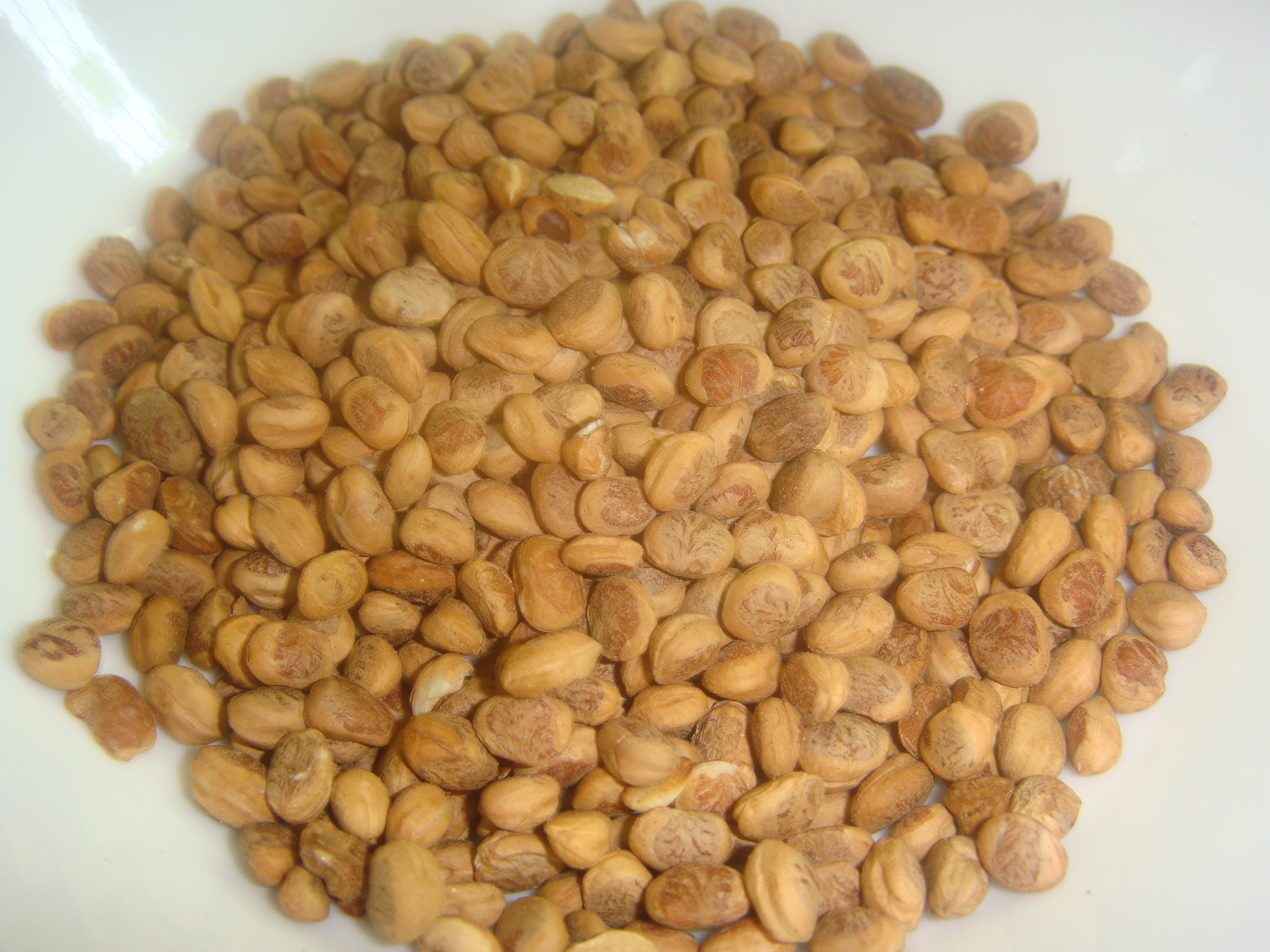
Coriander Chutney

Coriander Chutney NG 1

Hi friends! Very delicious and easy coriander chutney that goes well with stuffed parothas or snacks or can be used as spread . Try to make Coriander chutney with onions following this easy recipe.

Total time: 10 minutes

Recipe type: sides

Making time: 2 minutes

Cuisine: North Indian

Serves: 6-8

Ingredients:

  • 1 1/2 cup tightly packed, coriander leaves/dhania, finely chopped
  • 1 medium size onion, finely chopped
  • 3 green chilis, chopped
  • 1 small marble size tamarind / Imali, seeded
  • 1 level tsp salt / or as taste
  • 1/4 cup water

Method:

Step 1.

Take coriander, wash it very well and chop it, and keep aside.

Step 2.

Peel, wash and chop the onion, green chilis and tamarind. Put all these ingredients along with salt and 1/4 cup of water in a grinder.

Step 3.

Grind all the ingredients with water till smooth. Refrigerate till required.

Note:  There are many variations of coriander chutney. This versions of coriander chutneys is basic. It goes very well with all Indian snacks and sandwitches.It can be stored for 8-10 days in the refrigerator.

Health Benefits of Coriander:

•Cilantro is also used to prevent and treat infections caused by bacteria and fungus.
•Cilantro is rich in minerals that may be valuable in maintaining overall health. Cilantro leaves  are rich in calcium, potassium, manganese, magnesium and iron. Research has shown that low potassium is associated with a risk of high blood pressure, heart disease, stroke, arthritis, cancer, digestive disorders, and infertility. While iron is essential for red blood cell production. Calcium and manganese is essential in treating and preventing weak bones (osteoporosis) and can help reduce spinal bone loss in older women.
•Cilantro seed oil has a reputation in many traditional medicines as an anti-inflammatory agent, an analgesic, anti-diabetic, anti-spasmodic, carminative, digestive, fungicidal, and has cholesterol-lowering effects. These health benefits are due to the abundance of phytonutrients found in Cilantro’s volatile oils, these include carvone, geraniol, limonene, borneol, camphor, elemol, and linalool.
•Cilantro is also rich in flavonoids that are considered antioxidants, these include quercitin, kaempferol, rhamnetin, and epigenin. Cilantro also contains active phenolic acid compounds, including caffeic and chlorogenic acid.
•Cilantro contains natural antibacterial compound called dodecenal that is safe and effective against Salmonella, a deadly bacteria that is the cause of foodborne illness.
•Cilantro leaves have sufficient antioxidants, phytonutrients and fibers that actually help in maintaining good level of HDL – known as good cholesterol while reducing the LDL level. – the bad cholesterol.
•Cilantro is also beneficial in maintaining good skin and mucus membrane because it is rich in folic-acid, riboflavin, niacin, vitamin-A, beta carotene and vitamin-C.  The rich vitamin A is important in protecting the vision, lungs and other vital organs.
 Nick’s kitchen medical Disclaimer:
  • Nick’s kitchen is for Vegetarians. It sometimes provides education and support to individuals who want to become vegetarian, or move toward a more vegetarian diet.
  • Nick’s kitchen provides some information on vegetarian and vegan diets to the best of their knowledge and abilities.
  • Nick’s kitchen does not claim to be health care professional, nutritionist, nor does it claims to treat any illness through vegan or vegetarian diet.
  • If you have a medical condition,Nick’s kitchen recommend that you consult your health care professionals before changing your diet.
  • Any changes that you make to your diet, and the results of those changes, are your decision and your responsibility.
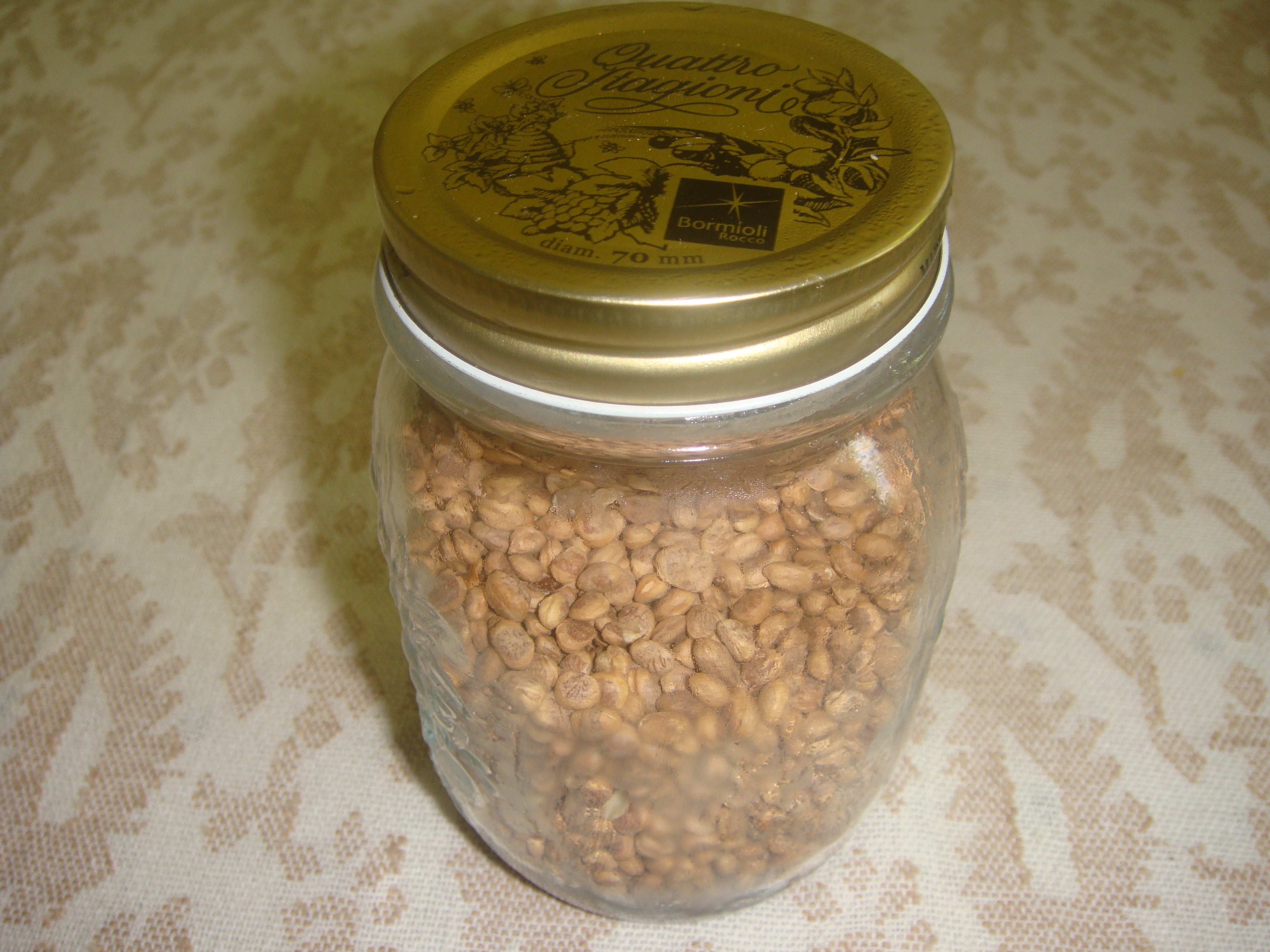
 

Save

Tamarind chutney

Tamarind chutney.JPGTamarind / Imli Saunth /chutney

Hi friends! This unusual sweet and sour chutney is the authentic sweet and tangy Tamarind Chutney/saunth with soaked tamarind / imli blended with spices.

Preparation Time : 30-45 minutes

Cooking time : 25-30 minutes

Servings : 4

Ingredients:

  • 200 gms tamarind /Imali seeded
  • 300 gms jaggery / Gur broken into small pieces
  • 1 tsp Salt /or salt to taste
  • 1 tsp black Rock Salt / Kala Namak (black Rock Salt powdered),
  • 1 tsp Sounth / ginger powder
  • ¼ tsp Black pepper powder / Kali mirch powder
  • ¼ tsp Red Chili powder
  • 2 tsp  Roasted cumin /Jeera Powder
  • 2 tbsp dry dates, cut into small pieces
  • 1 tbsp kishmish
  • 4 1/2  – 5 cups water

Method:

Step 1.

Soak the tamarind in four cups of water for two- three hours. Mash well and then strain into a pulp. Keep aside.

Step 2.

Add water to the tamarind pulp to thin it down to a pouring consistency.

Step 3.

Add the jaggery / Gur, table salt, black salt, Sounth / ginger powder, Black pepper powder, Red Chili powder, roasted cumin /Jeera Powder  dry dates, and kishmish.

Step 4.

Cook  on medium flame till jaggery dissolves completely and the chutney gets little thick(not too thick).

Step 5.

Turn off flame and allow it to cool at room temperature.

Step 6.

Transfer prepared sweet and sour tamarind chutney to airtight container and store in refrigerator for up to one month for anytime use.

Note:  This Chutney thickens more on cooling so check for consistency while cooking. Tamarind chutney (Imali chutney/ saunth), a delicious sweet and sour  sauce, goes very well with almost all Indian snacks. It is a must have chutney / sauce for making delicious pani puri and bhel puri.

Health Benefits of Tamarind:

Digestive Health: Tamarind has long been considered a natural laxative, and its dietary fiber content probably has something to do with it. Eating tamarind as a fruit or as a spice can increase the efficiency of your digestive system, while the fiber can bulk up your stool, making it move through the smooth muscles of the intestinal tract easier.

Heart Health:  The fiber content in tamarind certainly has something to do with the reduction in cholesterol, since it is known to scrap excess LDL cholesterol from the veins and arteries. The potassium in tamarind may be responsible for the reduction in blood pressure, since it is known as a vasodilator that reduces the stress on the cardiovascular system. The impressive level of vitamin C in tamarind also may have something to do with it as well, since vitamin C is an antioxidant compound that can reduce the impact of free radicals, those pesky byproducts of cellular metabolism that have been linked to heart disease and a number of other health conditions.

Circulation: Tamarind is a very good source of iron, and a single serving can provide more than 10% of your daily requirement. A healthy supply of iron in the body guarantees the proper red blood cell count in the body, which can ensure appropriate oxygenation of different muscles and organs that need oxygen to function properly.

Nerve Function: One of the most significant vitamin elements of tamarind is the B complex. Thiamine, one of the most important parts of that vitamin family, is found in high quantities within tamarind. Thiamine is responsible for improving nerve function, as well as muscle development, which can help you remain active, maintain your reflexive, and stay strong.

Weight Loss: One of the unique compounds that can be extracted from tamarinds or gained as a benefit from it when used as a spice is called hydroxycitric acid (HCA). HCA is connected to weight loss because it has been shown to inhibit an enzyme in the body that specifically helps store fat.

Manage Diabetes: Along with its ability to stop weight gain, inhibiting that enzyme, alpha-amylase mainly stops carbohydrates from being absorbed, which are easily converted to simple sugars or fats.

Anti-Inflammatory Capacity: The essential oils of tamarind have been connected to a number of anti-inflammatory abilities, including the reduction of joint pain and inflammation, arthritis, rheumatic conditions, and gout.

Immune System: High levels of vitamin C, as well as other antioxidant effects in the essential oils make tamarind a wonderful way to boost your immune system and ensure long-term health from microbial and fungal infections. It also reduces the occurrence of parasites in the body due to its antiseptic and antimicrobial effects. It has specifically been linked to eliminating stomach worms in children in tropical areas where tamarind in cultivated.

A Few Words of Caution: The main concern is that tamarind lowers blood pressure and is a blood thinner, so it can be difficult to reduce bleeding in case something happens. If you are taking aspirin or other blood thinners, be careful if you ingest an excessive amount of tamarind.

Ref.https://www.organicfacts.net/health-benefits/herbs-and-spices/tamarind.html

Nick’s kitchen medical Disclaimer:

  • Nick’s kitchen is for Vegetarians. It sometimes provides education and support to individuals who want to become vegetarian, or move toward a more vegetarian diet.
  • Nick’s kitchen provides some information on vegetarian and vegan diets to the best of their knowledge and abilities.
  • Nick’s kitchen does not claim to be health care professional, nutritionist, nor does it claims to treat any illness through vegan or vegetarian diet.
  • If you have a medical condition,Nick’s kitchen recommend that you consult your health care professionals before changing your diet.
  • Any changes that you make to your diet, and the results of those changes, are your decision and your responsibility.


Mooli Paratha

Muli parantha

 Mooli / Radish stuffed Parathas

Hi friends! For stuffed paranthas/Indian flat bread, the flour used is finely ground wholemeal flour/atta and the bread/parantha is shallow fried. Perhaps the most common stuffing for parathas is mashed, spiced potatoes /aloo ka parantha, vegetables, followed perhaps by dals /lentils.

Preparation Time : 15-20 minutes

Cooking time : 10-15 minutes

Cuisine : North Indian / Punjabi

Servings : 4

Ingredients :

  • 2 medium size White radish/ Mooli
  • 2 cups whole wheat flour (atta)
  • 2 tbsp finely chopped fresh coriander leaves
  • 2 Green chilli (finely chopped)
  • 1/2 tsp ajwain / carrom seeds
  • 1 tsp roasted and powdered geera seeds / cumin seed
  • 1/4 tsp Red chilli powder
  • 1 tsp salt / or Salt to taste
  • 2-3 tbsps pure ghee / olive oil for shallow frying

Method :

Step 1

Take two cups whole wheat flour in a bowl, mix water , little at a time. Add enough water to make a firm dough ,not too soft not too hard. Keep aside, covered for fifteen to twenty minutes.

Step 2

Wash, peel and grate the Radish in a bowl. Take a muslin cloth, put the grated radish on it and tightly twist the cloth to squeeze out all the juice. Keep the dry radish gratings in a mixing bowl.

Step 3

Add the grated radish, finely chopped coriander leaves , carom seeds, green chilies, cumin powder, red chili powder and salt . Mix all the ingredients well.

Step 4

Divide dough in medium-sized balls, roll out each ball into a medium thick chapatti using dry flour for dusting.

Step 5.

Put  two tablespoons of the radish mixture in the middle of the rolled chapatti and close from all sides. press on your palm.

Step 6.

Sprinkle a little flour on top, and roll the stuffed dough gently, taking care not to break it. Heat a tawa /Griddle and cook the parathas.

Step 7.

Shallow fry both sides to golden brown , using a little ghee. Serve hot with a blob of butter. A bowl of curd / yogurt and fresh coriander chutney/ chili pickle is a good accompaniment.

Health Benefits of Mooli / Radish:

Radishes, popularly known as mooli in India, might not top the list of your favourite vegetables but when it comes to nutrition and health benefits they definitely secure a top rank among all other vegetables. Eat them raw or add them to your healthy vegetable recipe, these nutrition-loaded root vegetables have numerous benefits to offer. Here are top 10 benefits you’ll be surprised to know.

  1. Lowers cancer risk: Radish contains phytochemicals and anthocyanins that have anti-carcinogenic properties. Additionally, they have vitamin C that acts as a powerful antioxidant to prevent free radical damage to the DNA inside the cells, thus helping cancer prevention.
  2. Regulates blood pressure: Radish has anti-hypertensive properties that help regulate control high blood pressure. Radish is rich in potassium that helps maintain the sodium-potassium balance in the body, keeping blood pressure under control.
  3. Good for diabetics: Insulin, a hormone secreted by the pancreas is responsible in the absorption of glucose. Diabetics are either unable to absorb the insulin their body produces or unable to produce insulin at all. Because of this, they cannot eat sugary or starchy foods. High in fibre, and with a low glycemic index, diabetics can enjoy radish as it doesn’t cause blood sugar levels to rise.
  4. Beats cold and cough: If you’re prone to constant cough and cold, it might be a good idea to include radish in your diet. The vegetable has anti-congestive properties which helps in clearing the mucus formed in your throat. Additionally, radish also improves your immunity which keeps infections that lead to cold and cough at bay!
  5. Helps you recover from jaundice: Radish is powerful when it comes to eliminating toxins. This helps keep your liver and stomach in mint condition. What makes radish effective in controlling jaundice is that it helps regulate the amount of bilirubin in the blood and increases the oxygen supply within the body. This helps keep a check on the destruction of red blood cells caused by jaundice.
  6. Fights constipation: Most people will have battled constipation in their life and it is definitely not a pleasant condition to be in. Radish has a high fibre content which helps clear the food stuck in your colon. Additionally, it helps facilitate the secretion of digestive juices and bile which again is good for your digestive system.
  7. Helps with weight loss: Radish is extremely low in calories, and the fibre content in it promotes satiety. A single 100g serving of raw radish contains just 16 calories, radish can be a part of any weight loss diet.
  8. Good for asthma patients: Radish has anti congestive properties that make them extremely beneficial for asthmatic patients. It also fights allergies of the respiratory system and protects the respiratory linings against infections.
  9. Keeps the kidneys healthy: The natural diurectic property of radishes makes them extremely good for improving kidney health. They help elimination of toxins from the body, acting as a natural cleanser.

Ref. http://www.thehealthsite.com/fitness/health-benefits-of-radish/

Nick’s kitchen medical Disclaimer:

  • Nick’s kitchen is for Vegetarians. It sometimes provides education and support to individuals who want to become vegetarian, or move toward a more vegetarian diet.
  • Nick’s kitchen provides some information on vegetarian and vegan diets to the best of their knowledge and abilities.
  • Nick’s kitchen does not claim to be health care professional, nutritionist, nor does it claims to treat any illness through vegan or vegetarian diet.
  • If you have a medical condition,Nick’s kitchen recommend that you consult your health care professionals before changing your diet.
  • Any changes that you make to your diet, and the results of those changes, are your decision and your responsibility.
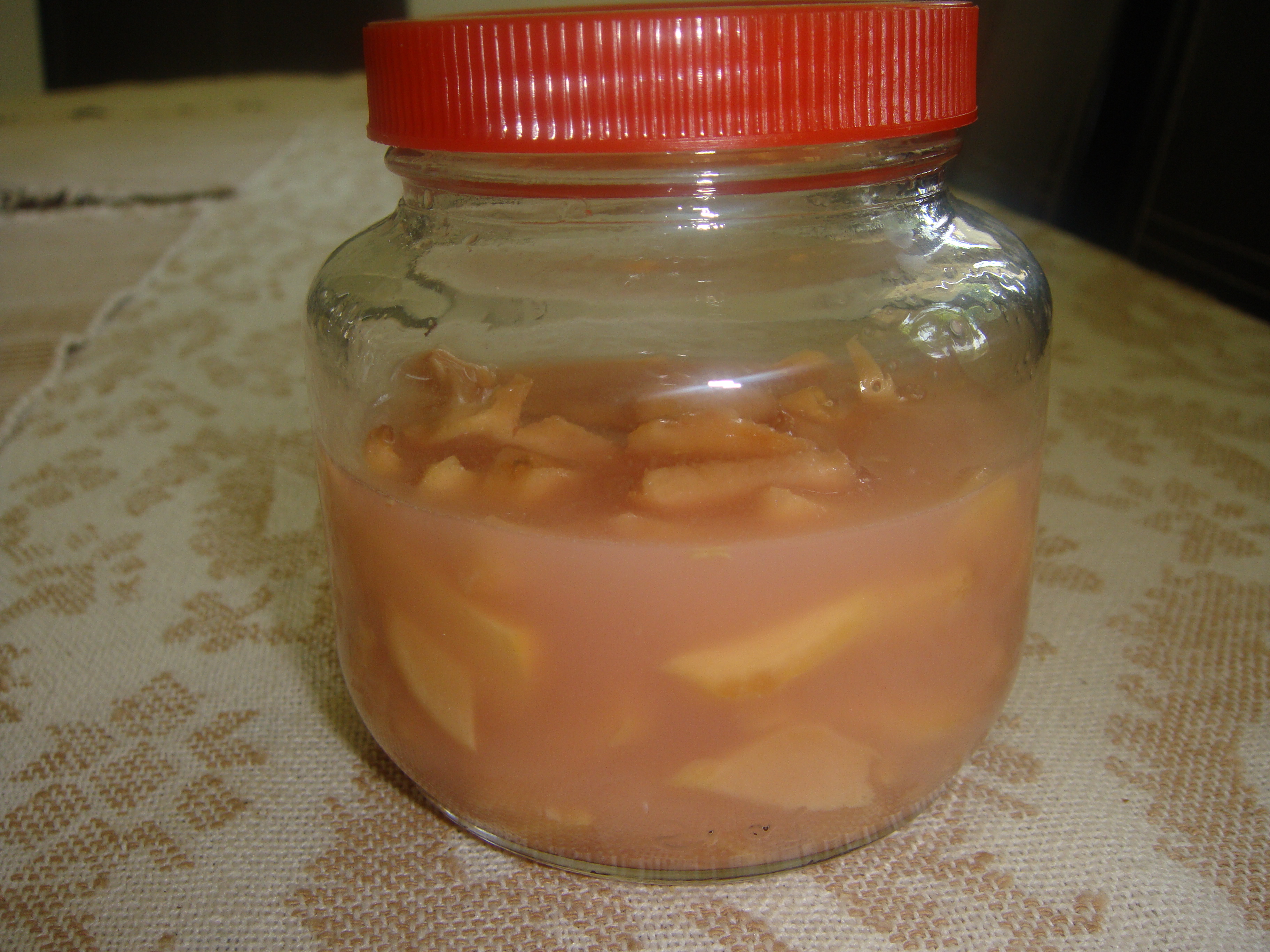
Save

Cheese Kebabs

Cheese Kebabs

Nutrients in Cheese

Cheese is produced throughout the world; it is an ancient food with origins that predate recorded history. It is a dairy product made from pressed milk curds. Different varieties are made from unripened (fresh) cheese or ripened (aged) cheese.

Cheese is a delicious and nutritious food that is very versatile. You can add it to other dishes or eat it by itself. It’s convenient and portable. There are more than 300 varieties of cheese—including American, Cheddar, Mozzarella and Colby—many of which are available in various flavors, forms (chunks, slices, cubes, shredded, grated, crumbled, sticks, spreads) and packages to meet consumers’ needs.

Hi friends!The Healthy Cheese Kebabs recipe makes a perfect appetizer to make for the cold winter parties or tea time snack for the monsoons. These Kebabs with bread slices are  flavored with garlic, gingers, green chillies and coriander leaves. The Kebabs are deep fried and you can use your Air frier making them healthy and super delicious as well.…

Ingredients:

  • 6 White Bread slices
  • 4 Cheese cubes (Amul)
  • 5-6 pods Garlic (finely ground to paste)
  • 2 Green chilies, ground to paste
  • 1” Ginger (finely grated)
  • 1 tbsp coriander leaves, finely chopped
  • 1 level tsp Salt / or salt to taste
  • Cooking Oil for deep frying

Method:

 Step 1.

 Soak bread slices in water until completely moist. Hold the moist bread slices in the palm of your hand and thoroughly drain all the water out. Keep aside.

Step 2.

Grate the cheese and ginger. Mash the bread in a mixing dish.

Step 3.

 Add grated cheese, garlic paste, grated ginger, green chili paste, coriander leaves and salt, mix well. Knead like a dough gently.

Step 4.

Make small balls out of the mixture, press them between your palms gently, deep fry in hot oil on medium flame. Drain on a paper kitchen towel.

Step 5.

Serve hot cheese kebabs with coriander chutney.

Note: Cheese quantity can be slightly increased or reduced as per individual’s taste while making these delicious kebabs.

Health Benefits of Cheese:

Cheese contains a host of nutrients like calcium, protein, phosphorus, zinc, vitamin A and vitamin B12. Calcium is one of the nutrients most likely to be lacking in the American diet. According to government statistics, nine out of 10 women and six out of 10 men fall short of calcium recommendations. The high-quality protein in cheese provides the body with essential building blocks for strong muscles. For a complete listing of the nutrients in cheese, see the table below.

If you are lactose intolerant, many cheeses, particularly aged cheeses such as Cheddar and Swiss, contain little or no lactose and are often well tolerated.

For the past 30 years or so, saturated fat—found in meats, eggs, cheese, butter, whole milk, lard and some oils—was considered a primary cause of heart disease. New research, however, is showing that saturated fat has a minimal impact on heart disease risk, which is changing the “saturated fat is bad” paradigm and allowing people to enjoy more cheese and other favorite foods. Further research is needed showing significant scientific agreement.

Even if saturated fat is less of a concern, calories still matter. To reduce calories, you can grate or sprinkle harder cheeses over your dishes or use small amounts of aromatic and sharp cheeses for their delicious cheese flavor. Many reduced-fat varieties of cheeses are also available. This 2014 article in the Food and Nutrition Magazine provides more information on the Charms and Challenges of Cheese.

The 2010 Dietary Guidelines for Americans recommend that individuals ages 9 and older consume at least 3 servings of milk, cheese or yogurt each day; children aged 4-8 years need 2-1/2 cups per day. One serving of cheese is one and one-half ounces of hard cheese, one-third cup for grated cheese and two ounces for processed cheese.

Ref. http://www.healthyeating.org/Milk-Dairy/Nutrients-in-Milk-Cheese-Yogurt/Nutrients-in-Cheese.aspx

Nick’s kitchen medical Disclaimer:

  • Nick’s kitchen is for Vegetarians. It sometimes provides education and support to individuals who want to become vegetarian, or move toward a more vegetarian diet.
  • Nick’s kitchen provides some information on vegetarian and vegan diets to the best of their knowledge and abilities.
  • Nick’s kitchen does not claim to be health care professional, nutritionist, nor does it claims to treat any illness through vegan or vegetarian diet.
  • If you have a medical condition,Nick’s kitchen recommend that you consult your health care professionals before changing your diet.
  • Any changes that you make to your diet, and the results of those changes, are your decision and your responsibility.

Quinoa with Vegetables


Quinoa NG 1

Cooking time: 15-20 minutes

Level : Easy

Category: Healthy Breakfast

Serves: 4-5

Ingredients:

  • 1 cup Quinoa
  • 2  cups water
  • 3 medium size onions finely chopped
  • 1/2 cup French beans finely chopped
  • 1/2 cup Broccoli florets cut into small pieces
  • 1/2 cup green peas shelled
  • 1/2 cup carrots finely cubed
  • 1/2 cup green bell pepper/ capsicum, finely chopped
  • 4 cloves of garlic finely chopped
  • 1 tbsp dried watermelon seed kernels
  • 1 level tsp salt / or salt to taste
  • 1/2 cup Almonds, sliced
  • 1 tbsp lemon juice
  • 3 tbsp Olive oil

Method:

Step 1.

Take a sauce pan put Quinoa in it, add water, on high flame bring it to boil, reduce the heat to low flame until water is absorbed and quinoa looks a bit like sprouts. Keep aside.

Step 2.

Take all the chopped vegetables but for capsicum, in the pressure cooker, add 1/4 cup water and 1/2 tsp of salt in   the cooker. (After One whistle switch off the heat). Cool it, and keep the steamed vegetables aside.

Step 3.

Take a kadahi / wok, heat olive oil in it, add onions and sauté onions till light golden. Add chopped green bell pepper/ Capsicum, sliced almonds,watermelon seed kernels, fry for few more minutes.

Step 4.

To the fried onions, green bell pepper/ capsicum, add all the steamed vegetables, sauté for few minutes.

Step 5.

Add ,cooked Quinoa, salt to the sautéed vegetables , add juice of lemon, mix well.

Step 6.

Serve  hot  for a delicious and very healthy breakfast !


Sweet Lassi/ yogurt drink

 Yogurt drinks are popular the world over. In India, it is known as Lassi, a thick, creamy, delicious concoction, either sweet or lightly spiced prepared with yogurt/curd.

Hi friends! Sweet lassi is a delicious summertime drink that, if taken when the sun is at its peak, keeps you cool. It is also fortifying with its protein and calcium content. You can make sweet lassi in a variety of different ways using the same basic curd stock. Here is how to make sweet lassi. This is the basic sweet lassi.

Preparation Time : 2-3 minutes

Cooking Time : 1 minute

Serves : 2

Recipe Cuisine: North Indian

Ingredients:

  • 2 cups Curd/Yogurt
  • 2 tbsp Sugar
  • 1/2 cup Chilled Milk
  • 1/2 cup crushed ice cubes

Method:

Step 1.

Put the curd in a blender, add milk and crushed ice cubes. Add sugar, Cardamom powder.

Step 2.

Whisk the ingredients well in the blender. Serve chilled and frothy, this very refreshing beverage.

Note: You can enhance/enrich the flavor further by topping with a dollop of cream.

Health Benefits of sweet Lassi/ yogurt drink:

  • Lassi, derived from curds, is full of calcium, vitamin D, A and proteins.
  • Lassi also has lactobacillus.
  • According to ayurveda curds are heavy to digest but lassi is lighter to digest.
  • Lassi also keeps you cool in summer.
  • Lassi is said to promote digestion.
  • You can enjoy sweet lassi after lunch but keep in mind not to lunch too heavily!
  • Lassi is filling and you can drink only one big, tall glass and avoid lunch, thus helping you stay fortified while keeping weight in control.

Ref. https://www.nuskhetips.com/articles/benefits-of-lassi-for-your-health

Nick’s kitchen medical Disclaimer:

  • Nick’s kitchen is for Vegetarians. It sometimes provides education and support to individuals who want to become vegetarian, or move toward a more vegetarian diet.
  • Nick’s kitchen provides some information on vegetarian and vegan diets to the best of their knowledge and abilities.
  • Nick’s kitchen does not claim to be health care professional, nutritionist, nor does it claims to treat any illness through vegan or vegetarian diet.
  • If you have a medical condition,Nick’s kitchen recommend that you consult your health care professionals before changing your diet.
  • Any changes that you make to your diet, and the results of those changes, are your decision and your responsibility.

Gobi/Cauliflower Pakodas

Pakora Gobhi 3

Gobi/Cauliflower Pakodas

Hi friends ! You have probably heard that the most nutritious foods are the ones that are the most colorful. There are even several fad diets that tell you to avoid any white or colorless food, but don’t write off cauliflower and other white veggies just yet. Try out this easy tea time, healthy and delicious snack.

Ingredients:

  • 1 medium size Cauliflower , florets separated
  • 2 1/2 cups Besan /Chickpea/ Bengal gram flour
  • 1/2 cup rice flour
  • 1/2 tsp ajwain/ Carom seeds
  • 1/4 tsp baking soda
  • 1 tsp Red chili powder
  • 1 1/2 level tsp Salt/ or salt to taste
  • Water to prepare a thick batter
  • Oil, for deep frying

Method:

Step 1.

Wash the Cauliflower florets very well and soak in water with two table spoons of table salt for two hours at room temperature. (this is essential for disinfecting the florets of invisible bacteria.)

Step 2.

In a mixing bowl take Besan /Chickpea/ Bengal gram flour,rice flour , salt, ajwain / Carom seeds,  baking soda, and red chili powder.

Step 3.

Gradually add water to the besan/Chickpea/ Bengal gram, rice flour and spices mix to make a thick, yet flowing consistency batter.

Step 4.

Meanwhile heat oil in a kadai/ wok for deep frying.

Step 5.

Drop small portion of batter into the hot oil and if it comes to surface of the oil immediately, oil is ready for deep frying.

Step 6.

Take one floret at a time, dip in the batter nicely and gently slid in to the hot oil on medium flame. Put around 5-6 florets at a time. Do not over crowd the kadai / wok with pakodas. Flip them gently in between to let them fry evenly until they are 70 % fried.

Step 7.

Drain the partially fried pakodas onto a kitchen tissue and repeat the same process with the remaining florets to make all the pakodas.

Step 8.

When all the florets are partially fried, press each partially fried pakodas (one by one ) with the rolling pin, gently, and deep fry again to get well cooked, crisp pakodas.

Step 9.

Drain the fried pakodas on paper kitchen towel to drain out extra oil. Serve hot delicious pakodas with Green chutney /Tomato sauce and a cup of Indian masala tea to enjoy this tasty snack !


Possible health benefits of consuming cauliflower:

Cauliflower contains antioxidants and phytonutrients that can protect against cancer, fiber that helps with satiety, weight loss and a healthy digestive tract.

Consuming fruits and vegetables of all kinds has long been associated with a reduced risk of many adverse health conditions.

Many studies have suggested that increasing consumption of plant foods like cauliflower decreases the risk of obesity, diabetes, heart disease and overall mortality while promoting a healthy complexion, increased energy, and overall lower weight.

Cancer

Cauliflower contains antioxidants that help prevent cellular mutations and reduce oxidative stress from free radicals. One of these is indole-3-carbinol or I3C, commonly found in cruciferous vegetables like cabbages, broccoli and cauliflower/ I3C has been shown to reduce the risk of breast and reproductive cancers in men and women.

Digestion

Cauliflower is high in both fiber and water content, which helps to prevent constipation, maintain a healthy digestive tract and lower the risk of colon cancer. Adequate fiber promotes regularity, which is crucial for the daily excretion toxins through the bile and stool, but good digestion is far from all that fiber can do for your body.


Memory

Choline is a very important and versatile “vitamin-like factor” in cauliflower that helps with sleep, muscle movement, learning and memory. Choline also helps to maintain the structure of cellular membranes, aids in the transmission of nerve impulses, assists in the absorption of fat and reduces chronic inflammation.3

Strong bones

Low intakes of vitamin K have been associated with a higher risk for bone fracture and osteoporosis. Adequate vitamin K consumption improves bone health by acting as a modifier of bone matrix proteins, improving calcium absorption and reducing urinary excretion of calcium.

Ref.http://www.medicalnewstoday.com/articles/282844.php

Nick’s kitchen medical Disclaimer:

  • Nick’s kitchen is for Vegetarians. It sometimes provides education and support to individuals who want to become vegetarian, or move toward a more vegetarian diet.
  • Nick’s kitchen provides some information on vegetarian and vegan diets to the best of their knowledge and abilities.
  • Nick’s kitchen does not claim to be health care professional, nutritionist, nor does it claims to treat any illness through vegan or vegetarian diet.
  • If you have a medical condition,Nick’s kitchen recommend that you consult your health care professionals before changing your diet.
  • Any changes that you make to your diet, and the results of those changes, are your decision and your responsibility.


Moong / Green gram Sprouts Salad


Prep time :10 mins

Cook time: 2 mins

Ready in: 12 mins

 Ingredients:   

  • 2 cup Moong sprouts
  • 1 cups finely cut tomatoes
  • 1/2 cup finely cut onions
  • 1 tablespoon lemon juice
  • 1 tbsp Coriander/ Dhaniya leaves , finely chopped
  • 1 teaspoon mustard seed
  • 1/2 tsp salt/ or salt to taste

Method:

Step 1.

Take a pressure cooker put moong sprouts with 1/4 cup of water and 1/4 tsp salt in it. On high flame, as soon as pressure is formed, switch off the stove. Cool it and keep aside.

Step 2.

In a large bowl, gently blend moong sprouts ,the tomatoes, onions ,rest of the salt, sugar, and lemon juice.

Step 3.

Garnish with coriander leaves and serve the salad with main dish.


Black-eyed beans salad


Black-eyed beans/ Lobiya  salad is colorful and delicious salad, with freshly prepared dressing for a tangy flavor. This is a protein rich easy to make salad.

Serves: 6

Ingredients:

  • 1 cup black-eyed beans/ lobhia
  • 1 medium size boiled potato, peeled and cut into very small cubes
  • 1 green pepper / Simla mirch finely cut
  • 100 gms Paneer / Cottage cheese
  • 2 medium size tomatoes seeded and finely chopped , Slice the tomato vertically (from stem top to bottom) into four quarters. Use a sharp knife to carefully slice the seeds away from the tomato flesh. Discard the seeds.
  • 1 cucumber cut finely
  • 1 level tsp salt
  • 1 tbsp finely cut fresh mint leaves
  • 1 tbsp oil

for Salad Dressing:

  • 2 tbsp Virgin olive oil
  • 1 1/2 tbsp lemon juice
  • 1/2 tsp salt
  • 1/4 tsp black pepper
  • 1 tsp cumin seed, roasted and powdered

Method:

Step 1.

Wash and soak the black-eyed beans/ lobiya over night.

Step 2.

Pressure cook the black-eyed beans/ lobiya with salt and water on full flame, as the pressure forms, reduce to low flame for twenty minutes. Switch off the stove, let it cool naturally. In a strainer, strain the lobiya and keep aside in a mixing bowl.

Step 3.

Take a kadhai / wok heat the oil on medium flame. Add boiled black-eyed beans, Paneer/ Cottage cheese and potatoes. Stir-fry for few minutes. Switch off the stove, cool the mixture to room temperature.

Step 4.

Add to fried black-eyed beans, paneer and potatoes, cut tomatoes , cucumber and green pepper, mix well.

Step 5.

Mix all the salad dressing ingredients together. Add the salad dressing to the salad and mix well.

Step 6.

Garnish with the finely cut fresh coriander/ dhaniya leaves, Serve with main course.

Possible Health benefits of black eyed beans:

As Black eyed beans/ Lobiya are fiber rich, they help in keeping the digestive system healthy. The beans have no cholesterol. Black eyed beans/ Lobiya are beneficial for heart as they contain the required fiber, necessary flavonoids and as they are low in calories and fat, make a good ingredient of a weight loss diet plan. This legume is rich in antioxidants. Antioxidants are known to fight free radical damage in the body and protect from cancer.

Nick’s kitchen medical Disclaimer:

  • Nick’s kitchen is for Vegetarians. It sometimes provides education and support to individuals who want to become vegetarian, or move toward a more vegetarian diet.
  • Nick’s kitchen provides some information on vegetarian and vegan diets to the best of their knowledge and abilities.
  • Nick’s kitchen does not claim to be health care professional, nutritionist, nor does it claims to treat any illness through vegan or vegetarian diet.
  • If you have a medical condition,Nick’s kitchen recommend that you consult your health care professionals before changing your diet.
  • Any changes that you make to your diet, and the results of those changes, are your decision and your responsibility.
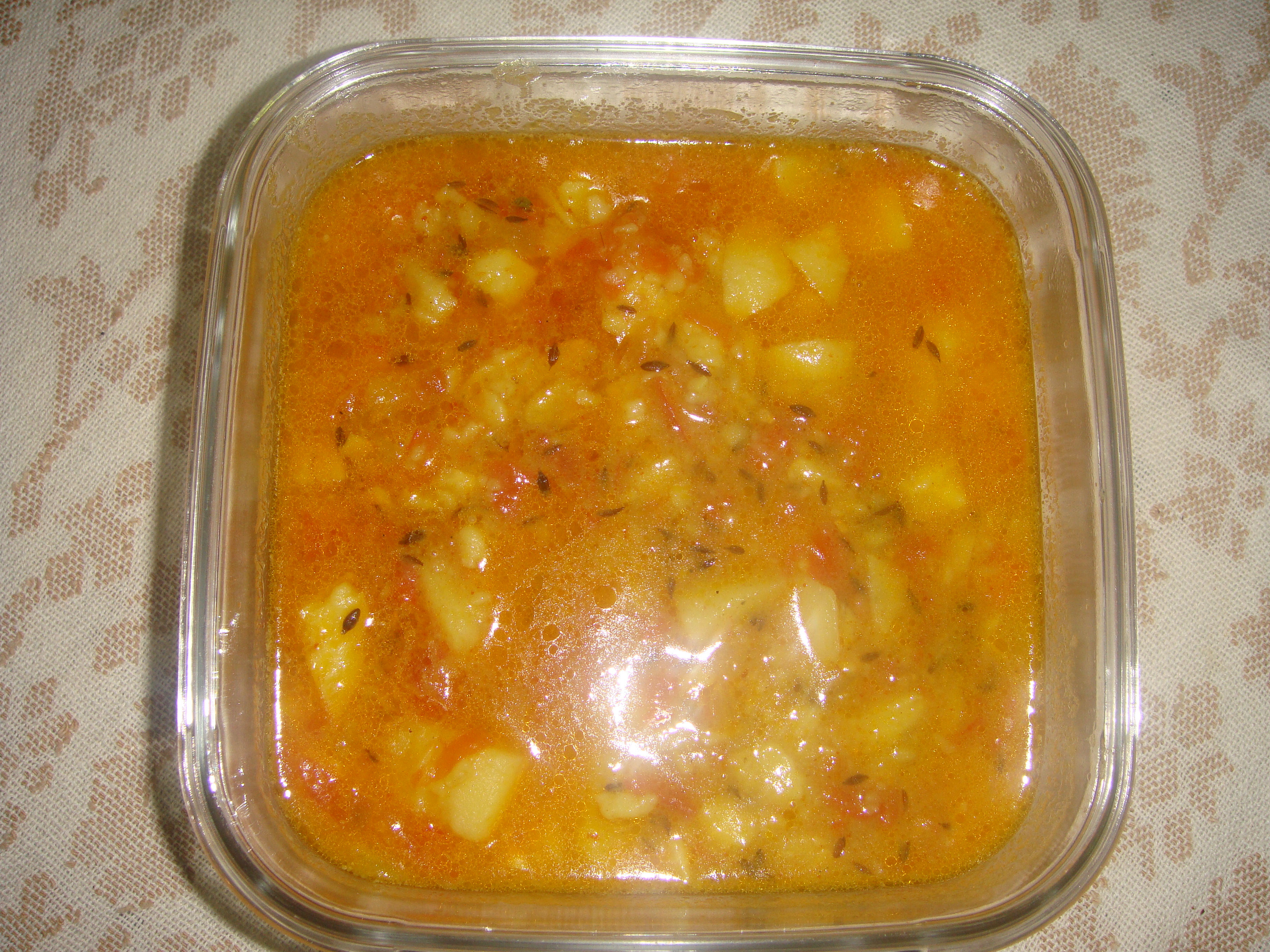


Salad Delight


A delicious salad made with diced vegetables and hung curd sauce dressing.

Servings: 4-6

Cook time: 30 minutes

Ingredients salad:

  • 1/2 cup shelled peas
  • 1/2 cup carrots ,peeled and diced
  • 1/2 cup French beans , finely cut
  • 3 medium size potatoes, boiled, peeled and cubed
  • 1 medium size apple, peeled and cubed
  • 3 slices pineapple, cut in cubes
  • 1/2 cup cherries, deseeded and halved
  • 6-8 Cashew nuts, cut into small pieces(dry roasted in microwave oven for a minute)
  • hung curd sauce (obtained from one kg whole milk “Hanging curd”)
  • 1/2 cup fresh cream
  • 2 tbsp white vinegar
  • 1 tsp salt /or salt to taste
  • 2 tsp sugar
  • 1tsp black pepper- freshly powdered
  • 1tsp mustard paste

Ingredients ” Hanging curd “:

  • 1 kg fresh whole milk curd

Method:

For making “Hung curd”:

Tie fresh curd tightly in muslin cloth. Draining over a sink, hang the tied cloth with curd for draining liquid out. Wait at least three-four hours for full draining. Take down and open the muslin cloth. The curds are now well hung and store in a bowl.

For making “Hung curd Sauce”:

Take the bowl of hung curds mix in, vinegar, mustard paste, 1/4 tsp salt, sugar, black pepper, and fresh cream. Mix well all the ingredients. Keep the sauce refrigerated till fruit and vegetables are ready.

For making the Salad:

Step 1.

In the pressure cooker put all the chopped vegetables ( not the fruit), add 1/4 cup of water 1/4 tsp salt. Place the pressure cooker on a full flame, as soon as the pressure is formed, switch off the stove. Allow it to cool , drain and chill the vegetables. (You can boil or steam the vegetables too.)

Step 2.

When vegetables are cool, add the cut fruit add hung curd sauce, 1/2 tsp salt, black pepper and dry fruit mix it well

Step 3.

Chill and serve.

Salads

Key Ingredients: Green Peas, Carrot, French Beans, Potatoes, apples, pineapple, cherries, hung curd, Salt, Black Pepper, sugar, mustard paste, vinegar

Note: “Hanging curd” is a process by which whey gets drained from the curd. When it is completely drained, you will have hung curd. This ingredient is used in many Indian dishes and is a great source of calcium.


Coriander-Garlic Chutney

Coriander chutney

Coriander garlic chutney

Hi friends! A wonderful combination of coriander and pungent garlic, made into a chutney . The tamarind adds a pleasant tang to the Coriander Garlic Chutney, served as a dip or bread spread.

Total time: 10 minutes

Recipe type: sides

Making time: 2 minutes

Cuisine: North Indian

Serves: 4-6

Ingredients:

  • 1 cup tightly packed, finely chopped coriander leaves/dhania
  • 1 medium size onion, finely chopped
  • 2 green chilis, chopped
  • 6 cloves of fresh garlic, chopped
  • 1 small marble size tamarind / Imali, soaked in 1/4 cup of water
  • 1 level tsp salt / or as taste
  • 1/4 cup water

Method:

Step 1.

Take coriander, wash it very well and chop it, and keep aside.

Step 2.

Peel, wash and chop the onion, green chilis and garlic cloves. Put all these ingredients along with salt and 1/4 cup of water in a grinder.

Step 3.

Take the soaked tamarind in microwave safe bowl with the water, and heat it for a minute. Cool it and extract the pulp and add it to the other ingredients in the grinder.

Step 4.

Grind all the ingredients with water till smooth. Refrigerate till required.

Note:  There are many variations of coriander chutney. This versions of coriander chutneys is my favorite. It goes very well with Pakoras, Stuffed parothas or other many snacks.It can be stored for 8-10 days in the refrigerator.

Nutritional Value of Coriander:

A powerful herb, has many health benefits, Coriander commonly known as Cilantro or Dhania.It is used globally in food preparations. Coriander is packed with potential health benefits. It has eleven components of essential oils, six types of acids (including ascorbic acid, better known as vitamin-C), minerals and vitamins, each having a number of beneficial properties.It is rich in micro nutrients and nutritional elements. It contains dietary fiber, vitamins and minerals like calcium, magnesium, sodium and potassium. Apart from being used in cooking, coriander leaves and seeds are known to help strengthen the stomach, reduce fever and lower cholesterol levels.

Nutritional Value of Garlic:

1.The Blood Purifier-Garlic will help to cleanse your system and flush out toxins.

2. Cold and Flu-Garlic is going to provide you relief from that stubborn cold and flu . Garlic can be added to hot stews, broths and soups to fight sinusitis, cold and flu. And garlic is best had in its raw state.
3. Prevention of Heart Disease-Consuming garlic on a daily basis (in food or raw) helps to lower cholesterol levels because of the anti-oxidant properties of Allicin.

4. Anti-bacterial and Anti-parasitic-Garlic has been used as an antibiotic to treat bacterial, fungal and parasitic infections for the last 7,000 years. Studies suggest diluted garlic extract helps children with tapeworm infections.

5. Cancer Prevention-Several studies have indicated an association between daily consumption of garlic and prevention of stomach and colorectal cancers. It is said to strengthen the immunity of the body against cancer.

6. For Skin and Hair-The invigorating properties of garlic protect the skin from the effect of free radicals and slow down the depletion of collagen which leads to loss of elasticity in aging skin. Applied topically, garlic does wonders to skin infected with fungal infections and  provides relief from skin ailments like eczema. It is also an effective remedy for fungal infections like athlete’s foot and ringworms.
7. Splinters-Place a piece of cut garlic over the splinter cut and cover with a bandage- and voila! Bye-bye splinter.

Caution

  • Asthma patients should not consume garlic as it may have side-effects.
  • Garlic should be avoided before surgeries or medical operations.
  • Do not consume more than 2-3 garlic cloves in a day without consulting a doctor.

Ref. http://food.ndtv.com/food-drinks/powerhouse-of-medicine-and-flavour-surprising-health-benefits-of-garlic-1200468

Nick’s kitchen medical Disclaimer:

  • Nick’s kitchen is for Vegetarians. It sometimes provides education and support to individuals who want to become vegetarian, or move toward a more vegetarian diet.
  • Nick’s kitchen provides some information on vegetarian and vegan diets to the best of their knowledge and abilities.
  • Nick’s kitchen does not claim to be health care professional, nutritionist, nor does it claims to treat any illness through vegan or vegetarian diet.
  • If you have a medical condition,Nick’s kitchen recommend that you consult your health care professionals before changing your diet.
  • Any changes that you make to your diet, and the results of those changes, are your decision and your responsibility.
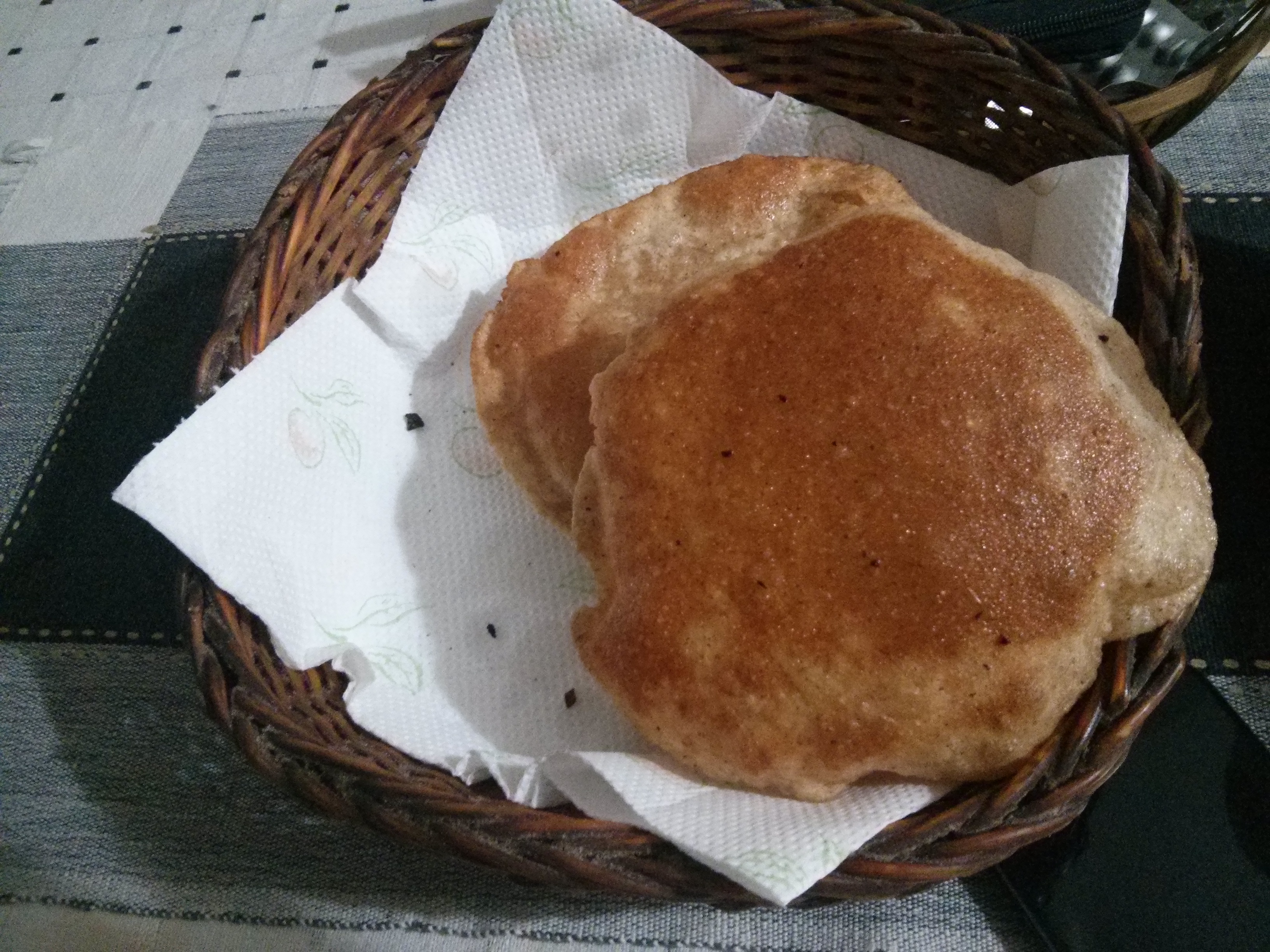
Save

Tori ki Sabji

Tori

Tori ki Sabji

Main Name: Zucchini
Biological Name: Cucurbita pepo
Hindi Name: Tori, Turai
Names in other Indian languages: Peerkan kai (Tamil), Oru pachakkari (Malayalam), Beera Kaaya (Telugu), Turiya, Ghisoda (Gujarati), Jhinge, Jhinga (Bengali), Dodke, Shira?e (Marathi), Janhhi (Oriya), Turai (Urdu), Tori (Punjabi)

Preparation time: 30 minutes

Cooking time: 45 minutes (slow fire cooking)

Cuisine : Indian, North Indian

Course: Main, Vegetables

Serves: 6

Ingredients:

  • 750 gms Tori/Turai/ Smooth or Sponge Gourd
  • 2 big size tomatoes ,chopped and pureed
  • 2 medium size Onions ,finely chopped
  • 1″ piece Ginger /adrak
  • 1/2 cup cream/ fresh malai
  • 1 level tsp Salt/ or salt to taste
  • 1/2 tsp turmeric powder
  • 1 level tsp chili powder or adjust to taste
  • 2 tsp Coriander / dhania powder
  • 1/4 tsp pepper powder
  • 1 tsp Cumin /geera
  • 2-3 tbsp Olive oil / or Pure ghee

Method:

 Step 1.

 Wash and peel the tories and cut them in small cubes. Keep aside.

Step 2.

Finely chop onions and puree tomatoes and keep aside.

Step 3.

 In a heavy bottom pan heat the oil, add cumin seeds, when cumin starts to splutter, add finely chopped onions in it.

Step 4.

Fry the onions till golden, add salt, chili powder, turmeric powder, coriander powder in it. Fry these spices for a minute.

 Step 5.

 Then add tori in it. Cover and cook till tori is soft, add tomato puree, grated ginger .

Step 6.

When tori, tomatoes are cooked and well blended (and 75% of water is evaporated) add malai / cream mix well, cook for couple of minutes more.

 Step 7.

Switch off the heat. Sprinkle it with pepper before serving. Serve hot.

Smooth or Sponge gourd:Tori crop

Health Benefits of Zucchini/Smooth or Sponge gourd:
  • Incredibly low in calories, zucchini makes a great way of filling your stomach without worrying about the calories being carried along with it. With just a couple of calories, you can include zucchini in your diet plan.
  • Regular consumption of cheesy, doughy foods with high sodium levels or other processed foods can leave your body yearning for water. With a high water concentration, vegetables like zucchini contribute to hydration, thereby fulfilling the body’s water requirement.
  • Vitamin C is a powerful antioxidant which is required by the body to prevent health conditions, like scurvy and other illnesses, including heart conditions and certain types of cancers. Zucchini is a great source of vitamin C that helps in overcoming the deficiency of this vitamin.
  • Zucchini contains dietary fiber which lowers cholesterol by attaching itself to bile acids which are produced by the liver from the cholesterol. Since the fiber binds so well to the bile acid to instantly digest fat, the liver is induced to generate more bile acid.
  • The high levels of vitamins A and C present in zucchini keep the cholesterol from oxidizing in the body’s blood vessels, thereby delaying the onset of atherosclerosis.
  • Dietary fiber is known for promoting healthy and regular bowel movements, which help in preventing carcinogen toxins from settling in the colon. Zucchini has dietary fiber present in high amounts which avoids the risk of different kinds of cancers.
  • Studies indicate that zucchini contains phytonutrients which assist in reducing the symptoms of benign prostatic hypertrophy (BOH), a condition where the prostate gland enlarges, resulting in complications with urination and sexual functions in men.
  • With the presence of magnesium in considerate amounts, zucchini helps in lowering the risk of heart attack and strokes to a great extent. Besides, it also contains folate which is necessary for breaking down the amino acid homocysteine, which when increased, can lead to heart attack and stroke.
  • Zucchini is ideal for people suffering from asthma and other respiratory allergies as it increases one’s immunity due to the high vitamin C content. Furthermore, it also helps in controlling the symptoms of any autoimmune disorders which can lead to internal inflammation of organs.

Ref.http://recipeclout.india-server.com/zucchini.html

Nick’s kitchen medical Disclaimer:

  • Nick’s kitchen is for Vegetarians. It sometimes provides education and support to individuals who want to become vegetarian, or move toward a more vegetarian diet.
  • Nick’s kitchen provides some information on vegetarian and vegan diets to the best of their knowledge and abilities.
  • Nick’s kitchen does not claim to be health care professional, nutritionist, nor does it claims to treat any illness through vegan or vegetarian diet.
  • If you have a medical condition,Nick’s kitchen recommend that you consult your health care professionals before changing your diet.
  • Any changes that you make to your diet, and the results of those changes, are your decision and your responsibility.

Palak Paneer/ Spinach with Cottage cheese

Palak paneer

Palak Paneer/ Spinach with Cottage chees

Hi friends! with nutritious spinach and cottage cheese, here is a yummy recipe for your party menu!

Preparation time: 20-25 minutes

Cooking time: 20-25 minutes

Servings : 4-6

Ingredients:

  • 200 gms paneer (fresh cottage cheese)
  • 750 gms spinach finely chopped
  • 3 onions (finely chopped)
  • 15 cloves garlic, finely chopped
  • 2 green chillies (can be added more as per your taste)
  • 2 tablespoon cream (alternate: fresh malai)
  • 1/2 teaspoon cumin
  • 2 tsp lemon juice
  • 2 tablespoon pure ghee or olive oil
  • 2/3 tsp level / or Salt to taste

Method:

 Step 1.

 Wash, remove the stems and cut spinach, pressure cook spinach with quarter cup water.The moment pressure is formed, switch off the stove. keep aside to cool.

Step 2.

 When cool, refresh in chilled water, blend spinach in a blender with the green chilies in, to a puree.

Step 3.

Cut the paneer into big cubes, take a nonstick pan and fry the paneer pieces lightly and keep aside.

Step 4.

Heat ghee or oil in a kadhai / wok or heavy bottom pan ,add cumin seeds. Add onion sauté until light golden brown, add garlic and sauté for half a minute. Add spinach puree, salt and when the curry comes to a boil, add the fried cubes of paneer/ cottage cheese and mix well. Cook for 3-5 minutes on low flame stirring frequently.

Step 5.

Stir in lemon juice. Finally add fresh cream.

Step 6.

 Cook for about five minutes on low flame. Serve hot with Chapaties/ lachcha parantha or any other Indian bread of choice!

Note: To get best results, do not overcook spinach, overcooking will change the bright green colour of the spinach and also the taste.

Paneer:

Paneer is a type of cheese. It is the Indian name for cottage cheese. Paneer, unlike other cheeses, has not been matured and it is rather bland. Paneer is a fresh and delicate cottage cheese made from whole milk in India. Paneer is rich in nutrients. It is a high protein food; it is often substituted for meat in many vegetarian entrees of Indian cuisine. It is commonly used in curried dishes. Paneer is quite easy to make at home. Bring 1 litres of fresh toned milk to the boil. Add one table spoon of vinegar or lemon juice or 5-6 table spoons of curd and stir well. The milk starts curdling, pore it in a clean muslin cloth, kept in a strainer. Leave it in the strainer and let it drain well. To form a thick rolled, formed dough like shape, place it under a heavy saucepan full of water or any other heavy object, for approx. 30 minutes. While making paneer from milk, retain the paneer water. This nutritious water can be used for making soft dough for chapattis or any other Indian breads, can be used to cook dals.

 Health benefits of Spinach / Palak:

Spinach is an excellent food loaded with tons of nutrients and a low calorie package. Greens like spinach are important for skin and hair, bone health, and provide protein, iron, vitamins and minerals.

As per studies the possible health benefits of consuming spinach include improving blood glucose control in diabetics, lowering the risk of cancer, lowering blood pressure, improving bone health, lowering the risk of developing asthma and more.

Ref. http://www.medicalnewstoday.com/articles/270609.php

 Nick’s kitchen medical Disclaimer:

  • Nick’s kitchen is for Vegetarians. It sometimes provides education and support to individuals who want to become vegetarian, or move toward a more vegetarian diet.
  • Nick’s kitchen provides some information on vegetarian and vegan diets to the best of their knowledge and abilities.
  • Nick’s kitchen does not claim to be health care professional, nutritionist, nor does it claims to treat any illness through vegan or vegetarian diet.
  • If you have a medical condition,Nick’s kitchen recommend that you consult your health care professionals before changing your diet.
  • Any changes that you make to your diet, and the results of those changes, are your decision and your responsibility.


Black Chickpea Sundal

Black gram Sundal

Kala Chana / Bengal gram/ Black chickpea Sundal

Hi friends! Make a variety of sundal for breakfast / meals or snacks. It is very easy to prepare and an good for health snack. It is a perfect guilt free snack which can be served as a snack or as a side dish with main meals or breakfast.


Serving 6-8

Ingredients:

  • 1 cup Black Chickpeas/Kala Chana
  • 1/4 cup grated fresh Coconut
  • 2 medium size onions, finely chopped (optional)
  • 2 medium size tomatoes, finely chopped (optional)
  • 2 lemon’s juice
  • 2/3 tsp level salt/ or salt to taste

For tempering:

  • a pinch of Hing/ asafetida
  • 1/2 tsp Mustard seeds
  • 1 tsp Urad dal/ husked black gram dal
  • 1-2 Red chilies, broken and seeds removed
  • 1 small sprig of fresh Curry leaves
  • 1 tbsp Olive Oil

Method:

Step 1.

Soak Kala Chana overnight or for 8-9 hrs and pressure cook (after the pressure is formed for twenty minutes on slow heat) with salt until soft. The Chana should be soft and firm to touch.

Step 2.

Strain the chanas and keep aside.(we can use this drained water to make healthy soup or rice pulao).

Step 3.

For tempering, heat oil in a kadahi/ wok add mustard seeds, wait till mustard starts crackling add hing and curry leaves , urad dal and red chillies and let them fry a bit.

Step 4.

Add grated coconut fry it for another minute. Add the cooked kala chana and mix well switch off the stove.

Step 5.

Add lemon juice and mix well.

Step 6.

Serve Sundal hot, warm or cold as a snack . If serving with meals garnished with finely chopped onions and tomatoes.

Health Benefits of Kala Chana / Bengal gram/ Black chickpea:

  1. Aids in Weight Loss:

Inclusion of fiber-rich foods in your diet can greatly contribute to weight loss. Black chickpeas are rich in both soluble and insoluble fiber.

  1. Cardiovascular Benefits:

Black chickpeas contain a unique combination of antioxidants, anthocyanins, delphindin, cyanidin and petunidin as well as phytonutrients and ALA that maintain the health of blood vessels and prevent oxidative stress, thereby reducing the risk of heart disease. Black chickpeas contain considerable amounts of folate and magnesium. Folate lowers the homocysteine levels thus minimizing the risk of narrowing of arteries by plaque formation, blood clots, heart attacks and strokes.

  1. Lowers Cholesterol:

The soluble fiber in black chickpeas binds the bile acids and prevents them from being absorbed by the body, thus reducing cholesterol levels. Daily consumption of around ¾ cup of chickpeas helps to decrease LDL cholesterol and total cholesterol triglycerides. Moreover, the dietary fiber of black chick peas is superior to that found in other foods.

  1. Stabilizes Blood Sugar and Low Glycemic Index (GI):

The soluble fiber in black chickpeas controls the absorption and release of blood sugar. Moreover, chickpeas have low glycemic index of 28 to 32 which means that the carbohydrate in them is broken down and digested slowly. This aids in weight loss by controlling appetite. The low GI causes blood sugar to rise moderately and slowly leading to lower blood sugar levels. Consuming ½ a cup of black chickpeas a day is effective in controlling blood sugar in just a week.

  1. Prevention of Diabetes:

As already stated, the carbohydrates in legumes such as black chickpeas are digested slowly, thus reducing the blood sugar levels. This contributes to insulin resistance, thereby reducing the risk of getting type-2 diabetes.

  1. Great Source of Iron:

Being a rich source of iron, black chickpeas can prevent anemia and boost your energy levels. This is particularly beneficial for pregnant or lactating women as well as growing children. Iron plays an important role in the formation of hemoglobin by transporting oxygen from the lungs to all body cells and is an important component of enzyme systems for energy production and metabolism.

  1. Good Source of Protein for Vegetarians:

Black chickpeas are an alternative source of protein for vegetarians as these legumes in combination with whole grain or whole wheat protein, provide significant amounts of protein which are comparable to that of meat and dairy as well as devoid of high calories or saturated fats.


Ref. http://www.stylecraze.com/articles/benefits-of-black-chickpeas-for-skin-hair-and-health/#gref

Nick’s kitchen medical Disclaimer:

  • Nick’s kitchen is for Vegetarians. It sometimes provides education and support to individuals who want to become vegetarian, or move toward a more vegetarian diet.
  • Nick’s kitchen provides some information on vegetarian and vegan diets to the best of their knowledge and abilities.
  • Nick’s kitchen does not claim to be health care professional, nutritionist, nor does it claims to treat any illness through vegan or vegetarian diet.
  • If you have a medical condition,Nick’s kitchen recommend that you consult your health care professionals before changing your diet.
  • Any changes that you make to your diet, and the results of those changes, are your decision and your responsibility.


Save

Spicy Masoor Dal


Spicy Masoor dal

Spicy Masoor Dal

Hi friends! It is a delicious lentil made with tomato and spices. Masoor dal can be cooked in the combination of various other vegetables such as beans, cauliflower, green peas, etc. also.

Preparation time: 10 mins.
Cooking time: 10 mins.
Serves 6
Ingredients:

  • 1/2 cup masoor /whole red lentil, husked masoor whole
  • 2 medium size onions, finely chopped
  • 2 medium sized tomatoes, finely chopped
  • 1 1/2″ piece ginger , finely grated
  • 1/4 tsp asafetida
  • 1 tsp coriander powder
  • 1/4 tsp garam masala
  • 1 level tsp salt / or salt to taste
  • 1 tbsp olive oil
  • 1 1/2 tbsp pure ghee
  • 1 tbsp coriander /dhania/Cilantro, finely chopped for garnishing

For Tempering:

  • 12 cloves garlic, finely chopped
  • 1 medium size onion, finely sliced

Method:

Step 1.

Wash the masoor dal very well, soak in 500 ml water for fifteen minutes.

Step 2.

In a pressure cooker, take Olive oil heat add cumin . When cumin starts to crackle, add asafetida fry for a few seconds, till it is light pink in colour. Add the chopped onions, add the tomatoes, fry for 3-4 minutes.

Step 3.

Add coriander, turmeric, chili powder, fry for few seconds, add soaked dal with water, salt and close the lid, cook on high flame, after the pressure is formed, reduce heat to low flame, cook for one minute only. Cool the pressure cooker to room temperature.

Step 4.

Open the lid of pressure cooker, take out the dal in a medium size bowl. Heat the ghee in a pan add the sliced onions sauté for 4-5 minutes, till light golden.

Step 5.

Add the finely chopped garlic, fry for 3 to 4 minutes, add gram masala, fry for few seconds.

Step 6.

Put the above tempering in to the dal . Serve hot, garnished with chopped coriander. It is very delicious spicy dish. Serve with all Indian breads or boiled rice.

Health benefits of Masoor dal:

Packed with protein, fiber, iron, folate, and other important nutrients, lentils are the storehouse of nutrition offering you numerous health promoting benefits and longevity as well.Masoor dal is an ideal food addition to your weight loss diet because it is low in fat and contains high amounts of fiber. Eating fiber rich foods controls your appetite by giving you the feeling of fullness which lasts for a long period of time. Masoor dal helps in loseing weight, protects the heart, and is good for diabetics.

Red lentils improve digestive health, reduce cancer risk,boost your immune power,reduce inflammation,and are healthy for eyes.Red lentils boost energy,and is good for strong bones and teeth.

Ref. http://www.valuefood.info/food/natural-food/nutrition-health-benefits-pulses-cereals/benefits-of-red-lentils-masoor-dal/

Nick’s kitchen medical Disclaimer:

  • Nick’s kitchen is for Vegetarians. It sometimes provides education and support to individuals who want to become vegetarian, or move toward a more vegetarian diet.
  • Nick’s kitchen provides some information on vegetarian and vegan diets to the best of their knowledge and abilities.
  • Nick’s kitchen does not claim to be health care professional, nutritionist, nor does it claims to treat any illness through vegan or vegetarian diet.
  • If you have a medical condition,Nick’s kitchen recommend that you consult your health care professionals before changing your diet.
  • Any changes that you make to your diet, and the results of those changes, are your decision and your responsibility.


Turmeric/Haldi

turmeric-and-powderTurmeric or Haldi

The plant

Turmeric comes from the root of the Curcuma longa plant. The name derives from the Latin terra merita “meritorious earth” referring to the colour of ground turmeric which resembles a mineral pigment. In many languages turmeric is simply named as “yellow root”.Turmeric is a rhizome with bright yellow-orange colour inside and a little thick brown skin. It has a warm and bitter flavor with a mild fragrance.Turmeric is aromatic, stimulant and tonic popularly known as haldi in India, is native to Southern Asia and India. It it is commonly  used in Indian cooking, best known for its use in many masala (curry). It is usually available in powder form but the root is also available from Asian and Indian grocery shops.

Uses of Turmeric

It was sometimes called “Indian saffron” because of its deep yellow-orange color and has been used as a condiment, cosmetic, healing remedy and textile dye. Turmeric is a powerful anti-inflammatory in the Chinese and Indian systems of medicine.

Turmeric’s use in the kitchen

Turmeric is very strong spice,therefore a small quantity of it is generally sufficient. However, it can be used in many different ways.In Indian cooking, in most of Indian recipes turmeric is used.It is sprinkled lightly while cooking on most of the vegetable like potatoes, green beans, cauliflower, brinjals , peas, pumpkin and onions etc.It makes all recipe with lentils delicious.It can be used as salad dressings by adding a pinch of turmeric powder to them.It is used to flavour and colour butter, cheese, margarine, mustard, liquor, fruit drinks, cakes, jellies, and fruit dishes.Turmeric is a classic addition to chutneys,and pickles. It is blended with melted butter and drizzle over cooked vegetables, pasta, or potatoes. To make yellow rice add a pinch of turmeric to the water as the rice cooks.

Spiritual Significance

It is used in various rituals in Hindu homes, and as a dye for holy robes as it is natural and available in abundance.People use, a rich red powder used in temples around the world, called Kunkum, is made from turmeric and lime. It is used by men and women, after puja, as small a dot of kunkum worn on the forehead between the eyebrows, or in the middle of the forehead.

 It is used in almost every curry dish to add color and flavor.An important spice in most of the Indian households the turmeric or haldi is one ingredient in the kitchen that holds a remedy for almost all illness. It corrects disordered process of nutrition and restores the normal function of the system. It is a carminative, antiseptic, a great anti-flatulent , blood purifier and expectorant.According to the Journal of the American Chemical Society, turmeric is packed with nutrients like proteins, dietary fiber, niacin, vitamin C, vitamin E, vitamin K, sodium, potassium, calcium, copper, iron, magnesium and zinc. All these essential components put together make turmeric a great antioxidant, antiviral, antibacterial, anti fungal, anti carcinogenic, antimutagenic and anti-inflammatory agent.

Turmeric / Haldi

Controls diabetes 

Turmeric/ haldi must be included  into dibetics diet. The curcumin present in turmeric has a very potent effect in moderating insulin levels and enhancing the efficacy of anti diabetic drugs. Being an antioxidant, it fights off the ill effects of free radicals and reduces insulin resistance. A study performed by Department of Pediatrics, Louisiana State University Health Sciences Center [9], found that curcumin prevents protein glycosylation (where the protein molecule is altered) and lipid peroxidation (oxidative degradation of lipids), two process that occur commonly in the body when a person has high blood sugar. By controlling these two factors, turmeric increases the person’s sensitivity to insulin lowering his/her total blood sugar.

Prevents Alzheimer’s

According to a paper published in the Annals of the Indian Academy of Neurology [1] (that compiled all the notable studies done with regards to turmeric’s action against Alzheimer’s), it states that turmeric or haldi is capable of preventing and healing Alzheimer’s disease. It states that diferuloylmethan (the main component in turmeric) is the component that  reduces inflammation, stops excessive amyloid plaque formation around neurons and prevents their degradation, eventually preventing and reducing the severity of the disease.

Prevents cancer

Haldi is known to have chemo-protective properties and can protect you from a number of cancers like colon cancer, cancer of the prostate, T-cell leukaemia, radiation induced tumours and breast cancers. A study published in the Journal of Cancer Research[6] found that the compounds present in turmeric were capable of preventing the progression of both invasive and non invasive colon cancers by destroying cancer cells. It also found that the anti oxidative properties of haldi protects the body from damage due to oxidative stress and radiation, thereby reducing your chances or suffering from tumours caused due to radiation.

Relieves arthritis

Turmeric has anti inflammatory and anti oxidative properties therefore it is a perfect home remedy for arthritis. A number of studies performed previously have also established that haldi has amazing immune-protective benefits. Because of its combined actions on the body, haldi has been used as an effective agent in treating rheumatoid arthritis (RA). Studies conducted by Arizona Center for Phytomedicine Research[7] and at the Institute of Chemical Biology,[8], found that the compounds present in turmeric were responsible for reducing the inflammation associated with arthritis and RA. The study also found that continuous consumption of the root helps to reduce the pain and inflammation associated with the conditions.

Prevents liver disease

Turmeric is great for the liver. It protects it from the damage caused by eating foods that contain high amounts of fat and excessive alcohol consumption. A study published in the Journal of Nutrition [2], found that the anti oxidative, anti carcinogenic and hypocholesterolemic action (an action that lowers the amount of cholesterol in the blood) of turmeric – mitigated by the content of curcuminoids in it – helps lower the potentially damaging effects of excessive cholesterol on the liver. Since turmeric alters the way body metabolizes fatty acids, this action helps in keeping the liver healthy, and is vital to protecting the liver from diseases such as non alcoholic fatty liver disease and damage caused due to excessive accumulation of fats in and around the liver. In another study published in the American Journal of Physiology[3], it was found that the root had the potential to prevent alcohol-induced liver disease. The study found that the compounds in turmeric helped in blocking a particular gene that was linked to inflammation and necrosis of the liver due to excessive alcohol consumption. Haldi  was found to protects the liver from both biochemical and pathological damage caused due an unhealthy lifestyle.

Lowers cholesterol

Having turmeric on a daily basis can keep your cholesterol levels in check.  A study published in the Journal of Nutritional Biochemistry [9] found that regularly consuming haldi changed the way the body processed cholesterol. This change lowers the total LDL or ‘bad’ cholesterol and increased the amount of HDL or ‘good’ cholesterol in the body.

Relieves gas, diarrhea and morning sickness

The juice or dry powder of its rhizome, mixed in buttermilk or plain water is beneficial in intestinal problems, especially chronic diarrhea. It also helps prevent flatulence. Fresh juice from the rhizomes, a paste prepared from it, or a decoction made from the plant has been found beneficial in the treatment of vomiting during pregnancy and afflictions of the liver. Turmeric has been found to inhibit bacterial growth and works as a powerful cleaning agent within the digestive system.’

Nick’s kitchen medical Disclaimer:

  • Nick’s kitchen is for Vegetarians. It sometimes provides education and support to individuals who want to become vegetarian, or move toward a more vegetarian diet.
  • Nick’s kitchen provides some information on vegetarian and vegan diets to the best of their knowledge and abilities.
  • Nick’s kitchen does not claim to be health care professional, nutritionist, nor does it claims to treat any illness through vegan or vegetarian diet.
  • If you have a medical condition,Nick’s kitchen recommend that you consult your health care professionals before changing your diet.
  • Any changes that you make to your diet, and the results of those changes, are your decision and your responsibility.


Curry leaves

Curry patta      Image result for Curry leaves

Curry tree Plant

The curry tree is a tropical to sub-tropical tree in the family Rutaceae, which is native to India and Sri Lanka. Its leaves are used in many dishes in India and neighbouring countries.

Scientific name: Murraya koenigii
Higher classification: Murraya
Rank: Species

Curry leaves are natural flavoring agents with a number of important health benefits, which makes your food both healthy and tasty along with pleasing aroma. They contain various antioxidant properties and have the ability to control diarrhea, gastrointestinal problems such as indigestion, excessive acid secretion, peptic ulcers, dysentery, diabetes and an unhealthy cholesterol balance. They are also believed to have cancer fighting properties and are known to help protect the liver.

Scientific Information: The scientific name of the curry plant is Murraya Koenigii Spreng and it belongs to the Rutaceae family. The plant is native to India and is usually found in tropical and subtropical regions. It is cultivated in various other countries such as China, Australia, Nigeria and Ceylon. Height of the plant ranges from small to medium. The most useful parts of this plant are the leaves, root and the bark.

In Ayurvedic medicine, curry leaves are believed to have several medicinal properties such as anti-diabetic, antioxidant, antimicrobial, anti-inflammatory, anti-carcinogenic and hepato-protective (capability to protect liver from damage) properties. The roots are used for treating body aches and the bark is used for snake bite relief.

The leaves, with their vast herbal properties, are used in various local cuisines across India and other parts of Asia as flavoring agents. Curry leaves resemble ‘neem’ or Indian lilac and their name in most Indian languages translates to ‘sweet neem’.

Nutritional Value of Curry Leaves

The main nutrients found in curry leaves are carbohydrates, energy, fiber, calcium, phosphorous, iron, magnesium, copper and minerals.  It also contains various vitamins like  nicotinic acid and vitamin C, vitamin A, vitamin B, vitamin E, antioxidants, plant sterols, amino acids, glycosides and flavonoids. Also, nearly zero fat (0.1 g per 100 g) is found in curry leaves.

Some of the other chemical constituents present in curry leaves include carbazole alkaloids. Research studies held by the Department of Home Economics at Kenmei Women’s Junior College in Hyogo, Japan showed that alkaloids found in curry leaves possess antioxidant properties. Carbazole alkaloids include mahanimbine, murrayanol, mahanineoenimbine, O-methylmurrayamine A, O-methylmahanine, isomahanine, bismahanine and bispyrayafoline. . Further studies conducted at the Department of Horticulture at Michigan State University suggested that these chemicals had insecticidal and antimicrobial properties as well, specifically mosquitocidal properties.

Health Benefits of Curry Leaves

Most people think that curry leaves just add flavor to the food and they throw the leaves away while eating eating their soup or curry. However, curry leaves are far more important than many people realize, and they offer a number of health benefits without the side effects of other medicines.

Stops Diarrhea: Research studies conducted by Ashish Pagariya and  Maithili, V. concluded that the carbazole alkaloids present in curry leaves or Murraya Koenigii had anti-diarrheal properties. Experiments on lab rats showed that carbazole extracts from curry leaves had significantly controlled castor oil-induced diarrhea. A bunch of curry leaves can be ground up and the paste can be eaten or the juice of the leaves can be consumed.

Gastrointestinal Protection: Use of curry leaves is recommended as a cure for gastrointestinal issues in Ayurvedic methodology. One important is due to the fact that they are considered to possess mild laxative properties. Make juice out of a bunch of curry leaves and add lime juice. This mixture is to be consumed for indigestion or a paste made from the leaves can be added to buttermilk and taken every morning on an empty stomach.

Antioxidant Properties: Research studies conducted by Mylarappa B. Ningappa et al. at Jawaharlal Nehru Center for Advanced Scientific Research, Molecular Parasitology and Protein Engineering Laboratory in Bengaluru, India have indicated that curry leaves or Murraya Koenigii is a good source of antioxidants.  The presence of various vitamins like vitamin A, B, C and E help in reducing oxidative stress and free radical scavenging activity. Curry leaves can be added to your curries, vegetable stews and soups. They are also available in dried powder form.

Anti-Diabetic Properties: Perhaps one of the biggest health benefits of curry leaves is its use in diabetes control. Research conducted by the Department of Biochemistry and Molecular Biology at University of Madras, Chennai had shown that the anti-hyperglycemic properties of curry leaves were beneficial in controlling blood glucose levels in diabetic rats.

Fights Cancer: The chemical constituents found in curry leaves such as phenols are helpful in fighting cancers such as leukemia, prostate cancer and colorectal cancers. Research on curry leaves at the Department of Medical Chemistry at Mejio University, Japan showed evidence of cancer fighting properties in the carbazole alkaloids extract from curry leaves.

Lowers Cholesterol Levels:  Curry leaves are also known to reduce bad LDL cholesterol level. Studies conducted at the Department of Biochemistry at the University of Kerala, India have shown that curry leaves have the potential to reduce LDL cholesterol levels.

Good for Hair Growth: Curry leaves are believed to help in strengthening hair roots. Dry curry leaf powder mixed in oil can be applied to your hair with a quick massage. The paste from curry leaves can also be applied in cases of gray hair. Doing these on a regular basis can improve hair growth as well.

Eyesight: Curry leaves contain high amounts of vitamin A and are therefore good for eyesight. Vitamin A contains carotenoids which protect the cornea, which is the eye surface. Deficiency of vitamin A may cause night blindness, cloud formations in front of the eye and even the loss of vision loss in some cases.

Radio-Protective and Chemo-Protective: Studies on the extracts of curry leaves have shown positive results in reducing the effects of chemotherapy and radiotherapy, while also offering protection against chromosomal damage, protection of bone marrow and prevention of free radicals becoming active in the body.

Protects Against Pathogen Attack: Research on curry leaves has revealed that they are also effective in fighting bacterial and fungal infections. The leaf extracts from the plant have been comparable to popular, mainstream antibiotic drugs.

Protects the Liver:  Your liver plays a major role in the digestive system and it needs to be protected from any attack by free radicals, as well as viral and bacterial attacks that can result in infection. Research on curry leaves has indicated that the tannins and carbazole alkaloids present in curry leaves exhibited good hepato-protective properties. They are also helpful in protecting the liver from various diseases such as hepatitis and cirrhosis.

Skin care: Curry leaves are also helpful in skin care. The juice or paste of the leaves can be applied on burns, cuts, bruises, skin irritations and insect bites for quick recovery and clean healing.

Ref. https://www.organicfacts.net/health-benefits/herbs-and-spices/health-benefits-of-curry-leaves.html

Nick’s kitchen medical Disclaimer:

  • Nick’s kitchen is for Vegetarians. It sometimes provides education and support to individuals who want to become vegetarian, or move toward a more vegetarian diet.
  • Nick’s kitchen provides some information on vegetarian and vegan diets to the best of their knowledge and abilities.
  • Nick’s kitchen does not claim to be health care professional, nutritionist, nor does it claims to treat any illness through vegan or vegetarian diet.
  • If you have a medical condition,Nick’s kitchen recommend that you consult your health care professionals before changing your diet.
  • Any changes that you make to your diet, and the results of those changes, are your decision and your responsibility.

Tomato Soup

Tomato soup G

Hi friends ! Whether you refer to a tomato as a fruit or a vegetable, there is no doubt that a tomato is a nutrient-dense, super-food that most people should be eating more of.The tomato has been referred to as a “functional food,” a food that goes beyond providing just basic nutrition, additionally preventing chronic disease and delivering other health benefits, due to beneficial phytochemicals such as lycopene. Here is a simple yet delicious recipe of tomato soup.

Servings: 4

Preparation time: 10 minutes

Cooking time: 10-15 minutes

Ingredients: 

    • 8  medium size tomatoes- chopped (into four quarters each)
    • 1 medium size onion ,finely chopped /or 1 cup chopped onion
    • 2 carrots, finely chopped / or grated
    • 4 cloves of garlic , finely chopped
    • 1/2 ” piece ginger ,finely grated
    • 1/4 tsp black pepper powder
    • 1 tsp sugar
    • 2 tsp salt or /to taste
    • 4 cups of water

To garnish:

    • 2 tsp fresh cream for garnishing

Method: 

Step 1.

In the pressure cooker take halved tomatoes, carrot ,onions, garlic, ginger with 4 cups of water close the lid and place the cooker on high flame.The moment full pressure is formed switch off the stove.

Step 2.

Let the pressure cooker cooled down to room temperature,open the lid and strain the the tomatoes and vegetables with a strainer.Keep the strained soup in a mixing bowl aside.

Step 3.

Remove the tomato skins with a fork from the strained vegetables and blend all the vegetables in a blender.

Step 4.

Put the blended vegetable mix through soup strainer in to the strained soup, mix well.

Step 5.

Bring to a boil again, and then simmer. Add salt, sugar and black pepper. Simmer for another 5 minutes.

Step 6.

Pour the soup in bowls, and garnish with the cream. Serve the croutons on the side.

Health benefits of Tomatoes:

Recent developments on the health benefits of tomatoes from MNT news

A tomato-rich diet may reduce breast cancer risk, study shows.

Risk of breast cancer for postmenopausal women may reduce with a tomato-rich diet, after a study showed the diet increased levels of adiponectin – a fat and blood sugar regulator.

Soy And Tomato Combination May Help Prevent Prostate Cancer.

Men who consume plenty of soy and tomato combinations probably have a much lower risk of developing prostate cancer compared to those who don’t.

Tomato extract ‘improves blood vessel function’ in CVD patients

Results of a study published in the journal PLOS One, revealed that CVD patients who received lycopene supplementation showed improved blood vessel response to acetylcholine, compared with healthy volunteers, which indicated normalized endothelial function.

Ref.http://www.medicalnewstoday.com/articles/273031.php

Nick’s kitchen medical Disclaimer:

  • Nick’s kitchen is for Vegetarians. It sometimes provides education and support to individuals who want to become vegetarian, or move toward a more vegetarian diet.
  • Nick’s kitchen provides some information on vegetarian and vegan diets to the best of their knowledge and abilities.
  • Nick’s kitchen does not claim to be health care professional, nutritionist, nor does it claims to treat any illness through vegan or vegetarian diet.
  • If you have a medical condition,Nick’s kitchen recommend that you consult your health care professionals before changing your diet.
  • Any changes that you make to your diet, and the results of those changes, are your decision and your responsibility.


Moong Pakori Raita

Bundi raita     moong dal pakori   Moong Pakori Raita

Hi friends! Here is a simple,delicious and very healthy recipe of an Indian side dish of yogurt/curd/Dahi containing fried lentil balls and spices.

Serving: 6

Dal soaking time: 3-4 hours

Cooking time: 30 minutes

Ingredients:      

 For Pakori

  •  1 cup soaked overnight ( or for  at least 3-4 hours) dhuli moong daal (husked green gram)
  • 1  tsp red chili powder / or add more to taste
  • 1/2 tsp cumin seeds/ geera
  • 1 level tsp salt or/ salt to taste
  • 1 tsp adrak (ginger) finely grated
  • Oil for deep-frying

For Raita

  •  1 liter Curd/ yogurt
  • 1 tsp roasted and powdered cumin seeds/ geera
  • 1/2 tsp black pepper powder
  • 1 tsp salt / or salt to taste

Method:

Step 1.

wash and soak moong dal for 3-4 hours. Grind the daal to a smooth consistency with using very little water or no water.

Step 2.
Heat the oil and drop teaspoonfuls into the hot oil and fry the pakoris, fry to a golden color, strain and keep aside on a paper kitchen towel till all the pakoris are fried.

Step 3.

Soak the pakoris in water for ten minutes. Then take out the pakoris from water and gently squeeze out the water and keep aside.

Step 4.

Whisk the curd/ yogurt in a bowl very nicely. Mix salt, roasted geera powder, pepper, add the ready pakoris to the curd. Mix well, refrigerate till served.

Note: Imali /tamrind, khatti meethi chutney, goes very well with this Raita.

Curd Cooking tips:

A bowl of fresh curd and dal pakori (Raitas)is a great accompaniment to lunches and dinners.  Add sour curd to salads which make it taste better.

Sour curd is added to vegetable curries instead of tomatoes to make it rich and delicious.

Health benefits of curd:

Being rich in calcium, curd is good for the health of bones as well as the teeth. For those who have difficulty in the digestion of lactose in milk, yogurt is an important source of calcium. Curd contains an enzyme which breaks down lactose to aid proper digestion.

Curd / Yogurt is rich in vitamin D which helps our body to absorb and use calcium.

Curd / Yogurt helps you feel fuller and is thus, a very good snack for those trying to lose weight.

Eating  curd / yogurt on a regular basis can help absorb the nutrients in other foods as well.

Ref. http://www.thehealthsite.com/fitness/9-reasons-curd-is-great-for-your-health/

Health benefits of moong dal:

Among other moong dal nutrition benefits, this dal is a good source for a variety of vitamins and minerals.  Provides folate (vitamin B9). Moong dal also provides significant amounts of thiamine (vitamin B1), as well as vitamin B5 and vitamin B6. In addition to this, it contains high levels of the minerals iron, magnesium, manganese, phosphorus, and zin.

A great moong dal nutrition benefit is the amount of fiber it has.

Moong beans are packed with protein.

Moong dal can be a great, nutritious addition to a balanced diet. It is a healthy meal that provides high levels of protein and fiber while containing relatively few calories and little fat.

Ref.http://weightloss.answers.com/nutrition/5-nutrition-facts-for-moong-dal

Nick’s kitchen medical Disclaimer:

  • Nick’s kitchen is for Vegetarians. It sometimes provides education and support to individuals who want to become vegetarian, or move toward a more vegetarian diet.
  • Nick’s kitchen provides some information on vegetarian and vegan diets to the best of their knowledge and abilities.
  • Nick’s kitchen does not claim to be health care professional, nutritionist, nor does it claims to treat any illness through vegan or vegetarian diet.
  • If you have a medical condition,Nick’s kitchen recommend that you consult your health care professionals before changing your diet.
  • Any changes that you make to your diet, and the results of those changes, are your decision and your responsibility.


Save

Kadhi


Kadhi 1           boiled rice

Preparation Time: 15 mins
Cooking Time: 30 mins
Serving : for  6

Ingredients:

For Pakoras

  • 1 1/2 cup besan /bengal gram flour
  • 2  medium onion/ 1 cup , finely chopped
  • 1 tablespoon Kasuri methi
  • 1/2 teaspoon carom seeds /ajwain
  • 1 tsp red chili powder
  • 1/2 level teaspoon baking powder
  • 1 level teaspoon salt / or salt to taste
  • oil for deep frying

For Kadhi:

  •  2 cup curd / yogurt
  • 1/2 cup besan /bengal gram flour
  • 1/2 teaspoon turmeric powder /haldi
  • 1 teaspoon red chilli powder
  • 2 teaspoon dry mango powder / amchoor
  • 1/2 tsp cumin/ geera powder ,roasted and powdered
  • 1 tsp salt/or to taste
  • 1 teaspoon ginger paste
  • 12 pods of Garlic
  • 1 cup finely chopped onion
  • 500 ml water

 For Tempering:

  •  2 tablespoon cooking oil
  • 1 teaspoon  fenugreek /methi seeds
  • 1/2 teaspoon cumin seeds/Jeera
  • 1/2 teaspoon mustard seeds

Method:

 For pakoras:

 Step 1.

Add little water gradually to the besan /bengal gram flour in a bowl and make a thick consistency batter. Add Kasuri methi leaves, finely chopped onions,  coriander powder, carom seeds/ ajwain, chili powder, baking powder, and salt to the batter mix well.

Step 2.

Heat oil in a kadai, drop spoon full of batter in the hot oil and deep fry  the pakoras till golden brown. Drain on an absorbent kitchen towel and keep aside.

For kadhi

Step 1,

Whisk or blend in a blender take , curd/ yogurt , besan /bengal gram flour, turmeric powder, chili powder, dry mango powder / amchoor and salt , blend it well, adding some water. Keep aside.

For tempering

Step 1.

Heat 2 tablespoon of oil in a deep heavy bottom pan. Add  cumin seeds when the seeds start crackling add  mustard seeds ,fenugreek seeds (don’t let fenugreek seeds over cook) Stir-fry for ½ minute. Add finely chopped onions, lightly fry the onions till translucent. add ginger garlic paste, Fry for few minutes.

Step 2.

For kadhi, add yogurt mixture to the tempering along with rest of the water and bring to a boil and simmer on low heat for about 15 minutes, stirring occasionally.

Step 3.

Add  fried pakoras and continue to simmer for another 4-5 minutes.

Healthy and delicious dish , serve hot with boiled rice, onion salad and papad.


Health benefits of Gram flour / Besan:

1. Lowers diabetes Besan is known to have very low levels of glycemic in it, which is great for those who have high diabetes. One can use the flour to make parathas and rotis, or replace the wheat flour to make desired dishes too.

2. Happy heart- Besan assures you with a happy heart, since it has high soluble fibre in it, which helps the heart stay strong and healthy for a very long time to come. Even the most reputed heart surgeons and specialists recommend the use of besan over any other flour for the heart, say experts

3. Lose weight now- Since besan has low glycemic index, the calorie count would be low too, which is why fitness freaks and experts swear by the consumption of besan, smoothie of besan is known as SATTU in India.

4. Fights allergies- Besan doesn’t have gluten in it, which is grain and especially wonderful for those who have allergies to gluten induced foods. Besan flour is highly nutritious and helps the body with immense benefits, especially when fighting allergies of any kinds.

5. Gluten free- Those who suffer from celiac ailments cannot have gluten, which is a protein. Gluten is found in barley and wheat extensively, but not in besan. Besan helps the immune system stay strong in the process, and the patient would be able to absorb all the nutrients as well as stay well nourished too.

6. No more anaemia to worry of- The flour of besan helps with fatigue, weight loss and even iron deficiency in the body, and we all know  when someone has low iron content in the body, they suffer from anaemia.

7. Besan is also good for those who suffer from dermatitis herpetiformis, autoimmune disorders, sclerosis, autism, ADHD and more.

8. One can use besan for the skin with a pinch of turmeric powder and milk. The paste can be applied on the visible parts of the face and neck and left for ten minutes to dry. This is a pack which would help exfoliate the skin and brings back the moisturising effects too. Besan flour helps tighten the skin, gives it a glow and brings back elasticity too

9. As a body scrub, the flour of besan has been used time again since our grandmothers young hood days. To remove spots, back acne, body marks and oiliness of the body, try using the flour as a pack with milk and turmeric twice a week. This is a pack which would remove the tan and keep the skin healthy and fresh.

More benefits:

a. Besan flour when mixed with an egg or even with any essential oil and milk, and applied on the hair is a good hair pack. This would be a hair pack which rests on your hair for half an hour and when done twice a week, would bring back the bounce, shine and lustre too

b. Besan flour has plenty of vitamins and folate in it, which is mandatory for our bodies to have. It is these vitamins and minerals which helps with the normalcy of body functioning, and the growth or development of the human body too.

c. Expectant mothers or when a woman plans pregnancy, besan flour can actually be good for consumption, since it has a lot of B6 and thiamine in it. The latter helps with energising the body, and the former helps with the RBC synthesis too.

d. Minerals found in besan would be of great help for the body, especially the presence of phosphorus and magnesium. Both the elements are known for their importance and oxy transmitters and as antioxidants too. They also help with the collagen production and the relaxation of body muscles too.

e. Blood pressure can be regulated when you consume besan flour, say experts.

f. Bone strengthening too can be achieved when you consume besan flour

Ref.http://stylesatlife.com/articles/besan-benefits/#

Nick’s kitchen medical Disclaimer:

  • Nick’s kitchen is for Vegetarians. It sometimes provides education and support to individuals who want to become vegetarian, or move toward a more vegetarian diet.
  • Nick’s kitchen provides some information on vegetarian and vegan diets to the best of their knowledge and abilities.
  • Nick’s kitchen does not claim to be health care professional, nutritionist, nor does it claims to treat any illness through vegan or vegetarian diet.
  • If you have a medical condition,Nick’s kitchen recommend that you consult your health care professionals before changing your diet.
  • Any changes that you make to your diet, and the results of those changes, are your decision and your responsibility.
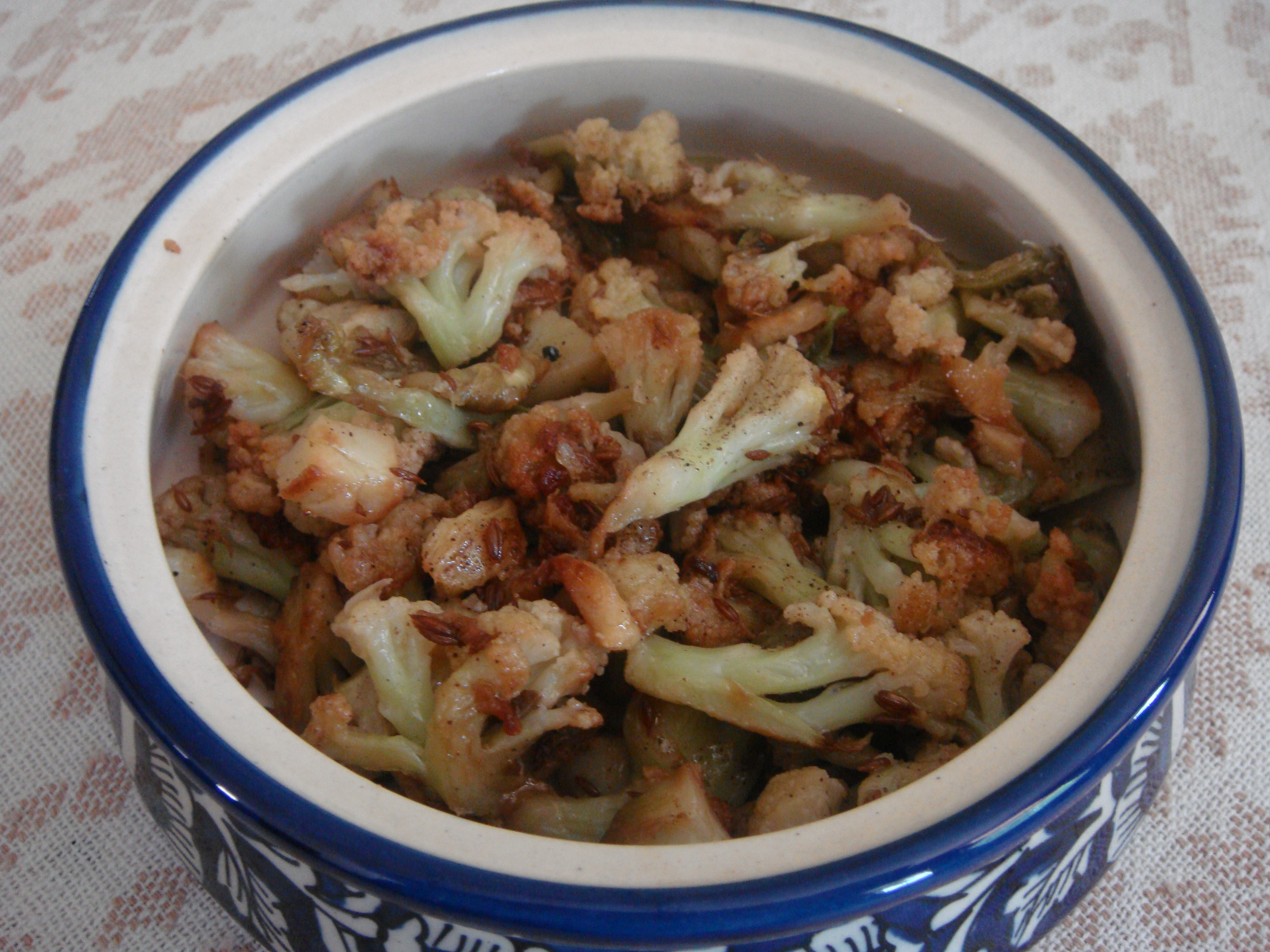
 

Rava Kesari


Rava Kesri 1

ORIGIN: South India

Hi friends!Rava Kesari” is a popular sweet in the south Indian states especially Tamil Nadu and Karnataka. It is easy to prepare and the ingredients are easily available. Rava kesari is made with semolina, it’s North Indian counterpart is sooji ka halwa.

Preparation Time : 5 minutes

Cuisine: South Indian

Cooking Time : 20 minutes.

Serves : 4

Ingredients:

  • 1 cup fine rava/sooji/semolina
  • 3/4th cup sugar
  • 2 cup milk + 1 cup water
  • 6-8 green cardamom, powdered
  • 8 cashew nuts
  • 8-10 raisins
  • 3 pinches of saffron strands, powdered lightly
  •  4-6 tbsp pure ghee  for frying

Method:

Step 1.

Heat one tbsp ghee in a frying pan/ kadai/ wok and fry lightly cashew, Kishmish, cinnamon, cardamom and keep aside. In a mortar-pestle crush the cardamom seeds to a fine powder and keep aside.

Step 2.

In a deep pan heat water-milk mixture, bring it to boil add saffron, mix. Switch off the stove. Keep aside

Step 3.

In a frying pan/ kadai/ wok take four tbsp ghee, on medium flame add suji/ rava/semolina and fry till the lovely aroma of fried rava comes . Reduce the heat to low flame.

Step 4.

Slowly add the boiled milk -water mix to the fried suji/ rava/semolina, stirring continuously. Add dry fruit mix, alongside, add sugar, cardamom powder to it, stir well till it thickens and sets.The suji/ rava/semolina will absorb the water and the mixture will start thickening.

Step 5.

Keep adding a few teaspoons of ghee in the suji/ rava/semolina mix and keep on stirring till the whole mixture starts thickening and starts to leave the sides of the kadai or pan. Switch off the heat.

Step 6.

Serve Rava kesari hot .

NOTE:

*Take all the ingredients in the above mentioned quantity only.

*Do not refrigerate the rava kesari while it is hot, allow it to cool down to room temperature.

*While adding ghee, keep on stirring well otherwise rava kesari prepared will not be uniformly solid.

* You can add sugar equal to the amount of rava for more sweet or 3/4 cup or half of the sugar if less sweet rava kesri is required.

*Adding more or less ghee is individual choice, at the same time don’t forget to roast Rava using ghee.

Health Benefits of Suji/Semolina :
  • Prevents overeating. Semolina is made up of durum wheat which means it keeps you full for a longer period of time and prevents you from overeating. …
  • Boosts energy. …
  • Keeps bones and nervous system healthy. …
  • Improves heart health. …
  • Prevents anemia.

Ref. http://www.thehealthsite.com/fitness/health-benefits-of-semolina-or-suji/

Nick’s kitchen medical Disclaimer:

  • Nick’s kitchen is for Vegetarians. It sometimes provides education and support to individuals who want to become vegetarian, or move toward a more vegetarian diet.
  • Nick’s kitchen provides some information on vegetarian and vegan diets to the best of their knowledge and abilities.
  • Nick’s kitchen does not claim to be health care professional, nutritionist, nor does it claims to treat any illness through vegan or vegetarian diet.
  • If you have a medical condition,Nick’s kitchen recommend that you consult your health care professionals before changing your diet.
  • Any changes that you make to your diet, and the results of those changes, are your decision and your responsibility.

Arbi/Colocasia Curry

DSC01938

Taro vegetable or Arbi/ Colocasia as we better know it, originates from Malaysia and India, where it grows wild in wet or dry places. The taro leaves are heart shaped with white roots that are nutty in flavour. It can cause skin irritation when peeling. Taro is also known as dasheen,  esculenta . It has many healing properties that are useful to get rid of many diseases.

Serving: 4-5

Ingredients :

  • 250 gms Arbi /Colocasia, boiled, peeled
  • 2 medium size onions
  • 1/2 tsp Chilli powder/or to taste
  • 15 cloves of garlic, crushed in to a paste
  • 1 tsp Ginger paste/ 1″ ginger piece grated
  • 1 1/2 tsp Dhania /coriander powder
  • 1/2 tsp jeera /cumin seeds
  • 1 cup curd /yogurt
  • 2 tbsp Besan / Gram flour
  • 3 cups water
  • Oil for deep frying
  • 2 tbsp finely chopped Coriander leaves for garnishing

Method:

Step 1.

Cut boiled and peeled arbi in to big pieces. Keep aside for deep frying.

Step 2.

Heat oil and deep fry arbi pieces till golden. Keep aside.

Step 3.

Finely chop onions and steam, cool and grind into a paste.

Step 4.

Take a deep heavy bottom pan, put 2 tablespoons oil and put the onion paste into it.

Step 5.

Sauté the onion paste for a few minutes, see that it’s color doesn’t change. Add ginger, garlic paste fry for few minutes. Add salt, turmeric, chili powder and coriander powder to the masala and fry for a few minutes more.

Step 6.

Take besan in a small bowl add three table spoons of water , mix well to make a paste add  it to beaten curd  mix well.

Step 7.

Add  this mixture and water  to the fried masala, bring it to a boil.

Step 8.

Simmer over low heat till thickened a bit ,about 10- 15 minutes, stirring fairly frequently. Add the fried arbi pieces, simmer for 5-8 minutes more .

Step 9.

Garnish with the coriander leaves  and serve hot.

Health benefits of Arbi/ Colocasia/Taro :

1. Reduces Fatigue:

Arbi/ Colocasia/Taro is mainly consumed by athletes for long lasting energy. This is because it contains a low glycemic index which is good for athletes.

2. Weight loss:

Arbi/ Colocasia/Taro can prove to be very beneficial for the ones who want to lose weight, since this has very a low caloric content. One cup of cooked taro can give you 187 calories.

3. Digestion:

This root contains a good amount of fiber that is useful for the digestive process. This gives you a feeling of being full for a longer time even after a small meal. Thus, eating taro roots can be useful to lose pounds and maintain your weight, since it has low calories and high fiber.

 4. Clear stomach:

Foods that contains high amount of fiber are also known to boost the digestive process. This helps to eliminate the wastes from the body and prevent re-occurrence.

[ Read: Iodine Benefits ]

5. Heart health:

One cup of taro has 0.1g fat and cholesterol, which helps to prevent hardening of the arteries. You can consume it several times without worrying about gaining weight or other health problems related to fatty foods like heart or kidney diseases. Taro roots can give 19% of the daily required Vitamin E that is required to prevent the risks of a heart attack.

6. Hypertension:

Hypertension or high blood pressure is mostly observed in the mid aged group of individuals which can be kept in control by consuming foods that are low in fat and sodium. One cup of taro gives only 20 mg of sodium that helps to maintain kidney problems and fluid retention.

7. Antioxidant:

Arbi/ Colocasia/Taro is one of the best sources of Vitamin C, since one cup of taro can give 11% of your daily requirement of Vitamin C. This acts as an antioxidant to remove toxins from your body and detoxifies it.

8. Immunity:

Vitamin C in taro is useful in regenerative functions and boosts the immunity of the body.

[ Read: Geranium Oil ]

9. Low Glycaemia Index Food:

Arbi/ Colocasia/Taro has a low glycaemia index. This helps to break down glucose in the liver slowly and aids in weight loss and lowers blood sugar. This is also useful for hypoglycaemia as this provides long lasting energy.

10. Aging process:

This is a very nutritious food that contains many Vitamins – A, C, B, minerals like copper, manganese, zinc, magnesium, calcium, iron, selenium, potassium, beta-carotene and cryptoxanthin. All these are good antioxidants that are useful to protect against diseases and slow down the aging process. This also contains protein and is gluten-free, cholesterol-free and low in sodium too.

11. Cancer:

Arbi/ Colocasia/Taro is very high in Vitamin A that has more than 160% of your daily requirement of Vitamin A. The leaves and roots of taro contain polyphenols which are great antioxidants to protect even from cancer.

12. Muscle health:

Arbi/ Colocasia/Taro contains Vitamin E and magnesium that can protect you from cancer and heart disease. This also helps to maintain your blood pressure and is helpful for fluid regulation. Taro roots contain magnesium which is vital for muscle, bone and nerve health.

[ Read: Iodine Benefits ]

13. Amino Acids and Omega-3 oils:

Taro root has more than 17 different amino acids that are essential to maintain good health. This also has Omega 3 and 6 oils which are required for maintaining cardiovascular health, cancer prevention, and other diseases.

14. Cooking:

Arbi/ Colocasia/Taro and leaves both have great flavours. They can be cooked and impart a nutty flavour, whereas the leaves taste like cabbage. Taro roots are used to prepare curries, fried for chips, cakes, roasted, boiled, steamed, pureed etc.

Ref.http://www.stylecraze.com/articles/benefits-of-taro-vegetable/

Nick’s kitchen medical Disclaimer:

  • Nick’s kitchen is for Vegetarians. It sometimes provides education and support to individuals who want to become vegetarian, or move toward a more vegetarian diet.
  • Nick’s kitchen provides some information on vegetarian and vegan diets to the best of their knowledge and abilities.
  • Nick’s kitchen does not claim to be health care professional, nutritionist, nor does it claims to treat any illness through vegan or vegetarian diet.
  • If you have a medical condition,Nick’s kitchen recommend that you consult your health care professionals before changing your diet.
  • Any changes that you make to your diet, and the results of those changes, are your decision and your responsibility.